Early Signs of Dog Joint Pain & Daily Care Recommendations

Many dog owners easily overlook canine joint health, assuming joint soreness only affects senior dogs. In fact, joint discomfort can occur in puppies, adult dogs and elderly dogs alike. Early joint issues show subtle symptoms. By the time dogs start limping or refusing to move, most conditions have developed into severe arthritis. Detecting early warning signs early and sticking to scientific daily care can effectively slow down joint aging and relieve physical pain in dogs. This article lists all obvious early signs of joint pain, along with practical and easy-to-follow home care methods.
1. Does Joint Pain Only Happen in Senior Dogs?
Joint soreness is common among aging dogs, yet younger dogs are also prone to joint problems. Excessive calcium supplementation, over-exercise and accidental jumps and falls can hurt puppy joints. Long-term stair climbing, frequent running and overweight body weight gradually damage adult dog joints. Slight body stiffness and slow movement are early joint warnings, so joint protection matters for dogs of all ages.
2. Common Mistakes in Daily Dog Joint Care
When noticing stiff movement, many owners feed excessive calcium tablets blindly to repair joints. Some limit all outdoor exercise and keep dogs indoors all day. Others allow dogs to climb stairs and jump from high places freely. A few even give human painkillers randomly to ease discomfort. These wrong habits increase bone pressure, speed up joint wear and bring more hidden health troubles.
3. Health Impacts Caused by Long-Term Joint Damage
Persistent joint pain makes dogs reluctant to walk and reduces daily activity greatly, which further leads to obesity and slow metabolism. Lack of exercise causes muscle atrophy and weakens body mobility. Severe arthritis results in obvious limping and difficulty standing or turning over while sleeping. Without proper care, it may develop into hip dysplasia and degenerative arthritis, disturbing normal daily activities seriously.

4. Easy Home Ways to Relieve Joint Discomfort
Let dogs sleep on thick soft pet beds instead of cold hard floors. Keep their limbs and abdomen warm in cool weather. Gently massage legs, shoulders and hip joints during leisure time. Control daily exercise time, take slow walks mainly and avoid strenuous running to ease joint pressure gently.
5. The Connection Between Joint Issues and Dog Age
Puppy joint discomfort is mainly caused by developmental disorders, over-exercise and accidental injuries. Adult dog joint injuries mostly come from bad living habits, overweight and frequent stair climbing. Dogs over seven years old suffer severe calcium loss and degenerated joint cartilage, becoming the high-risk group of joint pain and arthritis requiring long-term maintenance.

6. Joint Problem Risks Among Different Dog Breeds
Large and giant dog breeds bear heavy body weight, so their joints wear fastest and they are easy to get hip and elbow diseases. Short-legged long-bodied breeds face heavy pressure on lumbar spine and joints and often move stiffly. Small-sized dogs have lighter body loads, and their joint discomfort is mostly caused by cold weather or external injuries. Purebred dogs have higher inborn genetic joint diseases than mixed breeds.
7. How Seasonal Temperature Changes Affect Dog Joints
Cold and humid weather in spring and autumn makes joint pain more serious for vulnerable dogs. Hot and damp summer brings heavy ground moisture, causing soreness after long-time lying down. Low winter temperatures stiffen dog limbs directly, slowing down standing and running movements, making winter the peak season of joint problems.
8. Special Joint Care Tips for Multi-Dog Households
Dogs living together often chase, fight and jump wildly, which easily leads to joint bruises and injuries. Large dogs may accidentally hurt small dogs during playing. Owners need to control their exercise amount separately and avoid excessive group activities. Match targeted joint health supplements according to each dog’s age and body type.
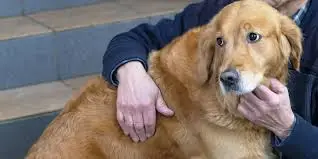
9. Clear Early Signs of Dog Joint Pain & Practical Daily Care Advice
Obvious Early Signs of Joint Pain
- Slow movement after waking up, needing a while to stretch fully before walking normally
- Hesitant to go upstairs and downstairs, preferring flat and gentle roads
- Stopping suddenly while running, unwilling to keep exercising and resting frequently
- Dodging or whimpering softly when owners touch legs and hip joints
- Fixed sleeping posture, slight limp while standing and weak hind leg strength
- Worse stiff movements after cold days and rainy weather
Practical Daily Care Advice
- Keep a reasonable body weight to reduce extra pressure on limb joints
- Reduce harmful behaviors such as frequent stair climbing, high jumping and long-distance intense running
- Feed professional pet joint health supplements regularly to protect cartilage and reduce wear
- Maintain full body warmth, stay away from cold and humid environments and avoid sleeping on cold ground
- Choose gentle and mild exercise modes, take short daily walks and balance rest and activity
- Keep balanced light diet and avoid excessive blind calcium supplementation
- Take dogs to professional pet hospitals for check-ups once obvious limp and pain appear, and follow veterinary guidance for recovery
10. Frequently Asked Questions
Q: Is early joint care necessary for young dogs?
A: Yes, especially for large breeds. Forming good living habits and early joint protection can greatly reduce the risk of arthritis in old age.
Q: Can sunbathing relieve dog joint pain effectively?
A: Proper sun exposure helps calcium absorption and dispels cold, which plays an auxiliary role in joint recovery, but cannot replace professional nursing and nutritional supplements.