Understanding Dog Vaccines: Types, Protection, and Choosing the Right Plan

Vaccination records can contain unfamiliar abbreviations, combination names, and different booster dates. For many owners, it is difficult to understand which vaccines their dog needs and why.
Dog vaccines can be grouped by the diseases they prevent, their importance for a particular dog, and how they are made or administered. Understanding these categories helps owners discuss a suitable plan with their veterinarian, especially before training classes, boarding, or travel.
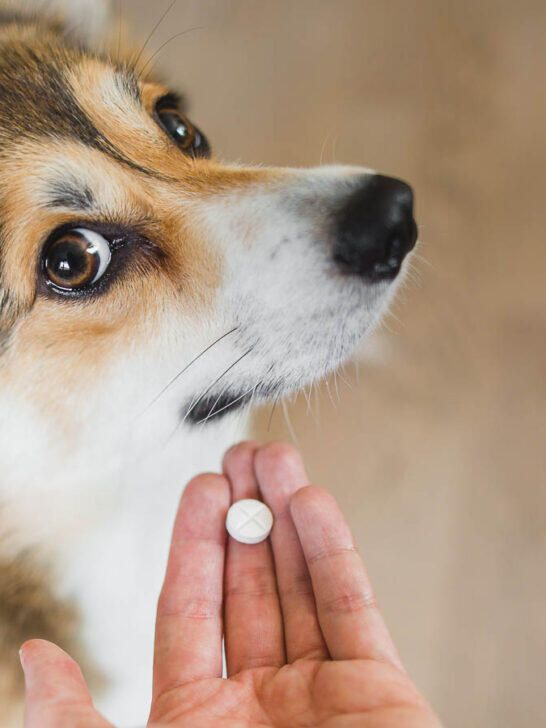
1. Core and Non-Core Vaccines: Understanding the Difference
Core vaccines protect against diseases for which vaccination is recommended broadly. Non-core vaccines are selected according to factors such as location, lifestyle, and exposure.
“Non-core” does not mean unimportant. A vaccine in this category may be strongly recommended for a dog that regularly encounters the relevant disease.
Recommendations also differ between regions and guidelines. A vaccination plan should therefore consider where the dog lives and travels, alongside its health and previous vaccination history.
2. The Main Core Viral Vaccines
Three major canine viral vaccine components protect against:
| Vaccine component | Disease targeted |
|---|---|
| Canine distemper virus, or CDV | Canine distemper |
| Canine adenovirus, usually CAV-2 in vaccines | Infectious canine hepatitis caused by CAV-1; some respiratory protection |
| Canine parvovirus, or CPV | Canine parvovirus disease |
These components are commonly supplied together in a combination vaccine. WSAVA identifies protection against distemper, adenovirus, and parvovirus as core for dogs worldwide.
3. Rabies Vaccines
Rabies vaccination protects against a fatal disease that can affect both animals and people.
WSAVA considers rabies vaccination core in areas where the disease is endemic. Local requirements and the licensed vaccine determine important details, including the minimum vaccination age and revaccination interval.
Travel may involve additional documentation, waiting periods, or testing. Owners planning a trip should discuss the destination’s requirements well in advance rather than assuming a routine vaccination record is sufficient.
4. Leptospirosis Vaccines
Leptospirosis is a bacterial disease that can affect dogs and humans. Its vaccine classification has changed as recommendations have developed.
AAHA’s 2024 update recommends leptospirosis vaccination as core for all dogs within its guidance. WSAVA recommends considering it core where the disease occurs, relevant serogroups are known, and suitable vaccines are available.
The initial course generally requires two doses, followed by regular boosters. Ask your veterinarian which locally available product and schedule are appropriate.
5. Vaccines Selected According to Exposure
Some vaccines become particularly relevant when a dog’s activities increase its exposure.
| Vaccine | Situations that may influence the recommendation |
|---|---|
| Bordetella bronchiseptica | Boarding, daycare, training classes, and other close dog contact |
| Canine parainfluenza | Exposure to dogs with infectious respiratory disease |
| Canine influenza | Local outbreaks, travel, and contact with groups of dogs |
| Lyme disease | Exposure to infected ticks in affected regions |
Training dogs do not automatically need a separate vaccine category. Their requirements depend on actual exposure, including group classes, shared accommodation, outdoor work, and travel.
Respiratory vaccines do not cover every cause of “kennel cough,” so vaccination should accompany sensible infection-control measures.
6. What Combination Vaccine Names Mean
Combination products protect against several diseases in one administration. Names such as DAP, DHP, or DHPP may appear on vaccination records.
Common letters include D for distemper, H for hepatitis, P for parvovirus, and an additional P or Pi for parainfluenza. However, abbreviations and product contents vary.
Labels such as “five-in-one” or “eight-in-one” are not universal standards. Compare the actual disease components and product information rather than assuming a larger number provides a better match for every dog.
7. Vaccine Technology and Administration Routes
Vaccines can also be classified by how they are produced. Common categories include modified-live, inactivated, and recombinant vaccines. These describe the vaccine technology rather than its importance for a particular dog.
Most familiar canine vaccines are injectable, but some Bordetella products are administered orally or into the nose. Products can differ in their initial dose requirements and onset of protection.
The veterinarian should select the appropriate product and follow its licensed administration route. Different formulations should not be treated as interchangeable.
8. Puppy Courses and Adult Boosters
Puppies need a series of vaccinations partly because antibodies received from their mother can interfere with early vaccine responses.
For core viral vaccines, vaccination commonly begins around six to eight weeks, with repeated doses through at least sixteen weeks; higher-risk circumstances may require later doses.
Adult booster intervals vary. Some core viral vaccines are generally repeated at three-year intervals after the initial course and subsequent booster, while other vaccines commonly require annual revaccination. Follow the individual plan rather than giving every vaccine annually.
9. Preparing for Vaccination and Monitoring Afterwards
Before vaccination, tell your veterinarian about current illness, medications, previous reactions, and any upcoming group activities.
Temporary tiredness, reduced appetite, or soreness may occur after vaccination. Contact the clinic if symptoms worsen or do not resolve as expected.
Facial swelling, breathing difficulty, collapse, or repeated vomiting require urgent veterinary attention. A history of a reaction should lead to an individualized discussion about future protection rather than an automatic decision to stop all vaccination.
10. FAQs About Dog Vaccine Categories
Q1: Does a dog that stays mostly indoors still need vaccines?
Yes. Staying indoors does not remove all infection risks. Core protection and individual exposure should still be reviewed.
Q2: Does a combination vaccine include rabies protection?
Do not assume so. Check the actual product and vaccination record; rabies is often administered separately.
Q3: Are more vaccine components always better?
No. The aim is appropriate protection against relevant diseases, using suitable products.