Growing Older, Living Comfortably: How to Adjust Care for Senior Pets

As pets grow older, familiar activities may take more effort. A favourite windowsill becomes harder to reach, a long walk feels tiring, or a slippery floor makes getting up difficult. Small changes in daily care can help them stay comfortable, engaged, and independent.
This guide focuses on senior cats and dogs. Their needs vary with health, size, mobility, and temperament, so adjustments should follow the individual pet. Changes in movement, appetite, or behaviour deserve attention rather than being automatically dismissed as old age.
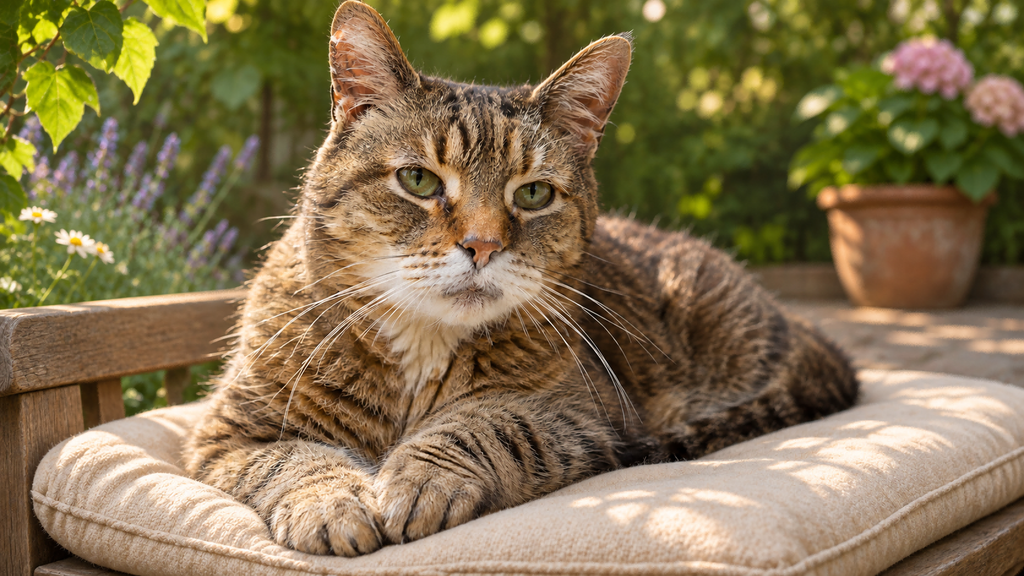
1. Adapt Activity to Their Current Abilities
Older pets still need opportunities to move, explore, and enjoy their surroundings. Adjust the pace, duration, and difficulty of activities to match their comfort.
For dogs, shorter, more frequent walks may be easier than one long outing. Allow time to sniff and choose comfortable routes. For cats, offer brief play sessions with toys moving within easy reach, without requiring repeated high jumps.
Watch how your pet moves during activity and afterwards. Limping, stiffness, reluctance, or unusual fatigue are reasons to stop and discuss the exercise plan with your veterinarian. Pets with mobility problems may benefit from an individually designed rehabilitation programme.
2. Make Everyday Routes Easier
Look at your home from your pet’s level. Can they reach water, food, bedding, and toileting areas without climbing stairs or crossing slippery surfaces?
Secure nonslip runners along frequently used routes. Consider stable ramps where appropriate, introducing them gradually with rewards. Provide essential resources on the floor your pet uses most.
For cats, a spacious litter tray with a low entrance can make access easier. Keep it in a quiet, accessible location. Protect pets with reduced vision or mobility from hazards such as open stairways and pools.
3. Improve Resting Comfort
Offer supportive bedding in a quiet place where your pet can stretch out and change position easily. The bed should be simple to enter and leave, with washable covers.
Provide a comfortably warm, draught-free resting area while allowing your pet to move somewhere cooler. Avoid placing them against hot surfaces or using improvised heating arrangements.
Give them uninterrupted rest, and make sure children and other animals allow them space. If your pet repeatedly struggles to settle, gets up frequently, or seems uncomfortable when lying down, arrange a veterinary assessment.
4. Review Food, Weight, and Muscle Condition
Age alone does not determine the right diet. Some older pets gain weight as activity decreases, while others lose weight or muscle and need different nutritional support.
Monitor body weight consistently and ask your veterinarian to assess both body condition and muscle condition. A stable number on the scale can hide changes in the balance between muscle and fat.
Choose food and portions according to health and nutritional needs. Do not automatically restrict protein or calories because your pet is older. Discuss therapeutic diets and supplements before introducing them, particularly if your pet already takes medication.
5. Help with Grooming and Daily Hygiene
Some senior pets find grooming harder because reaching or bending is uncomfortable. Offer gentle brushing in short sessions, checking for tangles, skin irritation, and sensitive areas.
Monitor nail length, since reduced activity may mean less natural wear. Ask for professional help if handling is painful or your pet becomes distressed.
Continue appropriate dental care and report bad breath, difficulty chewing, dropped food, or reluctance to eat. Difficulty grooming or eating may reflect discomfort that needs treatment.
6. Support Changes in Hearing, Vision, and Behaviour
Keep furniture and essential resources in predictable locations. Approach your pet where they can notice you, and avoid startling them awake.
Changes such as nighttime vocalisation, confusion, altered sleep, or house-soiling should be discussed with your veterinarian. Pain, illness, sensory changes, and cognitive problems can produce overlapping signs.
A familiar routine and gentle interaction may help your pet feel secure while the cause is assessed. Avoid punishing accidents or expecting them to manage an environment that has become difficult to navigate.
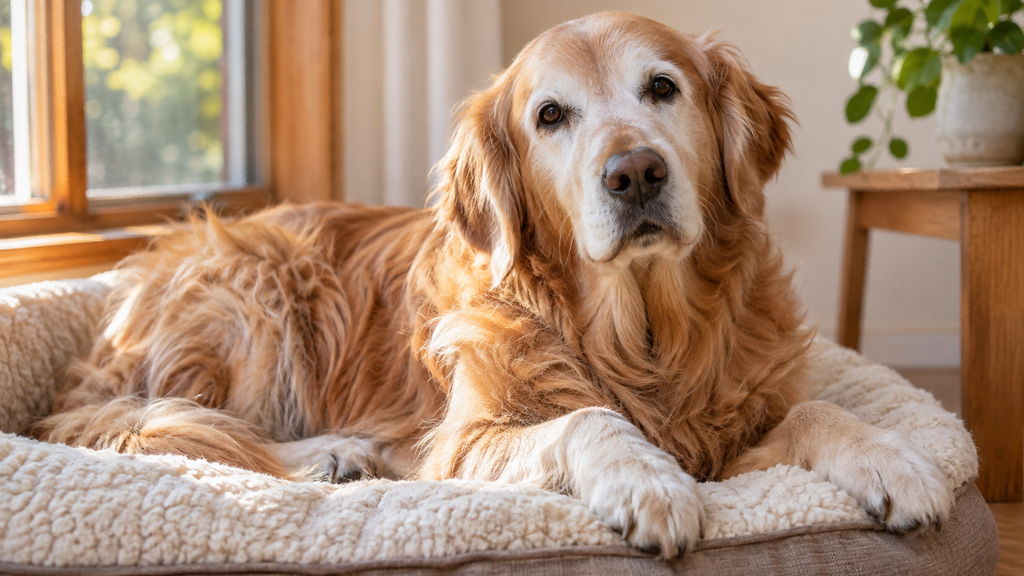
7. Keep Their Mind Engaged
Offer enjoyable activities that suit their physical abilities. An easy food puzzle, a short scent-searching game, or gentle interactive play can provide interest without demanding strenuous movement.
Keep challenges achievable. A puzzle that once seemed simple may need adjusting if your pet’s eyesight, mobility, or patience changes.
Allow your pet to choose whether to participate. Familiar companionship, quiet exploration, and watching household activity can also be rewarding. Include food rewards within the daily feeding allowance.
8. Record Small Health Changes
A simple diary can make gradual changes easier to recognise. Useful observations include:
- Appetite and water consumption.
- Urination and bowel movements.
- Walking, jumping, and getting up.
- Sleep, grooming, and social interaction.
- Vomiting, coughing, or changes in breathing.
- New lumps or changes in existing ones.
Short videos can show your veterinarian movements or behaviours that do not occur during an appointment. Report persistent changes promptly, and seek urgent care for severe symptoms such as breathing difficulty or collapse.
9. Arrange Regular Veterinary Reviews
Senior pets benefit from more frequent health assessments, even when they appear well. Six-monthly examinations are commonly recommended, with the schedule adjusted to individual needs.
Your veterinarian may recommend blood or urine tests, blood pressure measurement, dental assessment, or other investigations based on your pet’s history and examination.
Review whether treatment and home adjustments are helping your pet eat, move, rest, and enjoy daily life. Bring your observations and a current list of medications and supplements to appointments.
10. Frequently Asked Questions
Should an older pet stop exercising?
Usually, activity should be adapted rather than removed. Ask your veterinarian what is suitable for your pet.
Is stiffness an unavoidable part of ageing?
Stiffness can indicate pain or disease. An assessment may identify ways to improve comfort.