Living with a Pet Parrot: Understanding Their Daily Habits and Emotional Needs

A parrot’s personality often reveals itself in small, everyday moments: a greeting when you enter the room, a curious glance toward your breakfast, or a determined attempt to take apart a favorite toy. Sharing a home with one means learning to notice these details and understand what they mean.For a pet parrot, a comfortable life involves opportunities to communicate, explore, move, rest, and build trusting relationships. Understanding these daily needs helps owners create a home where their bird can feel secure and stay engaged.
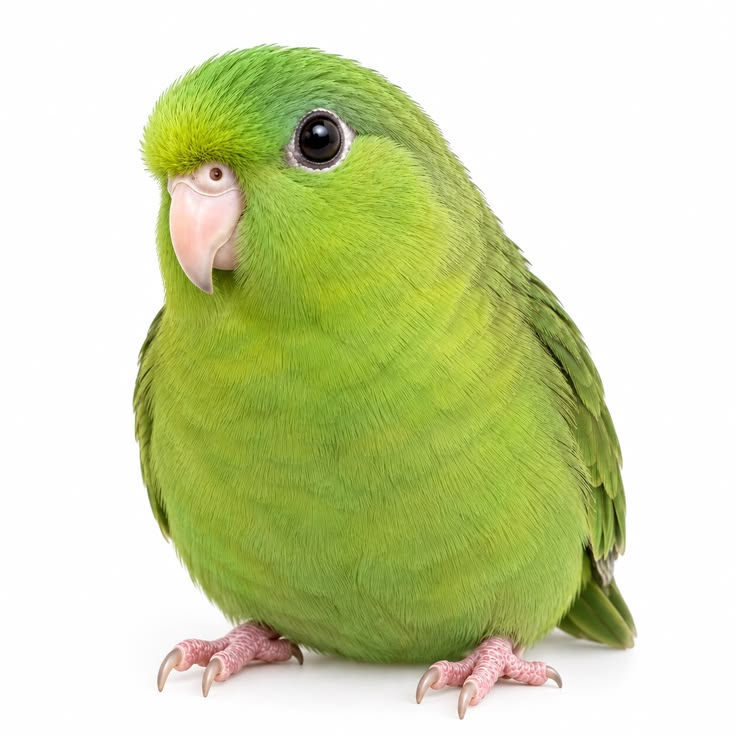
1. Social Connection Is Part of Everyday Life
Many parrots naturally live in social groups. Calling to one another, feeding nearby, and maintaining contact are important parts of their lives. In a home, a parrot may call when a familiar person leaves the room or become attentive when household members gather.
Regular companionship matters, but interaction does not always require handling. Talking softly, offering a short training session, or simply spending time nearby can provide meaningful contact. Pay attention to whether the bird approaches willingly or prefers more space.
2. Vocalizations Are a Form of Communication
Parrots communicate through chirps, whistles, contact calls, and sometimes loud vocalizations. A bird may call to locate a companion, respond to an unfamiliar sound, or express excitement. Some are especially vocal around the beginning and end of the day.
Complete silence is not a realistic expectation. Instead, learn your bird’s usual sounds and the situations that trigger them. Reward softer calls and relaxed behavior, and avoid shouting back, which may become part of an exciting exchange.
Species and individuals differ considerably in volume, so a bird’s vocal needs should be considered before bringing it home.
3. Chewing and Exploring Are Natural Activities
A parrot’s beak helps it investigate objects, manipulate food, and climb. Chewing wood or tearing paper can therefore be a normal, satisfying activity.
Provide bird-safe materials that the bird can explore and dismantle. Inspect toys regularly for sharp edges, loose threads, and damaged pieces that could be swallowed or cause entanglement.
Rotate a few suitable items to maintain interest without overwhelming the enclosure. For a cautious bird, introduce unfamiliar objects gradually and allow time for observation before expecting interaction.
4. Movement Should Be Built into the Daily Routine
Flying, climbing, stretching, and moving between perches are important opportunities for activity. An enclosure should provide usable space rather than simply contain many accessories.
Supervised time outside the enclosure can offer further exercise and exploration. Before opening the door, close windows and exterior doors, switch off ceiling fans, and address exposed wires, reflective surfaces, and open water containers.
Create safe places to land and perch. Give the bird opportunities to move at its own pace rather than chasing it into activity.
5. Mealtimes Can Include Discovery
Food can provide an opportunity to explore as well as eat. In the wild, obtaining food involves searching, choosing, and manipulating objects. Simple foraging activities can bring some of that engagement into a home.
Begin with an easy task, such as placing familiar food in a clearly accessible foraging tray. Increase the difficulty only after the bird understands the activity.
Enrichment should never prevent access to adequate nutrition. Continue checking what the bird actually eats, particularly when introducing new foods or unfamiliar feeding arrangements.
6. Quiet Rest Is as Important as Play
A busy household can make uninterrupted rest difficult. Television, conversation, and changing light levels may disturb a bird even when it appears settled.
Provide a quiet, dark sleeping area and maintain a consistent daily rhythm. Covering an enclosure does not remove surrounding noise, so its location matters.
Sleep requirements vary with species and individual circumstances. An avian veterinarian can help determine an appropriate schedule, especially when reproductive behavior or other concerns affect the bird’s routine.
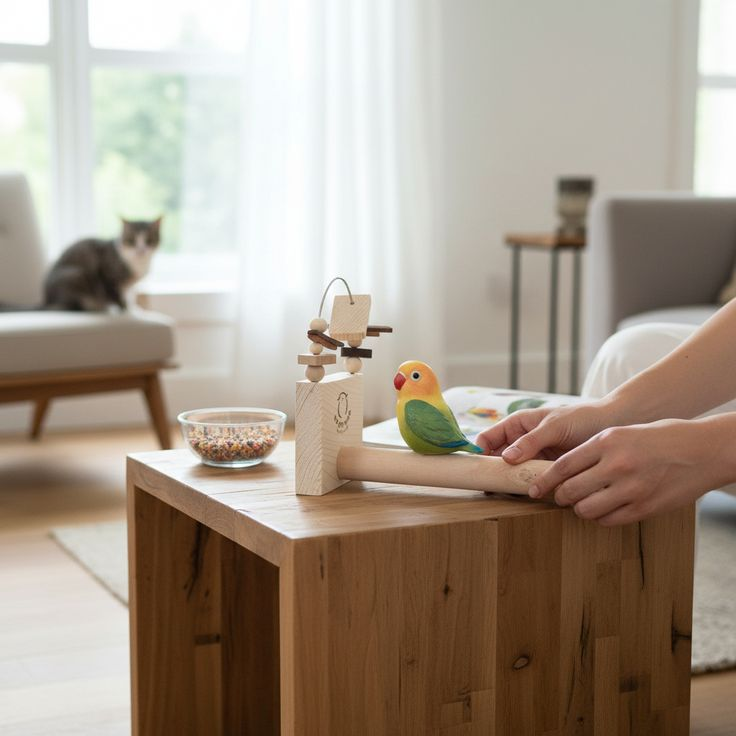
7. Trust Grows Through Choice and Predictability
A parrot may enjoy someone’s company without wanting to be touched. Another may approach readily but become uncomfortable when a hand moves too quickly.
Build trust through calm, predictable interactions. Offer a reward for approaching, stepping onto a perch, or participating in a brief training exercise. Allow the bird to move away when it needs a break.
Avoid forcing contact to make the bird “get used to it.” Repeated experiences of having its boundaries respected help make future interactions more comfortable.
8. Body Language Needs Context
Posture, movement, feather position, and vocalizations can help owners understand a parrot’s response. Leaning away may indicate a wish for distance, while voluntarily approaching can signal interest.
However, a single movement does not provide a complete explanation. A behavior’s meaning depends on the situation, the bird’s normal habits, and what happens next.
Observe patterns rather than assigning a fixed meaning to every gesture. Noticing when a bird becomes hesitant or disengaged can help you end an interaction before it becomes stressful.
9. A Comfortable Routine Balances Familiarity and Variety
Predictable meals, rest, and interaction can make daily life easier to navigate. At the same time, a parrot benefits from appropriate opportunities to explore and solve manageable problems.
Keep the broad rhythm familiar while making small changes: offer a different safe chewing material, rearrange a simple foraging activity, or practise a familiar training task in a new setting.
Adjust the pace to the individual. An outgoing bird may investigate immediately, while a more cautious companion may need several days to accept a change.
10. FAQs About Daily Life with a Pet Parrot
Q1: Does my parrot need constant attention?
It needs regular social contact alongside opportunities for independent activity and rest. Build a sustainable routine that includes both companionship and suitable enrichment.
Q2: Why does my parrot call when I leave the room?
It may be trying to maintain contact. Observe the circumstances and respond consistently while encouraging calm, independent activities.