When Pets Are Home Alone: Making Their Day Safer, Richer, and More Comfortable

When you leave home, your pet’s day should include more than waiting for you to return. Opportunities to explore, find food, play safely, and rest comfortably can make their surroundings more rewarding.
For cats and dogs, enrichment works best when it suits the individual. A curious kitten, an older dog, and a nervous newly adopted pet may need very different arrangements. The aim is to offer enjoyable choices while keeping the home safe and allowing plenty of uninterrupted rest.
1. Start with Your Pet’s Individual Needs
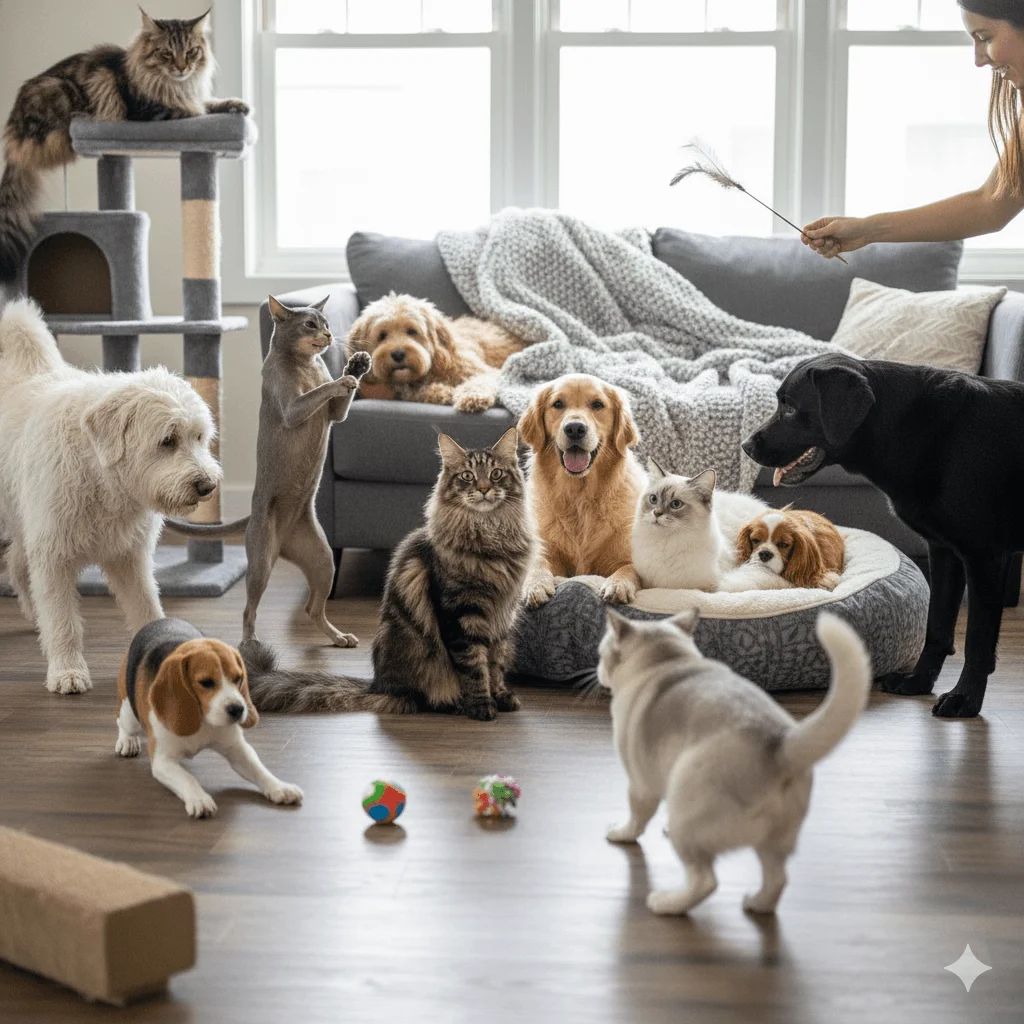
Before choosing activities, notice what your pet already enjoys. Does your cat prefer climbing, hiding, or batting objects across the floor? Does your dog enjoy sniffing, searching for food, or carrying a favourite toy?
Age, mobility, health, and previous experiences also matter. A difficult puzzle may frustrate a beginner, while a toy requiring vigorous movement may be uncomfortable for a pet with limited mobility. Choose activities your pet can use comfortably and successfully.
2. Choose Toys Carefully Before Leaving Them Alone
A toy that works well during supervised play may be unsuitable when nobody is watching. Select toys appropriate to your pet’s size and chewing habits, and inspect them regularly for damage.
Introduce every new toy while you are present. Watch whether your pet tears off pieces, swallows material, or gets their mouth or paws caught. No toy is indestructible, and some pets cannot safely use certain toys without supervision. Homemade cardboard activities, rope toys, and soft objects also need careful assessment.
For cats, put away fishing-rod toys, ribbons, yarn, and loose strings after interactive play. These can create entanglement or swallowing hazards when left unattended.
3. Turn Part of Mealtime into a Search
Food-based enrichment gives pets an opportunity to investigate and work for their meals. Depending on the animal, suitable options may include a stable puzzle feeder, an appropriate food-dispensing toy, or small portions of dry food placed in easy-to-reach locations.
Start with something simple. Let your pet learn how the activity works while you are nearby, then increase the challenge gradually. Avoid leaving an unfamiliar, difficult puzzle immediately before you depart.
Use part of the normal daily food allowance and account for any extra treats. Keep food searches away from household hazards, and give pets separate feeding areas if they compete over food. Foraging should feel rewarding rather than stressful.
4. Give Cats Opportunities to Climb, Scratch, and Hide
Cats benefit from an environment with different places to explore and retreat. A secure cat tree, an accessible scratching surface, and a quiet hiding place can provide choices throughout the day.
A stable perch near a securely closed window may offer something interesting to watch. However, observe your cat’s response: outdoor animals may excite or upset some cats. Adjust access or cover part of the view if it repeatedly causes agitation.
Keep essential resources accessible, including fresh water, a clean litter tray, and comfortable resting areas. Cats should be able to reach these without passing another pet that blocks their way.
5. Offer Dogs Appropriate Activities Before Departure
A suitable walk with opportunities to sniff, followed by a toilet break, can help meet a dog’s needs before time alone. Allow time to settle afterwards.
At home, a familiar food toy may provide a quiet activity, provided it has already proved suitable under supervision. Chews require particular care: an item another dog uses safely may be unsuitable for yours.
Rotate a few familiar toys to maintain interest. Leaving every toy available at once is unnecessary, especially if your dog usually chooses only one or two.
6. Make Rest an Important Part of the Day
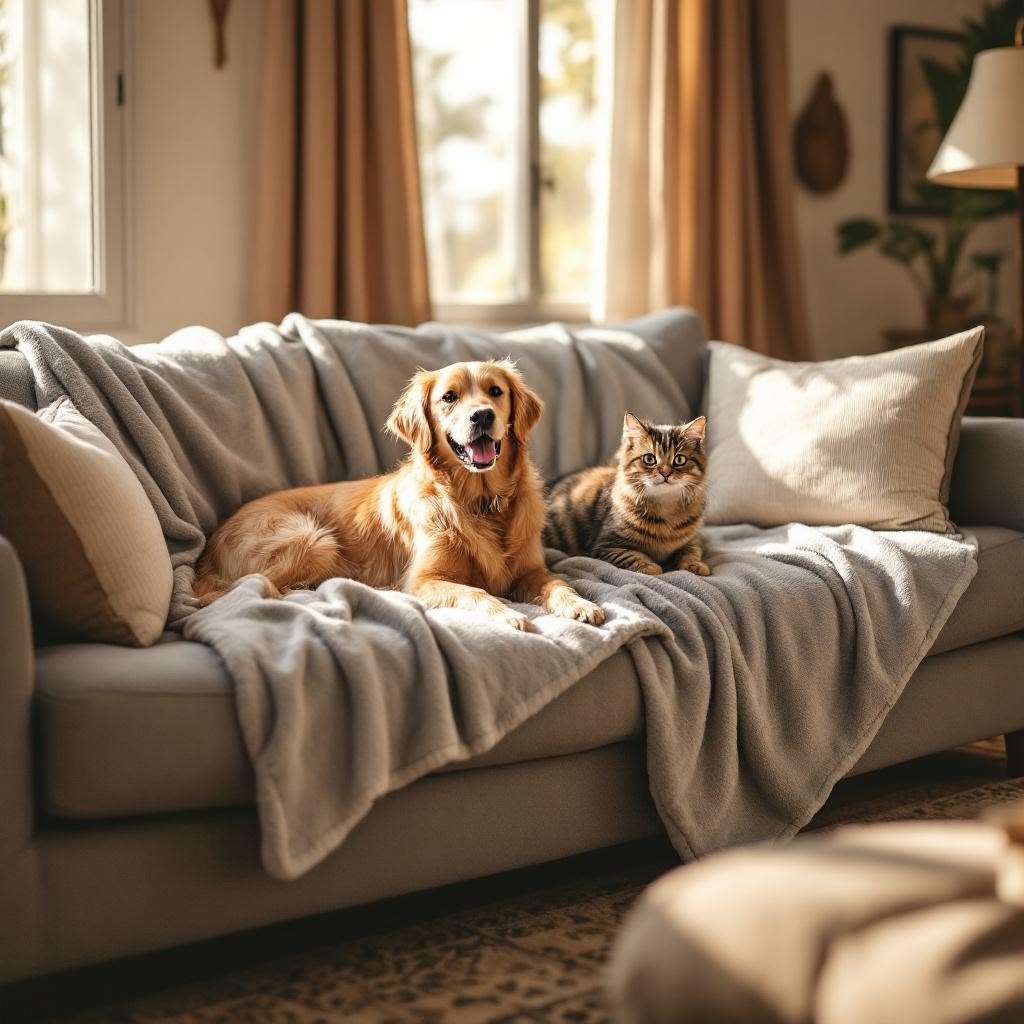
Enrichment also includes the freedom to sleep undisturbed. Provide a comfortable resting place away from excessive noise, direct heat, and busy household areas.
Ensure your pet has fresh water and a safe, comfortable environment. Secure electrical cables, household chemicals, rubbish, and other accessible hazards.
Choose the resting arrangement your pet finds comfortable. A crate is appropriate only when the dog has already learned to relax there; it should never be used to contain panic during an absence.
7. Build a Predictable, Flexible Routine
A familiar pattern can make departures easier to anticipate: appropriate activity, a toilet opportunity where needed, a calm settling period, and access to familiar surroundings.
Practise short absences while your pet remains comfortable, increasing the time gradually. If they become distressed, reduce the difficulty and reassess the plan.
Toys cannot compensate for an absence that exceeds a pet’s ability to cope. Puppies, pets with medical needs, and animals still learning to be alone may need more frequent care or visits.
8. Observe What Actually Happens
A camera can help you understand whether your pet rests, explores, uses enrichment, or appears unsettled. Check several periods rather than judging the whole day from one moment.
Use what you observe to adjust the arrangement. An ignored puzzle may be too difficult or simply unappealing. Repeated pacing near a window may suggest that the view needs changing.
Arrange a suitable caregiver when your pet needs companionship, toileting, or other care during your absence. Monitoring helps you make decisions; it does not provide that care.
9. Recognise When Enrichment Is Not Enough
Repeated barking or howling, pacing, destructive escape attempts, toileting, or self-injury can indicate difficulty coping alone. A pet that leaves food untouched during absences may also need closer assessment.
These behaviours should not be punished. Speak with a veterinarian to assess possible health concerns and discuss appropriate behavioural support. Avoid leaving a distressed pet to “cry it out”; repeated frightening experiences can make the problem worse.
10. Frequently Asked Questions
Does my pet need constant entertainment?
No. Offer opportunities for activity alongside comfortable, uninterrupted rest.
Should I leave a new toy as a surprise?
Introduce it under supervision first so you can assess how your pet uses it.