Good Manners for Dogs: Essential Skills for a Happier Everyday Life

A dog that greets visitors without jumping, walks comfortably on a loose lead, and returns when called is easier to include in everyday activities. These skills help dogs share homes and public spaces safely while making life more enjoyable for everyone around them.
Dogs do not automatically understand human expectations. Good manners develop through clear guidance, suitable practice, and rewards for desired behavior. This article introduces practical skills worth teaching, with an emphasis on patience and trust.
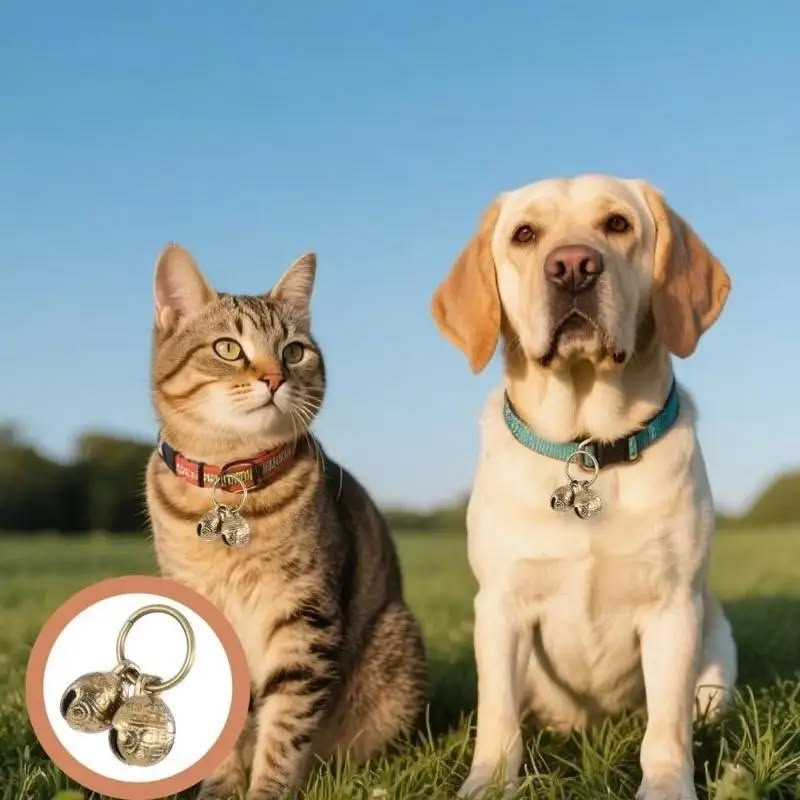
1. Start with Clear, Reward-Based Communication
Choose consistent cues and reward your dog promptly when it succeeds. Food, toys, play, or access to something enjoyable can help reinforce learning.
Begin somewhere quiet and keep sessions short. Once a skill becomes familiar, practise in different places, gradually increasing distractions.
Avoid shouting, hitting, leash jerks, or equipment designed to cause pain. Reward-based training teaches useful alternatives while protecting the dog’s welfare. If your dog struggles, make the task easier rather than assuming it is deliberately disobeying.
2. Responding to Their Name
A name can become a helpful signal to turn toward you. This makes it easier to communicate before giving another cue.
Start nearby in a quiet room. Say your dog’s name once, then mark the moment it looks toward you with “yes” and offer a reward. Repeat briefly, allowing breaks between attempts.
Gradually practise with mild distractions. Avoid using the name repeatedly when your dog is too distracted to respond, or mainly before something unpleasant.
3. Greeting People Without Jumping
Dogs may jump to seek contact or express excitement. Teach an alternative by rewarding greetings with all four paws on the ground.
Practise with a calm helper. Offer attention while your dog remains grounded; if jumping begins, pause the greeting and make the next attempt easier. A gate or comfortable lead arrangement can help prevent uncontrolled rushing.
Sitting can be an option, but a relaxed standing greeting is also acceptable. Never force a nervous dog to approach someone.
4. Walking on a Loose Lead
Polite walking means moving without constant pulling. It does not require your dog to remain pressed against your leg throughout the walk.
Begin in a low-distraction area and reward a few steps beside you while the lead stays loose. If your dog pulls, pause safely and encourage it back before continuing. Avoid jerking the lead.
Build up gradually and include opportunities to sniff. If the surroundings are too exciting or frightening, increase distance or choose an easier location.
5. Waiting Briefly at Doors
A short pause at a doorway helps prevent rushing and gives you time to check the surroundings.
With your dog safely secured, reward a moment of stillness near a closed door. Open it slightly, reward another successful pause, and use a release cue such as “okay” before moving through.
Increase difficulty gradually. Standing calmly is enough; sitting is optional. Continue using secure doors, gates, and a lead where needed, because training does not replace physical safety measures.
6. Coming Back When Called
Recall is a valuable safety skill. Begin over a short distance in a quiet, enclosed area. Give your recall cue once and reward generously when your dog reaches you.
Build distance and distractions gradually. Sometimes release your dog back to a safe activity so returning does not always end the fun.
Never punish a dog for returning, even after a delay. Use a suitable lead or long line attached to a well-fitted harness while practising outside secure areas. No recall is guaranteed in every situation.
7. Learning “Leave It” and “Drop”
These cues teach different actions. “Leave it” asks your dog to turn away from something; “drop” asks it to release an item already in its mouth.
For “leave it,” start with a safe, uninteresting item and reward your dog for looking away. Add the cue once the response becomes predictable.
For “drop,” practise exchanging a low-value toy for a better reward. Return the toy when appropriate so releasing it does not always mean losing it.
Avoid chasing or forcibly taking items. If your dog stiffens, growls, or guards possessions, stop the exercise and seek qualified help. Keep hazardous objects inaccessible regardless of training.
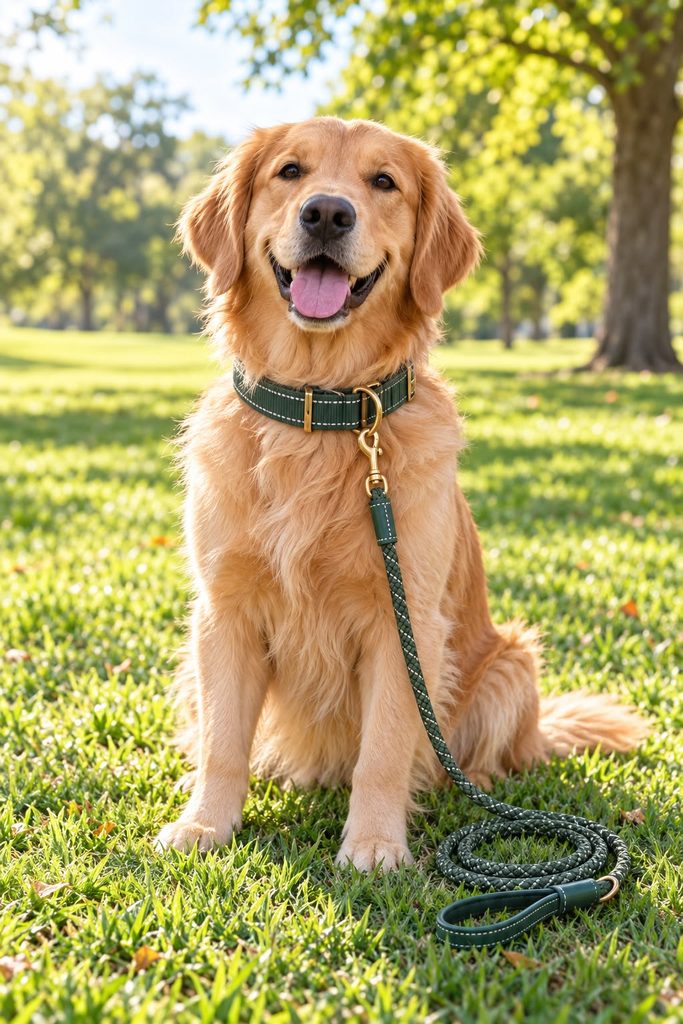
8. Settling on a Mat
Learning to relax in a designated place can help during meals, visits, and quiet household activities.
Place a comfortable mat in a peaceful area. Reward your dog for stepping onto it, then for sitting or lying down. Gradually reward longer periods of relaxed behavior.
Keep expectations realistic. A dog whose exercise, toileting, or comfort needs are unmet may find settling difficult. The mat should remain a pleasant resting place rather than somewhere the dog is sent as punishment.
9. Toileting in an Appropriate Place
Reliable toileting develops through opportunities and consistent rewards. Take your dog to the chosen area regularly, especially after waking, eating, or playing, and reward immediately after it finishes.
Supervise while the habit develops and clean accidents thoroughly. Do not punish mistakes or rub your dog’s nose in them.
Young puppies need frequent breaks. New or recurring accidents in a previously reliable dog deserve veterinary advice rather than being treated automatically as a training problem.
10. FAQs About Teaching Everyday Manners
Q1: Can an adult dog learn these skills?
Yes. Adapt practice to its experience, health, and comfort, and build from achievable steps.
Q2: Does my dog need to greet every person or dog?
No. Calmly passing others and maintaining a comfortable distance are useful skills too.