How to Read Pet Food Labels: Life Stages, Complete Diets, Treats, and Feeding Amounts

A bag of kibble or a pouch of wet food may feature appealing ingredients, attractive photographs, and promises of excellent nutrition. Yet the most useful information is often in smaller print on the back.
Learning to read that information helps you answer three practical questions: Is this food suitable for my pet? Can it serve as the main diet? How much should I feed?
This guide focuses on food for cats and dogs. Labeling terminology varies between countries, so always check the wording used on the actual product.
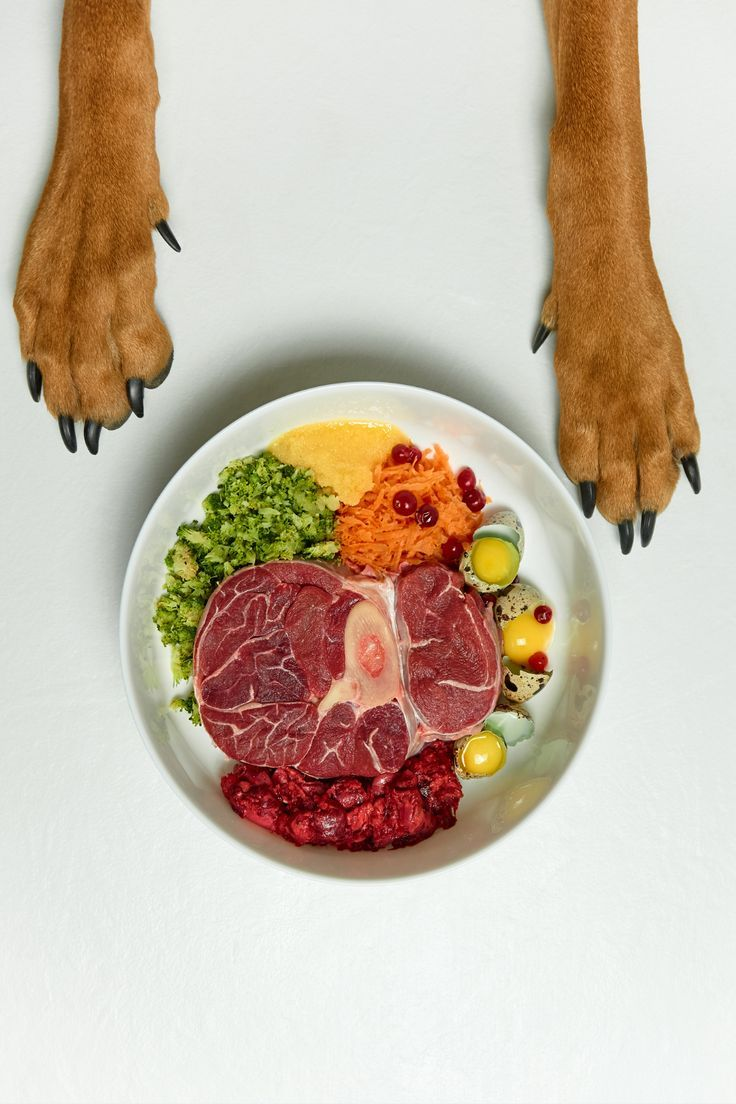
1. Start with Species and Intended Purpose
First, confirm whether the product is intended for dogs or cats. Their nutritional requirements differ, so one species’ food should not routinely replace the other’s.
Next, identify the product’s purpose. Is it a complete diet, a treat, a complementary food, or a supplement?
Packaging style cannot answer this question. A pouch of meat, a canned food, and a bag of dried pieces can each serve different purposes. Read the product description and nutritional statement before deciding how to use it.
2. Match the Food to the Right Life Stage
Growing puppies and kittens have different nutritional needs from adult animals. Pregnancy and nursing also create additional demands.
Common label descriptions include:
| Label wording | General meaning |
|---|---|
| Growth or puppy/kitten | Intended to support growing animals |
| Adult maintenance | Intended for adult animals outside growth and reproduction |
| Gestation/lactation or reproduction | Intended for pregnancy and nursing |
| All life stages | Meets the stated requirements across growth, reproduction, and adult maintenance |
“All life stages” does not mean the same portion suits every animal. Feeding directions should account for different stages.
For a large-breed puppy, check specifically that the food is suitable for its expected adult size. Ask your veterinarian if the label is unclear.
3. Find the Nutritional Adequacy Statement
On many US labels, look for a statement explaining that the food provides complete and balanced nutrition for a specified life stage.
The statement may refer to formulation against AAFCO nutrient profiles or substantiation through feeding tests conducted using AAFCO procedures. These describe how nutritional adequacy was established.
The important detail is what the statement covers: the correct species, life stage, and intended use. A prominent claim on the front should not replace reading this information.
4. Distinguish Complete Food from Complementary Food
A complete food is intended to provide the necessary nutrients when fed as directed for its stated purpose.
A complementary food is intended to be used alongside other food or as an additional item. In some markets, similar products carry wording such as “for intermittent or supplemental feeding only.”
A meat topper, broth, or treat may look substantial without being suitable as the sole diet. Veterinary diets are a special case: some products with restricted-use statements are prescribed for particular medical needs and should be used under veterinary direction.
5. Read Nutrient Percentages in Context
US-style guaranteed analyses commonly list minimum crude protein and fat, plus maximum crude fiber and moisture. These are guarantees, not necessarily exact measurements of each batch.
Moisture matters when comparing foods. Wet food often shows a lower protein percentage because water makes up more of its weight. Comparing that number directly with dry kibble can be misleading.
For a meaningful comparison, ask for nutrient information on a consistent basis, such as dry matter or per calorie. A higher protein percentage alone does not establish that a food is better suited to your pet.
6. Understand What the Ingredient List Can Tell You
Ingredients are generally listed in descending order by weight. The list helps identify ingredients present, but it does not provide a complete assessment of nutritional quality.
A fresh ingredient containing considerable water may appear high on the list. Position alone cannot tell you the final amount of each nutrient, digestibility, or overall balance.
Use the ingredient list alongside the adequacy statement, calorie information, and manufacturer details. If you need a food for a diagnosed condition or suspected food allergy, ask your veterinarian rather than choosing solely from ingredient names.
7. Find the Calories Before Measuring Portions
Look for calorie information expressed as kcal per kilogram, gram, cup, can, or pouch. These units describe energy, and they must be matched to the amount you serve.
For example, a food labeled 3,600 kcal/kg supplies 3.6 kcal per gram. A 100-gram portion therefore provides 360 kcal.
This is a calculation example, not a feeding recommendation. Your pet’s daily requirement must be assessed separately.
When combining wet and dry food, count calories from both. Giving the full daily allowance of each can substantially exceed the intended intake.
8. Use Feeding Tables as a Starting Point
Check whether the amount shown is per day or per meal, and whether it assumes the food is fed alone.
Package directions provide a starting estimate. Actual needs vary with age, activity, health, and body condition.
Measure portions consistently; weighing food in grams can make serving amounts easier to reproduce. Monitor weight and body condition, then discuss adjustments with your veterinary team.
Unexplained weight loss or gain should prompt assessment rather than repeated portion changes alone.
9. Count Treats, Toppers, and Other Extras
Treats usually do not provide complete nutrition. Large amounts can add excess calories and displace the balanced main diet.
For most healthy dogs and cats, keep non-complete extras within about 10% of daily calories; some pets need a stricter limit or specially selected treats.
Count training rewards, dental chews, table scraps, and toppers together. If your pet is on a veterinary-prescribed diet, ask which extras are suitable. Using part of an appropriate complete daily ration for rewards can also help manage intake.
10. FAQs About Pet Food Labels
Q1: Does “premium” mean the food is nutritionally complete?
Not by itself. Check the nutritional adequacy or complete-food statement.
Q2: Is wet food always a complete meal?
No. Wet products can be complete diets, complementary foods, or treats.