Is a Chubby Pet Really Healthier? Recognizing Weight Problems in Cats and Dogs

A round face, a soft belly, and a generous appetite can make a pet look irresistibly cute. Gradual weight gain is also easy to overlook when you see your companion every day. What seems like a little extra padding may eventually affect comfort, movement, and health.
Recognizing weight problems starts with observing body condition, understanding food intake, and planning suitable activity. This guide explains how to assess your cat or dog more thoughtfully and make manageable changes with veterinary support.

1. Look Beyond the Number on the Scale
Body weight is useful, but it cannot tell the whole story. Two pets weighing the same amount may have different skeletal sizes, muscle mass, and body fat.
Breed averages and online “ideal weight” charts cannot replace an individual assessment. A pet may also lose muscle while retaining excess fat, leaving its weight relatively unchanged.
Veterinary teams therefore assess body weight alongside body condition and muscle condition. Together, these provide a clearer picture than weight alone.
2. Check the Ribs, Waist, and Body Outline
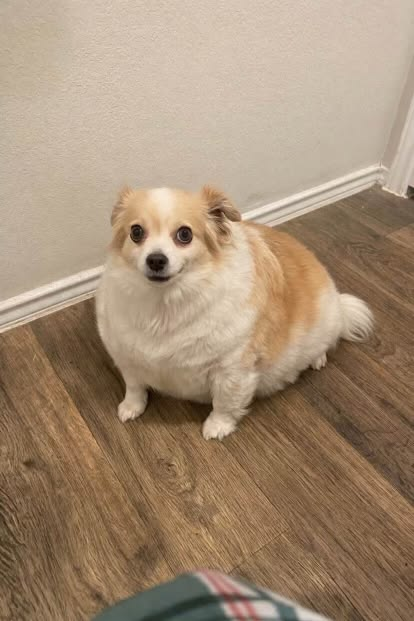
Body condition assessment combines looking and gentle touch. A thick coat can hide the outline, so appearance alone may be misleading.
In an appropriately conditioned pet, you should generally be able to feel the ribs beneath a light covering of fat without pressing firmly. Viewed from above, there should usually be some narrowing behind the ribs.
For dogs, an upward abdominal tuck is commonly visible from the side. Cats require assessment of their overall shape and abdominal fat coverage.
Ask your veterinary team to demonstrate the technique using a species-appropriate body condition chart.
3. Do Not Judge a Cat by Its Belly Flap Alone
Many cats have a loose fold of skin along the lower abdomen called the primordial pouch. It can sway as they walk and does not, by itself, establish that they are overweight.
Assess the ribs, waist, and overall fat distribution rather than focusing on this single feature. Equally, a normal pouch does not rule out excess body fat elsewhere.
If you are unsure whether a change is ordinary anatomy, weight gain, or abdominal enlargement, arrange a veterinary assessment.
4. Notice Changes in Everyday Comfort
Weight concerns sometimes become apparent through changes in routine. Your dog may find usual walks harder, or your cat may become less willing to climb or groom certain areas.
These changes should not automatically be blamed on weight. Pain, illness, and aging can produce similar signs and may require treatment.
Excess body fat can also contribute to health problems, including joint difficulties and diabetes in cats. Assessing the cause early helps avoid a cycle in which discomfort reduces activity and further weight gain makes movement harder.
5. Record Everything Your Pet Eats
Before changing portions, keep a food diary. Include meals, treats, dental chews, food used for medication, table scraps, and anything offered by other household members.
Check the calorie content of each item. A small-looking treat can contribute a meaningful amount of energy, particularly for a small pet.
Measure meals consistently, preferably by weight when practical. If combining wet and dry food, account for both rather than giving the full daily allowance of each.
Package feeding guides are starting estimates. The amount should be reviewed against your pet’s actual condition and progress.
6. Manage Treats Without Removing Enjoyment
Treats can support training and enrichment, but they belong within the daily calorie allowance.
For most healthy cats and dogs, non-complete extras should contribute no more than about 10% of daily calories. A weight-management plan or medical condition may require a lower allowance or particular choices.
Prepare the day’s rewards in advance so everyone uses the same allocation. Where suitable, reserve part of the complete daily food ration for training.
Affection can also include play, exploration, and companionship. Not every interaction needs an edible reward.
7. Plan Activity Your Pet Can Enjoy
For dogs, begin with comfortable walks and increase activity gradually according to fitness and veterinary advice. Shorter outings may suit a dog with limited stamina better than one demanding session.
For cats, offer brief, frequent opportunities to stalk, chase, and catch suitable toys. Make climbing and play accessible rather than requiring difficult jumps.
Do not suddenly introduce strenuous exercise to an overweight, painful, or previously inactive animal. Activity should support comfort and muscle function, while food intake remains an essential part of weight management.
8. Avoid Crash Diets and Arbitrary Food Cuts
Reducing food drastically can create nutritional problems and make a plan difficult to sustain. Simply halving an ordinary ration is not an appropriate universal solution.
Ask your veterinarian to establish a target, assess possible underlying conditions, and recommend a suitable diet and feeding amount. Some pets benefit from a purpose-formulated weight-management food.
Cats require particular care: food refusal and severe restriction can contribute to hepatic lipidosis, a serious liver condition. Never starve a cat to force weight loss. If a cat stops eating, contact your veterinarian promptly.
9. Monitor Progress and Adjust Together
Use the same scale where possible and record weights at intervals agreed with your veterinary team. Track body condition and muscle condition as well as kilograms or pounds.
Also note practical improvements: easier movement, more comfortable play, or better ability to groom. Photographs taken from consistent angles can help document changes.
If progress stalls, review measurements and unrecorded extras before cutting food further. Unexpected weight loss, rapid gain, or changes in appetite and thirst deserve veterinary assessment.
10. FAQs About Pet Weight
Q1: My pet looks hungry after eating. Does it need more food?
Not necessarily. Food-seeking alone does not establish calorie needs. Review portions, diet, enrichment, and body condition; discuss unusual appetite changes with your veterinarian.
Q2: Can a pet be overweight even if I can feel its ribs?
Yes. Consider how easily the ribs can be felt and assess the waist and other fat deposits too.
Q3: Is extra weight inevitable after neutering?
No. Energy needs may change, making portion reviews and regular monitoring important.