

Is Severe Cat Tear Stain Normal? Causes Analysis & Safe Cleaning Methods

Is severe tear staining normal for cats? Many cat owners notice persistent wet, reddish-brown marks around their cats’ eyes that are hard to clean. While mild, faint tear stains are a normal physiological occurrence, severe and long-lasting discoloration is not a healthy sign. It can be triggered by diet issues, improper grooming, breed traits or underlying illnesses. Ignoring severe tear stains for a long time may lead to eye inflammation, bacterial growth and skin infections around the eyes. In this article, we will analyze the root causes of tear stains and share gentle, eye-safe cleaning and improvement methods for cat owners.
1. Is Severe Tear Staining a Normal Condition for Cats?
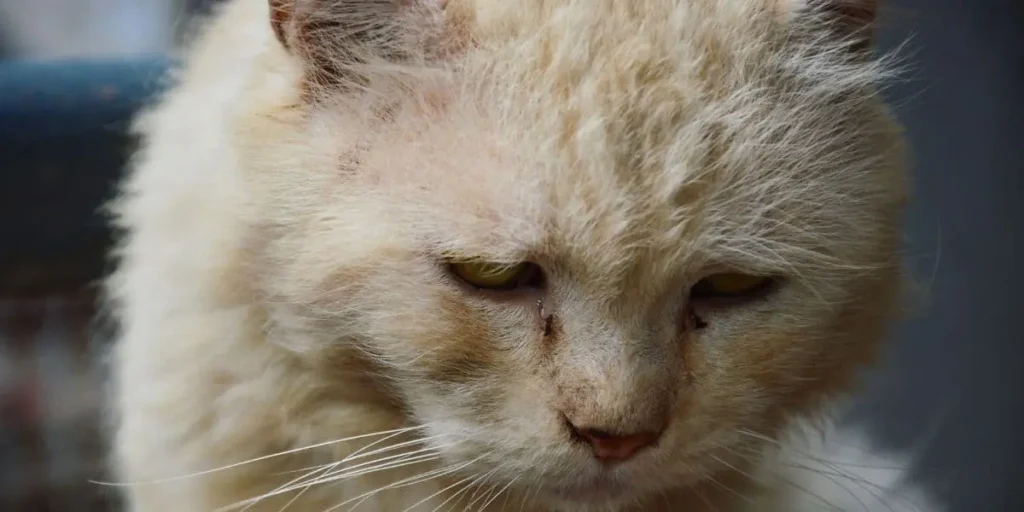
Light and short-term tear stains are usually formed by oxidized tears and dust buildup, which is normal. However, deep-colored, large-area and persistent tear stains accompanied by excessive tearing or discharge are abnormal. They are divided into three main causes: physiological factors such as shallow tear ducts and naturally overactive tear glands; dietary factors including high-salt food and insufficient water intake; pathological factors like eye infections, ear mites, allergies and blocked tear ducts.
2. Common Mistakes New Cat Owners Make When Dealing With Tear Stains
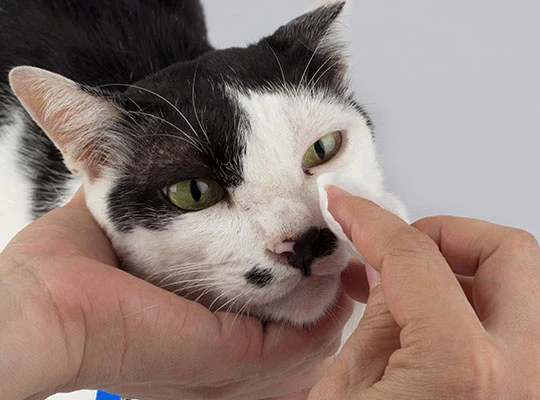
Many cat owners wipe their cats’ eye areas with human wet wipes or alcohol pads, rub the eye corners roughly, blindly switch to expensive cat food, or use human eye drops randomly. These behaviors irritate the delicate skin and eye mucous membranes around cats’ eyes, worsen allergies and inflammation, and make tear stains more stubborn and recurring.
3. Health Risks Caused by Severe Tear Stains
Long-term accumulated tear stains create a warm, moist environment for bacteria and fungi, causing redness, itching and hair loss on the skin around the eyes. Backflowing tears irritate eyeballs and lead to conjunctivitis and keratitis. Hidden issues such as ear mites and blocked tear ducts will develop into chronic eye and ear diseases if left untreated.
4. Simple Gentle At-Home Quick Tips
Gently wipe eye corners with sterile saline pads every day. Keep the living space well-ventilated and dry. Ensure constant access to clean fresh water. Trim overlong hair around the eyes regularly to prevent hair from poking eyeballs and triggering excessive tearing.
5. How Cat Age Relates to Tear Stain Problems
Kittens mostly develop tear stains due to underdeveloped tear ducts, dietary intolerance or mild eye irritation. Adult cats usually suffer from tear stains related to diet, allergies or ear mites. Senior cats with severe tear stains should be checked for blocked tear ducts, age related eye diseases and chronic respiratory problems.
6. Tear Stain Differences Among Various Cat Breeds
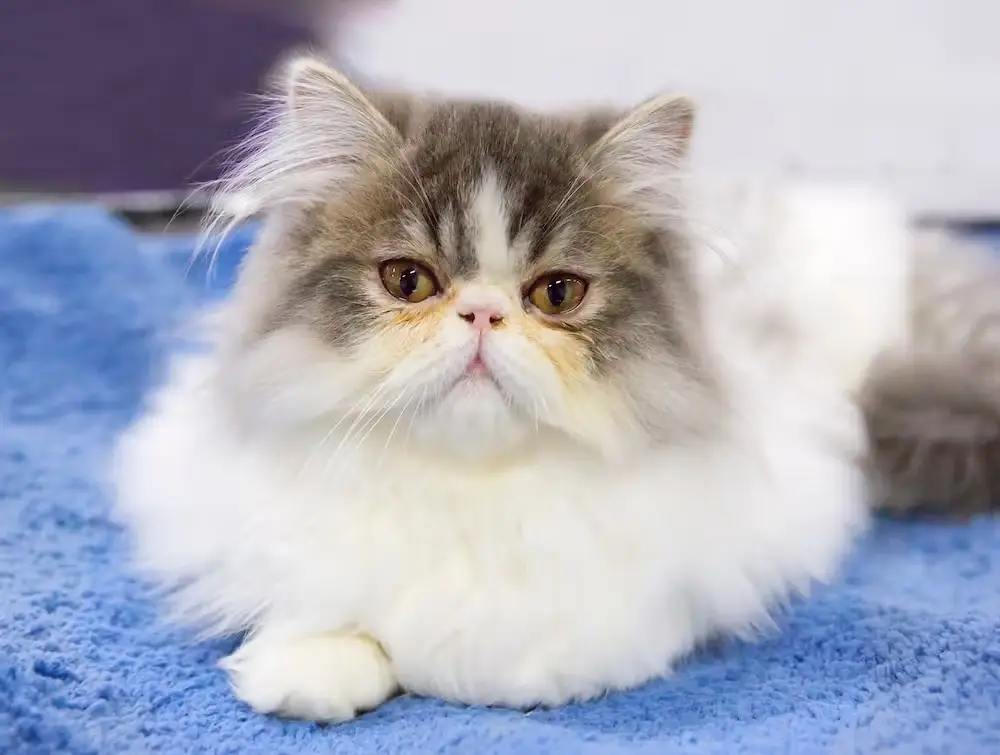
Flat-faced breeds such as Persians, Exotic Shorthairs and Chinchillas are highly prone to tear stains due to their naturally short tear ducts. Normal-faced short-haired breeds like British Shorthairs and American Shorthairs mostly get tear stains from improper diet or grooming. Sleek-faced breeds such as Siamese and Devon Rex rarely have severe tear stain issues.
7. Impacts of Seasonal and Environmental Changes
High humidity in spring and summer increases bacteria, dust mites and pollen, causing eye allergies and excess tearing. Dry autumn and winter air carries large amounts of dust that irritate eyeballs. Respiratory discomfort from seasonal temperature shifts can also indirectly worsen tear stains.
8. Special Grooming Notes for Multi-Cat Households
Ear mites and eye infections spread easily among cats in multi-pet homes, leading to simultaneous tear stain problems. Shared water bowls and toys can accumulate bacteria, requiring separate grooming and regular disinfection. Some cats scratch each other’s eyes, aggravating tear stains further.
9. Complete Troubleshooting & Safe Cleaning Solutions You Can Do Yourself
- Dietary Problems (High-Salt Food & Heatiness): Choose low-salt grain-free cat food, avoid human food entirely, provide enough water, and add small amounts of pet-specific cooling supplements.
- Hair-Triggered Tearing: Trim hair around the eyes regularly to prevent ingrown eyelashes and long hair irritation; clean eye dust gently daily.
- Natural Tear Duct Structure: Groom flat-faced breeds daily, and massage tear duct areas softly to promote normal tear drainage.
- Ear Mite Infections: Clean ear canals regularly and maintain routine deworming, as ear mites stimulate eye tearing through nerve reactions.
- Allergy Triggers: Check litter dust and environmental pollen, switch to low-dust cat litter, and keep the home clean.
- Eye Inflammation: Use pet-specific eye cleaning solutions; seek veterinary care immediately if redness or discharge appears.
- Blocked Tear Ducts: Visit a vet for professional unclogging treatment for long-term stubborn tear stains with continuous tearing.
10. Frequently Asked Questions
Q: Do I need to clean mild tear stains every day?
A: Frequent cleaning is unnecessary for light tear stains; a simple daily wipe is enough. Flat-faced breeds need daily grooming to prevent worsening issues.
Q: Can I use human eye drops to remove cat tear stains?
A: No. Human eye drops contain unsuitable ingredients that may damage cats’ eyes. Always use products specially formulated for pets.