

What Causes Rapid Breathing in Cats? Critical Warning Signs Requiring Immediate Vet Care

Rapid breathing in cats is an easily overlooked emergency among pet owners. While short-term quick breathing can be a normal reaction after exercise or exposure to heat, persistent rapid breathing, open-mouth panting, or labored breathing often signal life-threatening issues such as heart and lung disease, stress shock, poisoning, or severe infections. Abnormal breathing in cats can deteriorate extremely fast, and delays may lead to fatal outcomes. In this article, we analyze common triggers of rapid breathing in cats and outline urgent warning signs alongside practical at-home checks.
1. Does Rapid Breathing Always Mean a Cat Is Sick?
Brief, steady increases in breathing rate after intense play, hot weather, or short-term stress that return to normal within minutes are physiological and harmless.However, persistent rapid breathing, abdominal breathing, open-mouth panting, or unusual breathing sounds at rest are abnormal. Main causes fall into two categories: physiological triggers including extreme heat, strenuous activity, and severe fear; pathological factors such as cardiopulmonary disease, pleural effusion, asthma, poisoning, parasite infections, and fever from infection. All pathological cases require urgent attention.
2. Common Mistakes New Cat Owners Make When Dealing With Rapid Breathing
Many owners give human cold medicine or antibiotics blindly, shake cats to rouse them, wrap them in blankets for warmth, or force water and food intake. Some dismiss rapid breathing as simple heatstroke and delay medical care. These actions worsen heart and lung strain, speed up oxygen-deprivation shock, and miss the optimal treatment window.
3. Health Risks of Abnormal Breathing in Cats
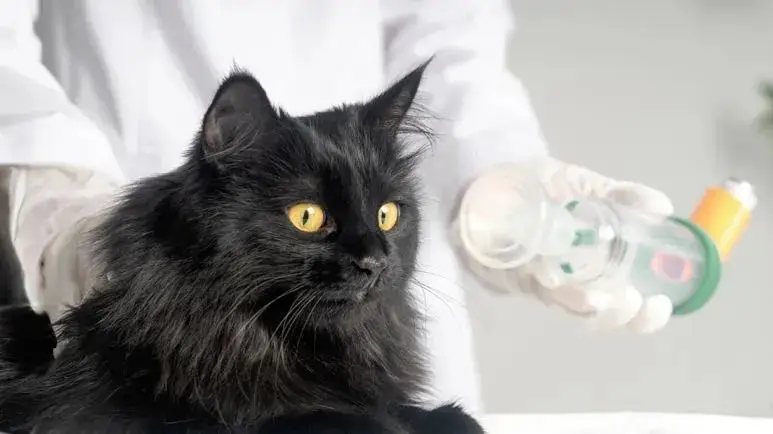
Cats have low oxygen tolerance. Prolonged rapid breathing quickly causes hypoxia, damaging the heart and brain. Breathing issues from thoracic or heart problems can trigger acute heart failure and pulmonary edema. Poisoning and parasite-related rapid breathing lead to rapid organ failure. Kittens and senior cats face extremely high risks of shock and sudden death.
4. Simple At-Home Emergency First-Aid Tips
Immediately move the cat to a cool, well-ventilated, quiet area away from noise and bright light. Loosen collars to ensure unobstructed breathing. Avoid touching, lifting, or shaking the cat to reduce stress. Offer small amounts of room-temperature water, and never force-feed water. Continuously monitor breathing rate and condition while preparing for emergency vet care.
5. How Cat Age Relates to Rapid Breathing Issues
Kittens mostly develop rapid breathing from viral infections, parasites, cold-induced pneumonia, or congenital cardiopulmonary defects. Adult cats commonly suffer from stress-triggered asthma, allergies, and thoracic conditions. Cats over 7 years old with rapid breathing should be checked for hypertrophic cardiomyopathy, heart failure, chronic lung disease, and thyroid disorders, which are high-risk senior illnesses.
6. Breathing Problem Differences Among Cat Breeds
Flat-faced breeds including Persians, Exotic Shorthairs, and Chinchillas have naturally short nasal passages, making them prone to rapid breathing and heatstroke. Normal-faced short-haired breeds such as British Shorthairs and American Shorthairs mostly develop breathing issues from acquired illnesses. Siamese and Devon Rex cats have higher asthma and stress-related breathing risk. Ragdolls are susceptible to hypertrophic cardiomyopathy, with rapid breathing as a classic symptom.
7. Impacts of Seasonal and Environmental Changes
High summer temperatures cause poor heat dissipation and frequent heatstroke-related rapid breathing. Temperature fluctuations between seasons trigger colds and pneumonia. Pollen and dust in spring and autumn induce feline allergic asthma. Stress from moving homes, house guests, loud noises, or strong household odors can also cause stress-induced rapid breathing.
8. Special Troubleshooting Notes for Multi-Cat Households
Viral respiratory illnesses spread quickly in multi-cat homes, leading to collective breathing abnormalities. Cat fights and thoracic injuries can also cause rapid breathing. Owners need to distinguish between individual cardiopulmonary diseases and group issues caused by environmental factors or infectious diseases.
9. Self-Checkable Causes & Critical Warning Signs for Immediate Vet Visits
Common Self-Checkable Causes
- Environmental or Physiological Factors: Rapid breathing from high temperatures, strenuous exercise, or fear that resolves after resting can be monitored at home.
- Respiratory Allergies & Asthma: Accompanied by coughing, sneezing, and wheezing; recurring cases require long-term management.
- Parasite Infections: Linked to weight loss, vomiting, and diarrhea; preventable through regular deworming.
- Viral & Bacterial Infections: Present with runny nose, fever, and lethargy, requiring prompt anti-infective treatment.
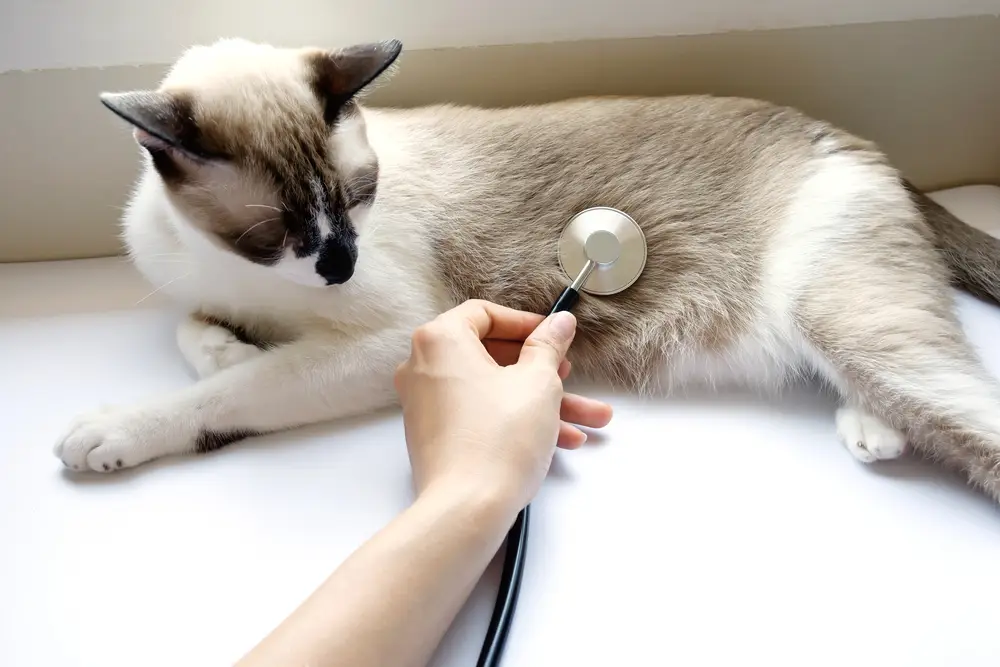
- Heart & Thoracic Diseases: Rapid breathing at rest is a high-risk sign requiring immediate veterinary care.
Critical Warning Signs for Immediate Vet Visits
- Persistent open-mouth breathing with blue or pale gums at rest
- Severe abdominal heaving, labored breathing, or abnormal breathing sounds
- Continuous coughing, fainting, unsteady walking, or collapse
- Sudden rapid breathing linked to suspected poisoning or injuries
- Unexplained rapid breathing and lethargy in senior cats
10. Frequently Asked Questions
Q: Is vet care needed if my cat pants briefly and recovers quickly?
A: Brief panting after exercise or heat exposure with normal energy and appetite can be monitored. Sudden unexplained panting at rest requires prompt examination.
Q: Can I give fever-reducing medicine to a cat with rapid breathing?
A: Never administer human medication. Ingredients such as paracetamol are highly toxic to cats and can be fatal. Always follow professional veterinary prescriptions.