

Why Does My Cat Vomit Frequently? A Complete Troubleshooting Guide From Diet to Illness

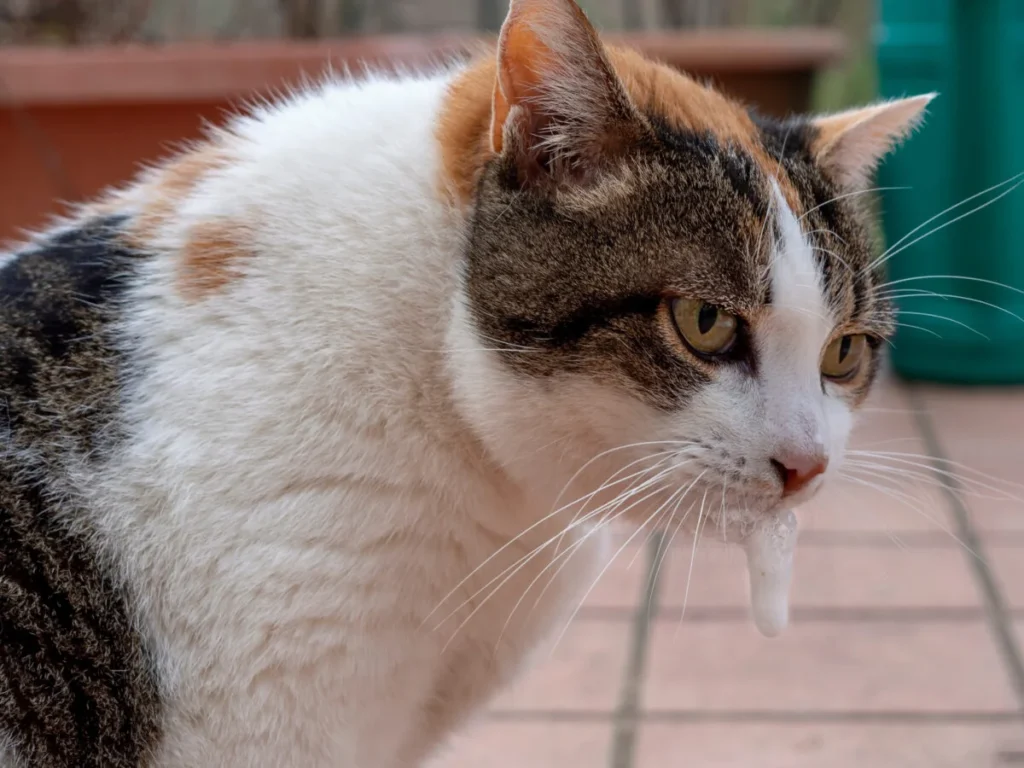
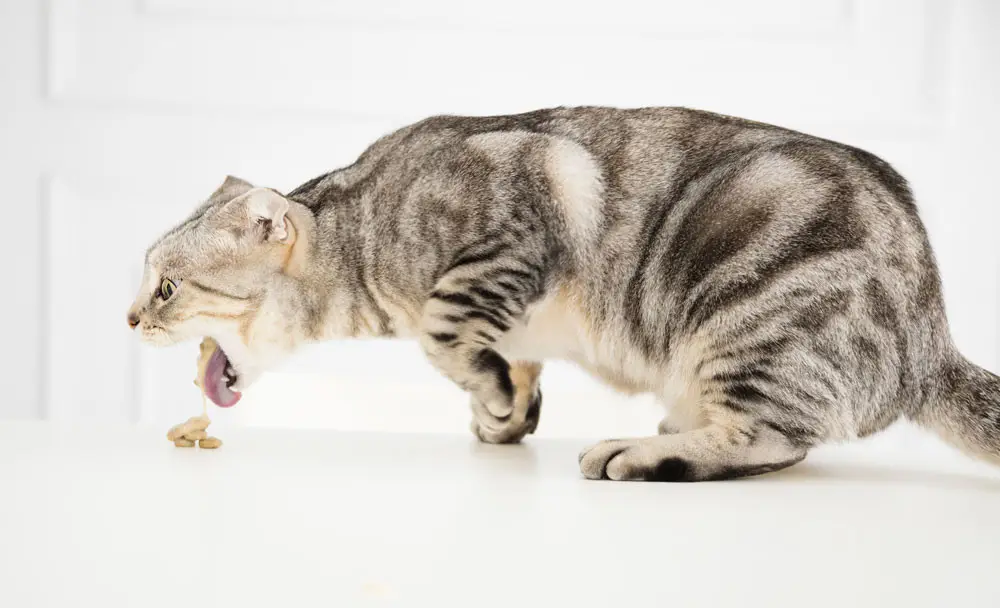
Frequent vomiting in cats is one of the most common issues cat owners face daily. It can stem from minor triggers such as eating too fast or hairball buildup, to serious health conditions including liver-kidney disorders and gastrointestinal inflammation. Many pet owners tend to overlook single vomiting episodes, but repeated vomiting can quickly cause dehydration, nutrient loss and severe intestinal damage, which will worsen over time. In this article, we provide a step-by-step troubleshooting guide covering diet, daily habits and potential illnesses to help you identify causes and solutions effectively.
1. Why Do Cats Vomit Frequently?
Cat vomiting is generally divided into three categories: physiological, dietary and pathological. Physiological causes include hairball buildup and empty-stomach bile reflux. Dietary factors cover overeating, rapid food transition, spoiled food and excessive treats. Pathological issues are more serious, such as gastroenteritis, parasite infections, pancreatic problems and chronic organ diseases, which require immediate attention.
2. Common Mistakes New Cat Owners Make When Handling Vomiting
Many cat owners give human-grade stomach medicine, starve cats for days, switch to expensive cat food blindly or feed excessive treats to comfort vomiting cats. These actions will irritate the digestive system further, trigger repeated vomiting and dehydration, and even hide warning signs of severe illnesses.
3. Health Risks of Frequent Vomiting in Cats
Cats have sensitive digestive systems. Vomiting more than twice a day or for consecutive days causes rapid loss of water and electrolytes, leading to dehydration and esophageal burns from stomach acid. Kittens may suffer hypoglycemic shock, while senior cats face higher risks of liver and kidney failure. Long-term vomiting also causes appetite loss, weight loss and weakened immunity.
4. Easy Home Remedies to Relieve Vomiting Quickly
Fast your cat for 2–4 hours after vomiting and provide small amounts of water frequently. Replace dry kibble with easily digestible wet food or prescription canned food. Offer cat grass or hairball paste to help hair excretion. Stop all snacks temporarily to reduce intestinal pressure for faster recovery.
5. How Cat Age Relates to Vomiting Problems
Kittens usually vomit due to dietary intolerance, parasites or immature digestion. Adult cats mostly suffer from hairballs, overeating and stress-related vomiting. Cats over 7 years old with frequent vomiting should be checked for chronic diseases including kidney issues, thyroid disorders and pancreatic problems.
6. Vomiting Risks Among Different Cat Breeds
Short-haired breeds like British Shorthairs and American Shorthairs mostly vomit from dietary issues with fewer hairball problems. Long-haired breeds such as Ragdolls and Persians swallow more hair while grooming, leading to frequent hairball vomiting. Sensitive breeds like Siamese and Devon Rex are prone to stress-induced vomiting when environments change.
7. Impacts of Seasonal and Environmental Changes
Temperature fluctuations and high humidity in spring and summer may upset cat stomachs and increase parasite risks. Dry autumn and winter trigger heavy shedding and serious hairball buildup. Stress from moving homes, house renovations or new pets joining the household can also cause nervous vomiting.
8. Special Notes for Multi-Cat Households
In multi-cat families, cats may compete for food and overeat, causing group vomiting. Parasites and gastroenteritis spread easily among cats. Differentiate whether vomiting affects one single cat or all pets: single-cat cases point to individual illnesses, while group issues are usually caused by diet or environmental factors.
9. Step-by-Step Troubleshooting & At-Home Solutions
1.Dietary Issues (Eating Too Fast / Overeating): Use slow-feed bowls and feed 3–4 small meals daily to avoid overconsumption.
2.Hairball Buildup: Offer cat grass and hairball paste regularly, and groom cats frequently to reduce ingested hair.
3.Sensitive Stomach & Indigestion: Feed pet-specific probiotics, and switch cat food gradually with a 7-day transition method.
4.Parasite Infections: Maintain regular internal deworming. Check for diarrhea, bloody stool and weight loss for further diagnosis.
5.Stress-Induced Vomiting: Keep a quiet and stable home environment, and use cat calming products to reduce anxiety.
6.Gastroenteritis & Pancreatitis: Stop all treats and seek immediate veterinary care if vomiting occurs with yellow bile, mucus or low energy.
7.Chronic Organ Diseases: Take senior cats for full physical check-ups if vomiting repeats with excessive thirst, frequent urination and weight loss.
10. Frequently Asked Questions
Q: Should I take my cat to the vet after one vomiting episode?
A: A single vomit with normal appetite and energy can be monitored at home. Seek professional help immediately if vomiting occurs twice a day or lasts more than 2 consecutive days.
Q: Can I give my cat smectite powder for vomiting?
A: Pet-dosage smectite powder can be used for temporary relief, but long-term use is not recommended. Always identify root causes for targeted treatment.