

Why Does My Cat Hide Long-Term and Avoid Interaction? 5 Warning Signs of Stress or Illness

It is common for cats to hide and stay away from human interaction. Many cat owners assume this behavior simply means their cat is introverted or aloof. However, if a cat hides in corners long-term, refuses interaction, and actively avoids people, this is not just normal shyness. It is most likely a warning sign of stress, anxiety, or underlying health problems. Long-term hiding can worsen a cat’s mental anxiety and delay treatment for potential illnesses. In this article, we break down the root causes of hiding behavior and share 5 critical warning signs with practical solutions.
1. Is Long-Term Hiding and Avoiding Interaction Normal Cat Personality?
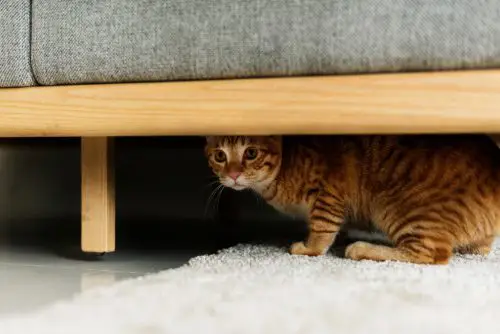
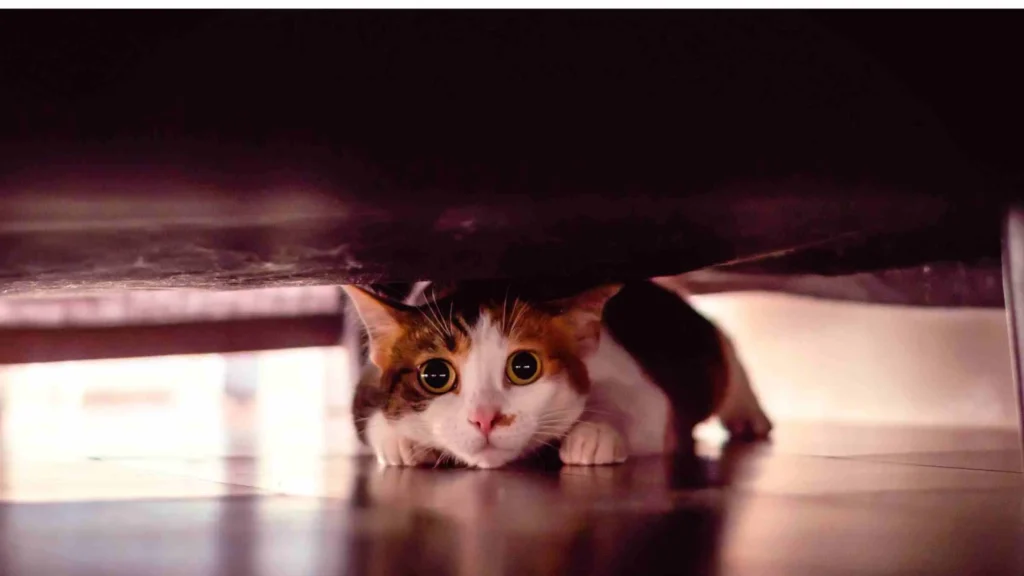
Short-term hiding and resting alone are natural for cats, as they prefer quiet solitude. But continuous hiding, deliberate avoidance of human contact, complete refusal to play, and even eating or drinking in seclusion are not normal behavior. They are mainly caused by psychological factors such as environmental stress, anxiety, and fear, or physical issues including body pain, chronic diseases, and sensory discomfort. Both require close attention from owners.
2. Common Mistakes New Cat Owners Make With Hiding Cats
Many cat owners force their cats out by picking them up, chasing them, disturbing them repeatedly, shouting, or forcing play. Some simply ignore the issue, assuming the cat will recover naturally. These actions completely destroy a cat’s sense of security, double their stress, worsen hiding behavior, and mask early signs of physical illness.
3. Health Risks of Long-Term Hiding and Isolation in Cats
Long-term hiding under stress rapidly lowers a cat’s immunity, raising risks of urinary diseases and digestive disorders. Mental anxiety triggers over-grooming and hair loss. If hiding is caused by physical pain, untreated chronic conditions will keep worsening. Reduced appetite and inactivity further lead to obesity and fatty liver disease.
4. Simple Gentle At-Home Calming Tips
Provide an enclosed hiding bed and never disturb the cat forcibly. Keep the home quiet with low noise levels. Place food, water, and litter boxes near hiding spots. Interact slowly and softly using treats or feather wands for gentle guidance, without forced physical contact.
5. How Cat Age Relates to Hiding Behavior
Kittens hide mainly due to unfamiliar environments and fear of external stimulation. Adult cats hide mostly from stress, territory conflicts, or mild physical discomfort. Senior cats over 7 years old with long-term hiding should be checked for chronic pain, kidney disease, arthritis, and age-related sensory decline.
6. Hiding Tendencies Among Different Cat Breeds
Adaptable short-haired breeds like British Shorthairs and American Shorthairs rarely hide long-term. Gentle breeds such as Ragdolls and Chinchillas tend to hide persistently after being startled. Sensitive breeds like Siamese and Devon Rex easily hide under environmental changes. Native mixed-breed cats with stray ancestry are naturally vigilant and prone to long-term solitude.
7. Impacts of Seasonal and Environmental Changes
High insect activity and loud noises in spring and summer make cats anxious and reclusive. Lower winter temperatures cause joint discomfort and reduced activity. Moving homes, renovations, house guests, new pets, and rearranged furniture are major triggers of stress-induced hiding.
8. Special Behavioral Checks for Multi-Cat Households
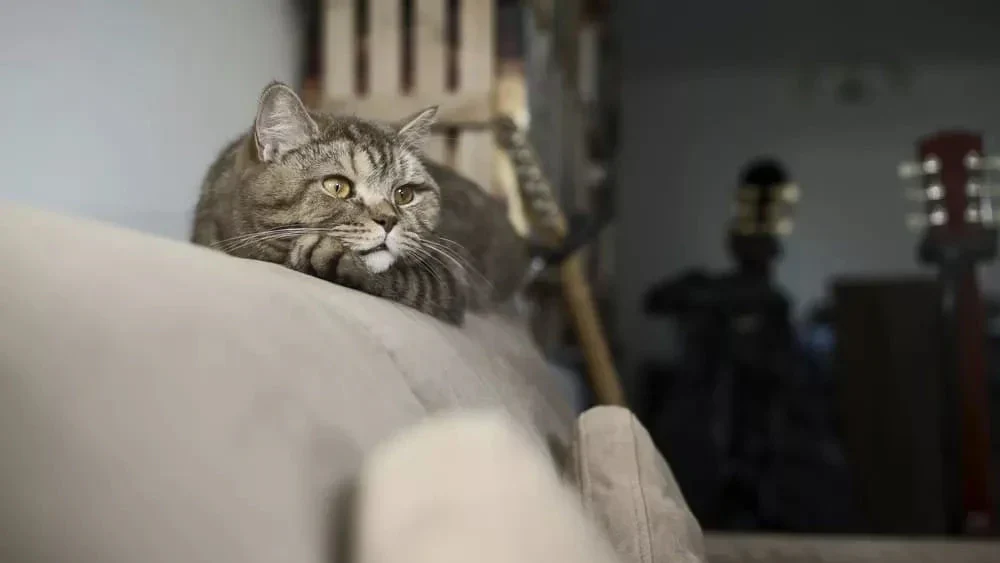
In multi-cat homes, weaker cats are often suppressed by dominant ones and forced to hide long-term. Fights and territory conflicts trigger continuous fear. Cross-transmitted illnesses can also cause collective hiding and low interaction, requiring separate observation of each cat.
9. Complete Troubleshooting & Solutions (5 Core Warning Signs)
- Sign 1: Noticeable appetite loss alongside hiding Reduced appetite is the clearest physical warning sign, usually linked to gastrointestinal issues, oral pain, or internal organ discomfort. Check diet and health status immediately.
- Sign 2: Reluctance to move, flinching or hissing when touched Flinching and hissing indicate physical pain such as arthritis, oral inflammation, or internal organ injuries. Seek veterinary checks promptly.
- Sign 3: Urinating outside the litter box or frequent litter box visits This is a typical sign of stress-related urinary problems. High stress or urinary pain causes cats to hide for self-protection.
- Sign 4: Unkempt fur, over-grooming, or patchy hair loss Behavioral issues triggered by mental stress and anxiety. Long-term over-grooming causes skin damage, requiring environmental calming and health checks.
- Sign 5: Hiding all day and only being active late at night Reversed day-night routines signal severe lack of security or chronic pain. Improve living conditions and arrange full veterinary examinations if necessary.
10. Frequently Asked Questions
Q: Should I intervene if my cat is naturally aloof and dislikes interaction?
A: No intervention is needed for cats that simply prefer alone time. Take action if they hide continuously, refuse all contact, or show abnormal symptoms.
Q: Can I use treats to force my cat out for interaction?
A: Gentle temptation with treats is acceptable, but never drag or chase them. Forced interaction increases fear and worsens hiding behavior.