Do Cats Hold Grudges? Vet Analysis of Feline Memory and Emotional Behavior

Many cat owners have experienced confusing feline behaviors: after bathing, nail trimming, giving medicine, or mild scolding, cats start hiding, hissing, peeing in inappropriate places, or deliberately misbehaving. Most pet parents believe their cats are petty, hold grudges, and seek revenge intentionally. However, from veterinary science and feline behavioral perspectives, cats do not possess subjective hatred or vengeful mentality. So-called “grudge-holding and revenge behaviors” are essentially fear memory, stress responses, and instinct self-protection reactions. Understanding your cat’s real emotional logic and avoiding common raising mistakes helps build a stable, trusting bond with your feline companion.
1. Grudge vs. Fear: Core Differences in Feline Negative Emotions
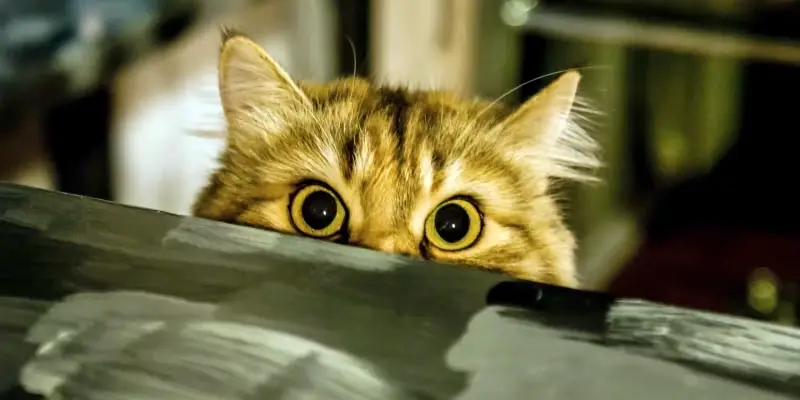
Human grudges involve subjective resentment, persistent fixation, and deliberate revenge with clear purposes. In contrast, all negative cat behaviors are instinctual emotional feedback without intentional hatred. Emotionally stable cats are affectionate, relaxed, and interactive with their owners. When feeling slight discomfort, they choose to avoid and stay distant. When facing intense external stimulation and severe stress, they hiss, scratch, pee randomly, or hide in seclusion. These reactions are natural self-defense instincts rather than deliberate retaliation, which is the key to distinguishing real feline emotions from misunderstood “grudges”.
2. Common Cat Care Mistakes: Confusing Feline Stress with Grudges
Most cat owners hold cognitive biases, labeling post-grooming, post-medicine, or post-discipline avoidance and resistance as grudge-holding. Many owners further correct these behaviors through scolding, beating, or cold treatment. Unfortunately, cats cannot understand human punishment logic. Harsh correction never solves problems but deepens their fear memory, builds wariness toward owners, and gradually alienates the human-cat bond.
3. Potential Dangers of Misjudging Your Cat’s Emotions Long-Term
Long-term emotional misjudgment and frequent forced punishment completely erode a cat’s trust in its owner. Affected cats become timid, introverted, and unwilling to interact. They often develop sub-health symptoms including poor appetite, excessive grooming, and listlessness. In severe cases, chronic stress triggers feline idiopathic cystitis, weakened immunity, skin diseases, and other physical illnesses. This creates a vicious cycle of “fear – resistance – punishment – intensified fear”, continuously damaging cats’ physical and mental health.
4. Standard Rules for Calming Cats and Daily Interaction
The core of scientific cat care is low-stress raising. Avoid forced holding, sudden scares, and rough grooming operations. After uncomfortable procedures such as bathing, nail trimming, and medication administration, soothe your cat promptly with snacks and gentle petting to weaken negative memories. Maintain a stable daily routine, avoid random frightening or punishing your cat, and replace punitive discipline with positive interaction to create a safe and relaxing living environment.
5. How Age and Personality Influence Feline Emotional Memory
A cat’s emotional memory is significantly affected by age and personality. Kittens have fast-changing emotions and quickly forget short-term negative experiences with strong behavioral plasticity, rarely retaining long-term negative feelings. Adult cats have stable memory systems and keep stress and fear memories for a longer time. In terms of personality, sensitive and timid cats easily solidify fear memory and maintain long-term avoidance behaviors, while bold and docile cats adapt better and rarely suffer from persistent negative emotions.
6. Behavioral Differences Between Short-Term and Long-Term Cat Memory
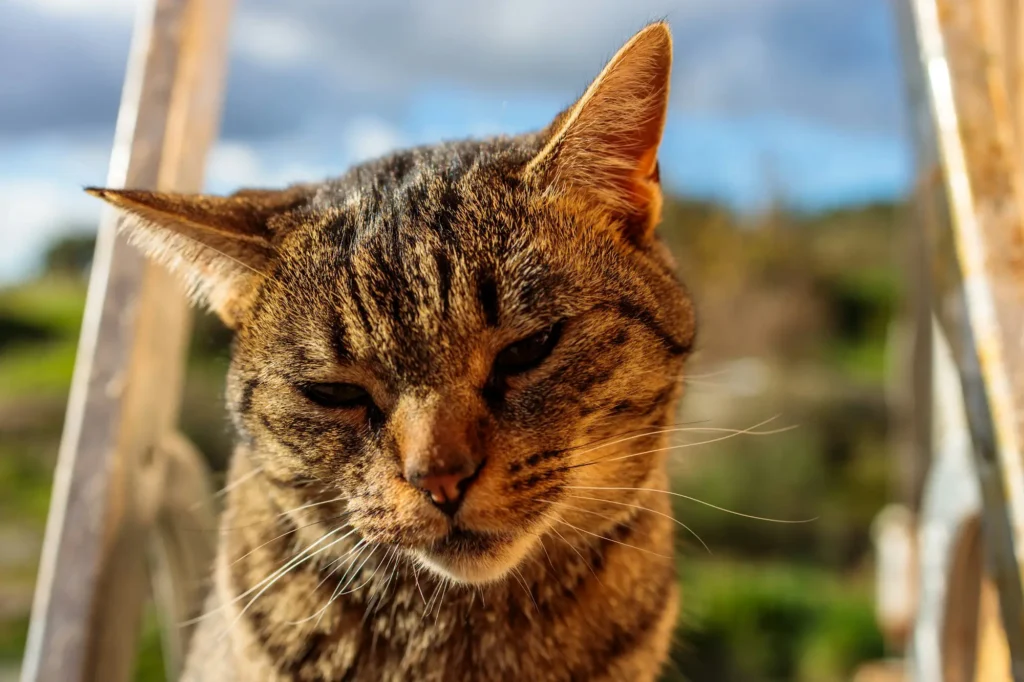
Cats only have dozens of seconds of short-term memory, meaning trivial daily discomforts and minor frictions are forgotten rapidly. However, traumatic and repeated negative experiences form solid long-term emotional memory. Frequent scolding, forced restraint, and sudden scares keep cats in a constant state of vigilance, completely breaking their trust and forming fixed behavioral habits such as permanent avoidance, refusal to interact, and aggressive resistance.
7. Real Causes Behind Cat “Revenge Behaviors”
All cat behaviors mistaken for revenge have specific emotional or physical triggers. Inappropriate urination mainly stems from stress anxiety, urinary system discomfort, or normal territorial marking; hissing and scratching are self-defense responses under fear; deliberate avoidance and alienation result from insecurity and nervousness; destructive behaviors usually come from long-term boredom and emotional stress. These are all feline emotional distress signals instead of intentional retaliation.
8. Fast Methods to Restore Cat Trust and Eliminate Negative Emotions
To repair feline emotions and rebuild trust, stop all forced interactions and provide sufficient private space for your cat to adjust. Guide positive interactions daily with cat treats and wands, using gentle movements and soft tones while avoiding sensitive areas like the abdomen and paws. Stick to a low-stress raising routine without disturbance or rough treatment. Most cats can fade negative emotions and reconcile with their owners within 3 to 7 days.
9. Core Root Causes of Feline Emotional Behavioral Issues
The so-called cat grudge-holding behaviors have two fundamental causes: first, residual traumatic stress memories form conditioned vigilance toward owners; second, improper daily interaction patterns lead to long-term feline insecurity. These issues have nothing to do with a cat’s inherent personality or malice. They are normal instinctive emotional feedback, which can be effectively improved by adjusting daily raising and interaction methods.
10. FAQs About Cats Holding Grudges and Feline Emotions
Q1: Will cats hold grudges against their owners for a lifetime?
A: No. Cats do not have the cognitive ability for long-term resentment or deliberate revenge. With adjusted interaction methods and consistent gentle positive reinforcement, cats will gradually forget negative experiences and rebuild trust and dependence on their owners.
Q2: How long does it take for a cat to forgive after being scolded?
A: Cats recover from mild single stimulation within 1 to 3 days and return to intimate interaction. Deep stress caused by long-term frequent punishment requires 1 to 2 weeks of patient desensitization and soothing to fully repair the human-cat relationship.