Why Do Cats Stare At Their Owners? 7 Hidden Behavioral Signals

Every cat owner has experienced this common scenario: whether you are eating, scrolling through your phone, working, or sleeping, your cat will often sit quietly and stare at you for a long time. Many pet parents think this constant staring is a sign of deep affection, while others worry that their cat is monitoring or even being hostile toward them. However, according to professional feline behavioral science, cat staring is never a single simple cuddle behavior. It is a complex communication signal that represents trust, curiosity, emotional warnings, and daily needs. Since cats cannot speak, they express their inner thoughts and feelings entirely through eye contact and subtle body language. Understanding these hidden staring signals allows you to accurately read your cat’s true mood and avoid misinterpreting their natural behaviors.
1.Casual Glance vs. Intent Stare: How to Distinguish Feline Eye Behaviors
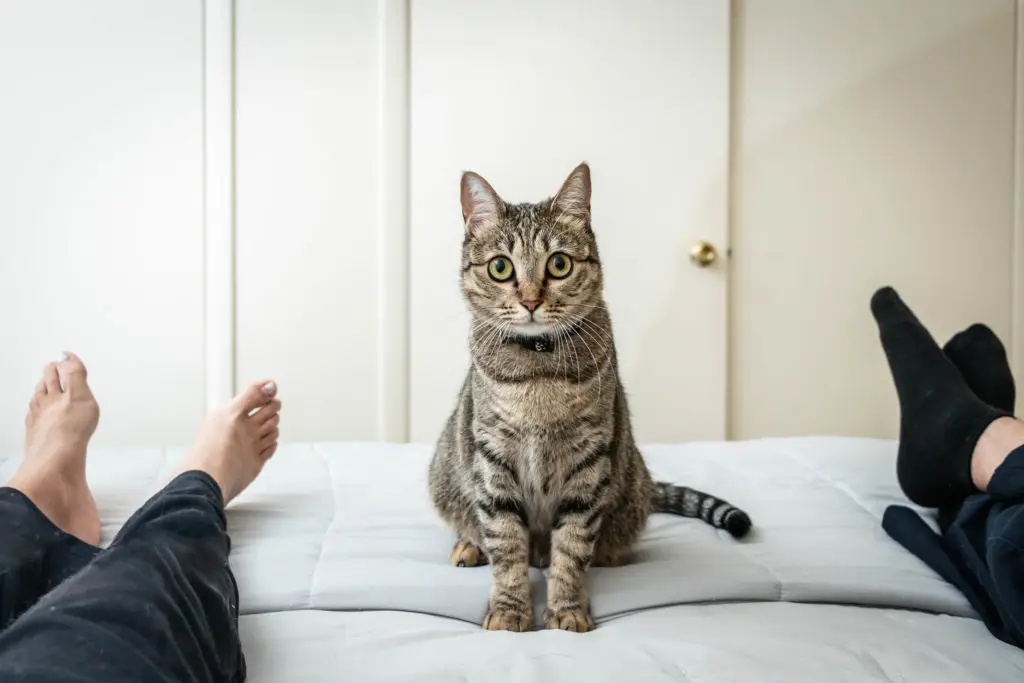
Girls occasional quick glance is normal environmental observation, but long, unmoving staring carries specific behavior meanings. A casual glance lasts only a few seconds with a relaxed body posture, showing just innocuous environmental curiosity without any special requests or emotions. On the other hand, an intentional fixed stare shows eyes wide focused, ears turned forward, and body concentrated tension, often slow blinking or gentle tail swaying, which is an active cat signal.
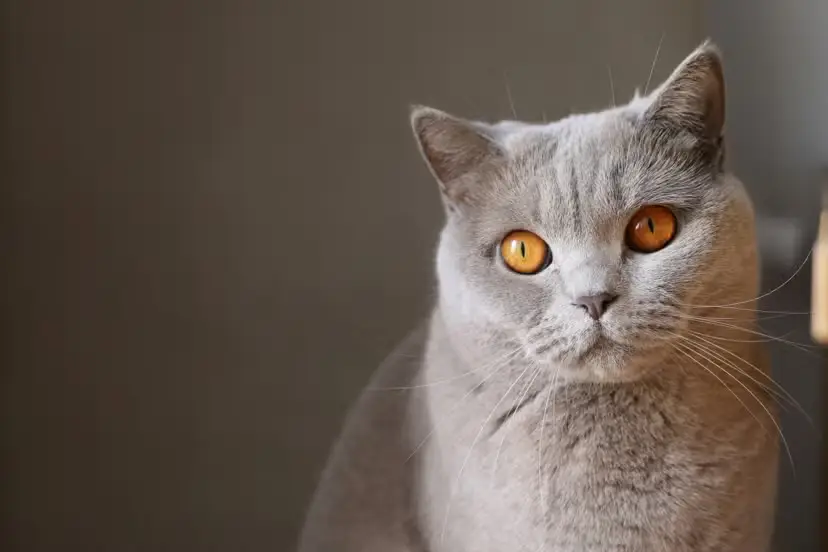
Pet owners should also look for stiff staring with dilated pupils and a lowered body posture, which is a sign of fear, tension, displeasure, and stress that needs immediate intervention.
2. Common Misunderstandings About Cat Staring Behavior
Most cat parents hold two typical misconceptions about feline staring. First, many people assume all cat stares mean affection and eagerness for cuddles, and they immediately touch or hold their cats without judging the situation. However, staring under vigilant conditions does not equal friendliness. Forced interaction will make cats nervous, triggering hissing, avoidance, or even scratching. Second, some owners believe prolonged staring means aggression and hostility. In fact, cats rarely attack their owners initiatively. Most staring behaviors are tentative observation, response waiting, or attention-seeking. Continuous misinterpretation will gradually erode mutual trust and make cats cold, introverted, and unwilling to interact.
3.Lesser-known Consequences of Disregarding Your Cat’s Staring Behavior
A cat uses staring as a way to communicate feelings and needs indirectly. Consistently ignoring this form of communication results in behavioral and physical problems. For instance, if you keep overlooking your cat’s staring which is trying to get your attention, your cat may become so disengaged that it will even stop making efforts to approach you. Besides, if you ignore your cat’s staring signals for food or a clean litter box, it might come up with ways that we disapprove of, such as inappropriate urination, loud meowing, and scratching furniture. Above all, ignoring staring signs indicating stress or illness will make the owners miss the early symptoms of stress and sickness in the cat, thus leading to late care and treatment and putting the cat’s physical and mental well-being at risk.
4. Standard Rules for Healthy Eye Contact and Interaction With Cats
The core principle of feline eye interaction is gentle response, no forced staring, and gradual communication. When your cat stares softly with slow blinking, you can blink slowly and speak gently to reply to their kindness and enhance intimacy. When your cat stares fixedly without extra movements, avoid sudden approaching or touching to prevent startling them. If your cat stares rigidly with dilated pupils, actively look away and keep a safe distance to relieve their tension. Matching your interaction rhythm to your cat’s eye signals creates a low-stress, comfortable living environment for your feline companion.
5.In what ways do age and personality influence a cat’s staring habits?
Age is a major factor in the way a cat stares. Kittens, being very inquisitive, often stare at their owners as a way of learning through observation and imitation; their eye movements are highly flexible and largely express playfulness and curiosity. Fully grown cats, which have well-balanced characters, do their staring with a clear purpose, mainly for food, social interaction, or recognizing one’s status, and their eye contact is both gentle and concentrated. Older cats not only move at a reduced pace but also tend to stare silently for a considerable time, a sign of their strong need for dependence and companionship. Regarding personality, needy and submissive cats stare softly quite often; shy and delicate cats stare more cautiously; and self-reliant and indifferent cats hardly ever watch their owners without prompting.
6. Cats vs. Dogs: Key Differences in Staring Behaviors
Dogs stare mainly for simple rewards, companionship, and affection, with straightforward and single emotions. In comparison, cat staring is more delicate and diverse, combining observation, tentative testing, emotional feedback, and daily demands. Dogs always appear relaxed and wag their tails while staring to take the initiative to please owners. Cats’ states change constantly during staring, switching between gentle relaxation, cautious vigilance, and quiet waiting. To sum up, dog staring represents pure dependence and flattery, while cat staring is a complex mix of observation, trust, and emotional appeal.
7. 7 Different Meanings of Cat Staring in Daily Scenarios
Combined with specific living scenarios, you can accurately interpret the 7 hidden behavioral signals of cat staring. Staring before mealtime means hunger and feeding reminders. Soft staring with slow blinking in leisure time expresses trust and sincere affection. Staring when you get home or sit still reflects curiosity and a desire for play and interaction. Quiet staring while you sleep means your cat is guarding you and confirming environmental safety. Motionless staring during physical discomfort is a helpless distress signal asking for care. Staring in strange or noisy environments shows dependence and a search for security. Fixed staring after making mistakes means observing your mood and fearing punishment.
8. How to Respond to Cat Stares to Strengthen Human-Cat Bond
Facing affectionate and trusting stares, you can respond with slow blinking, soft calling, and small treats to reinforce positive intimate interaction. When your cat stares to make reasonable requests such as feeding or litter cleaning, respond promptly and accompany them properly to meet their daily needs. For vigilant and tense staring, keep quiet, reduce sudden movements, and take the initiative to retreat to ease their anxiety. Consistently responding positively to every stare makes your cat feel valued, gradually becoming clingy, gentle, and fully trusting, and improving aloof and cold personalities.
9.Core Root Causes Behind a Cat’s Staring Instinct
There are two main reasons that a cat staring often is one of the natural habits for cats. Firstly, it is an inborn survival instinct. Since cats by nature are very alert animals, they regularly watch their main companions to ensure the safety of their environment. Because their human family is both their home and protector, owners become their primary source of observation. Secondly, it is a way of expressing emotions and making requests. Since cats trust and depend on their human friends very strongly, they use eye contact to communicate feelings and express needs. Actually, cats do not stare for no reason; each look is their personal way of sharing and bonding with you.
10. FAQs About Why Cats Stare At Their Owners
Q1: Does constant staring mean my cat wants to attack me?
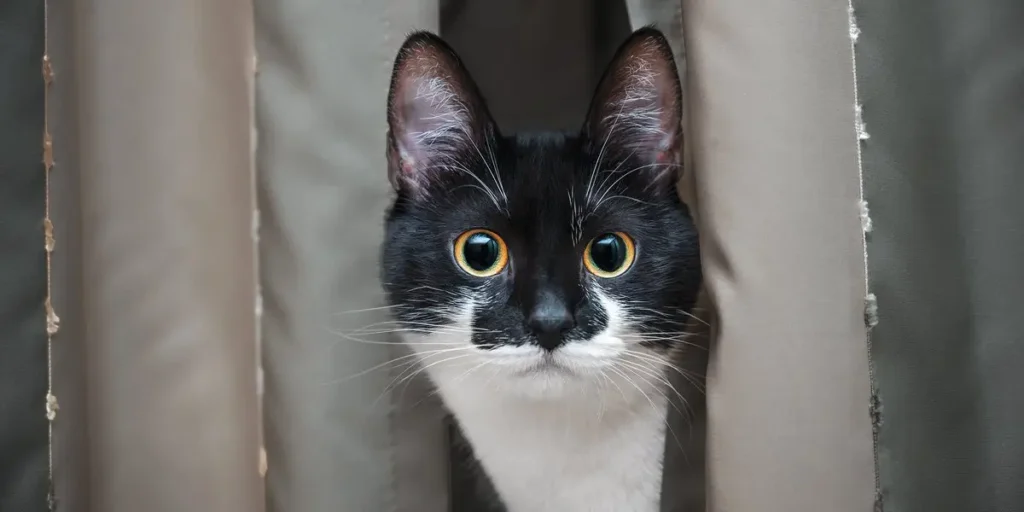
A: Almost never. Only rigid staring with dilated pupils, stiff bodies, and flattened ears represents tension and vigilance, not active aggression. Most soft and gentle stares are clear signs of trust and closeness.
Q2: What does it mean when my cat stares at me while I sleep?
A: It is a strong sign of extreme trust. Cats are most vulnerable and defenseless during sleep. Staring at their sleeping owner means they fully trust your protection and are quietly accompanying and guarding you throughout the night.