Why Do Senior Cats Meow at Night? Common Causes & Care Tips

Almost all cat owners are faced with a common and very annoying problem: they calm down and quiet single cats, start meowing too much, pacing up and down, and not wanting to sleep through the night. As a result of this disturbing behavior, household rest is disturbed, and older cats are left looking anxious and unsettled. Most pet parents think that senior cats are just misbehaving, attention-seeking, or have a reversed sleep schedule, so they react by scolding, ignoring, or making them sleep. But with senior feline care, excessive nighttime meowing is not a bad habit—it is a distress signal caused by physical pain, cognitive decline, anxiety, or fading senses. In the absence of regular attention, sleep disruption becomes chronic, and bodily functions decline resulting in a drastic reduction in the quality of life of aging cats. This article describes the major reasons for senior cat vocalization at night and provides gentle, scientifically proven nighttime care solutions.
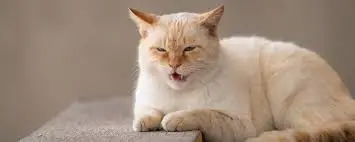
1.Normal Night Waking vs. Abnormal Night Meowing in Senior Cats
Occasional night waking combined with lighter sleep is a relatively normal aging process in cats. Those with good sleeping habits may only wake up momentarily at night, freshen themselves, and perhaps walk around the house before moving quietly back to their beds. They show steady appetite, energy, and mood levels throughout the day without loud vocalization. On the contrary, persistent night vocalization is a sign of an unhealthy problem. Cats that are ill in this way will wail loudly without a break, move about in a restless manner, unnerve themselves by pacing in circles, and generally refuse sleep all night. During the day, they will seem worn out and tired. In short, a few times waking at night is only a small change in the routine due to aging while continuous meowing at night is a symptom of physical discomfort or cognitive decline and should be addressed without delay.
2. Common Mistakes in Caring for Noisy Senior Cats at Night
Behavioral issues related to night-time in aged cats are mainly due to the owners’ incorrect reactions. The top error is to scold, shout or to physically hit gently the cats to get them to stop meowing. Due to their mental incapacity, senior cats will not be able to understand the disciplinary message in words and will think themselves to be getting even more scared, thus increasing to even greater heights their night time anxiety. Overfeeding as a measure of calming a cat is another typical mistake. Giving the cat the food or snack it is asking for at the moment of time its crying is a sure way to idle it down but one is at the risk of digestive troubles, obesity, and pancreatitis over time. Besides that, it is a great number of owners who ignore the behavior deciding that one cannot help it that the restlessness is a part of aging the cat and not understanding that the cat might be in pain or have cognitive dysfunction. Then again, moving the bed frequently, switching the night light many times and irregular daily schedules spoil the aging cat’s biological clock and increase nocturnal howling.
3.Hidden Harms of Persistent Nighttime Meowing in Senior Cats
Repeated disruptions of sleep and nocturnal restlessness lay senior cats open to extremely damaging effects both physically and mentally. On the one hand, the body of geriatric cats is already with less efficient functioning of organs. The resulting poor sleep, correspondingly, decreases the immune system efficiency, changes the appetite and may lead to rapid weight loss which, in turn, increases the pressure on the kidneys, the heart and the joints. Besides, if the cause of night meowing is a disease, lack of treatment may, in fact, turn initial mild signs into severe and chronic conditions. On the other hand, mentally, the night producing a cat time into confusion, fear and stress on a regular basis, will also lead to increased emotional sensitivity and shyness. Besides, it accelerates cognitive decline, causes a more profound day/night reversal and accounts for a significant decrease in senior cats’ quality of life during their last years.
4. Standard Night Care Principles for Aging Cats
Standard senior cats night care is fundamentally about disease detection, routine ordinariness, minimal arousal, and maximized safety. The first step would be to exclude the possibility of hidden physical sicknesses like chronic pain, organ failure, changes in thyroid function, and feline cognitive dysfunction. Then integrate fixed times for feeding, play, and sleeping so as to make your cat’s circadian rhythm more predictable and stable. Besides, for night time keep the indoor environment dim and quiet and refrain from sudden light, noise, or other disturbances. Also, keep your cat’s sleeping place intact with familiar bedding and scents in order to construct a safe and secure resting space. Limit to a minimum changes in the night-time environment, loud noises, and bright stimuli so as to aid elder cats in recovering steady, healthy sleep patterns in a very gentle manner.
5.How Age and Health Conditions Affect Senior Cats’ Nighttime Behavior
At seven years old, cats reach their senior stage and symptoms of aging become more detectable around 10 years old. Older middle-aged senior cats 7 to 9 years may experience night restlessness due to minor physical discomfort and changes in their daily schedule. Seniors cats over 10 years old suffer from severe sensory impairment, reduced eyesight and hearing, as well as rapid dementia, which makes them highly susceptible to nighttime meowing. Senior cats with kidney illness, hyperthyroidism, arthritis, high blood pressure, and dental problems experience exacerbated pain and discomfort at night, resulting to vocalization quite often. Cats that are frail, shy or isolated also tend to cry at night seeking company and assurance because of a feeling of insecurity.
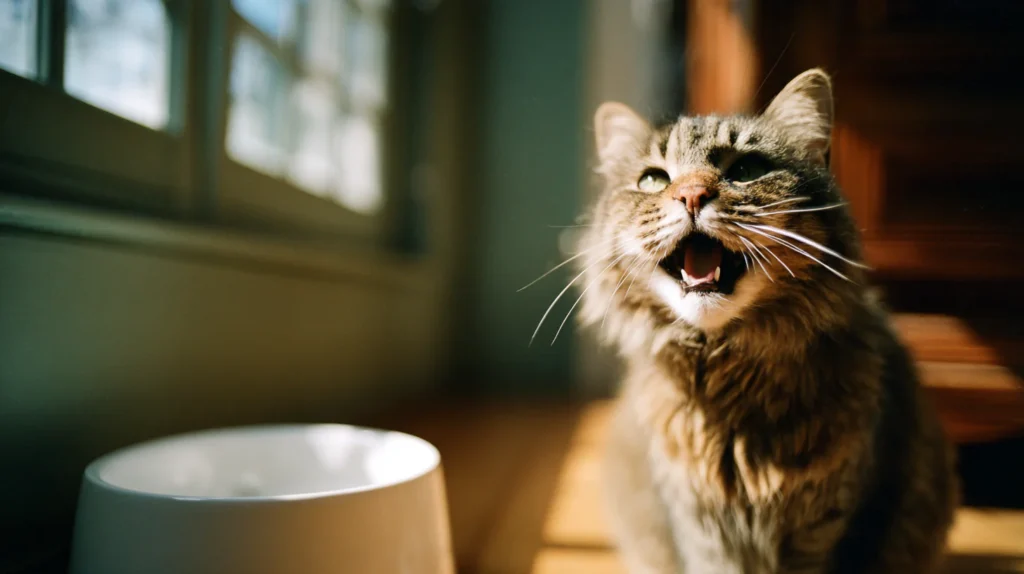
6. Physical Illness vs. Cognitive Disorders: How Behavior is Different
If a cat is meowing at night because of physical pain, its cries will be sharp and hoarse, and the cat may also be seen pacing restlessly, trembling, changing beds frequently, and showing a reluctance to lie down completely. Daytime symptoms of a diseased cat include low energy, poor appetite, excessive thirst, weight loss, and vomiting. Whereas communication at night due to cognitive decline or emotional stress is usually soft and confused. Cats affected by this issue often wander the house with blank stares, have a very bad day-night reversal, and they are active during the night and sleep during the day, without showing any indication of physical pain. Knowing these two different reactions is important for effective treatment and care.
7.Early Warning Signs of Nighttime Discomfort in Senior Cats
Night meowing is just one of the symptoms. Senior cats aged problems express themselves through several signs if they are in pain or discomfort due to aging. Physical aspects are, e.g., frequent waking during the night, drinking too much, going to the toilet more often, losing weight, and irregular breathing. Behavioral aspects are self-damaging repetitive circling, staring, meowing at the walls or empty spaces, continual changing of beds, and the extreme refusal of resting. Mental and emotional aspects are sleeping during the day, being very active during the night, slow reaction, absence of expression in the eyes, and being highly dependent and clingy.
In addition, changes in diet such as frequent night-time calling and irregular appetite are further signals of deteriorating health and resulting discomfort.
8. Practical Care Methods to Reduce Senior Cat Night Meowing
Step one, arrange the senior cat full health screening regular visits emphasizing kidney function, thyroid levels, blood pressure, joints, and oral health, which can identify medical causes for night crying. Step two, change daily schedule with the help of moderate daytime play and time spent in sunlight so as to prevent cat from oversleeping and reversal of day-night cycle. Step three, give small piece of meal before sleep and warm water to stop night waking caused by hunger or thirst. Step four, the cat’s bed should be kept unchanged so that familiar blankets and scents remain and thereby enhance security during the night. Step five, a soft night light can be used when eyes of the cat get more and more blind. Step six, make a calm night environment by switching off noisy electrical appliances and by not letting eyes be stimulated by bright and strong light. Step seven, help your very old cat be comfortable with soft and good manners instead of angry words to, in the end, bring about proper night and day sleep cycles.
9. Core Root Causes of Frequent Night Meowing in Senior Cats
Persistent nighttime vocalization in senior cats stems from two major root causes. The first is physical aging and chronic pain. Degenerating organs, joint soreness, and hormonal imbalances become more noticeable in quiet nighttime environments, causing ongoing discomfort that prevents rest and prompts crying. The second is neurological and psychological aging. Elderly cats develop feline cognitive dysfunction, similar to human dementia, leading to confused day-night perception and lost spatial awareness. Poor eyesight and hearing amplify nighttime fear and disorientation, forming a lifelong habit of anxious nighttime meowing.
10. FAQs About Night Care for Vocal Senior Cats
Q1: Is nighttime meowing a normal part of aging for senior cats?
A: Occasional mild night crying is a minor aging change, but frequent all-night vocalization is abnormal. It is usually triggered by underlying pain, cognitive decline, or disrupted sleep cycles and requires veterinary checks and scientific care instead of neglect.
Q2: Is letting a senior cat sleep in the bedroom helpful for reducing night meowing?
A: Yes. Familiar owner scents significantly enhance senior cats’ sense of security and effectively reduce confusion-driven nighttime anxiety and crying. It is an ideal gentle care method as long as the nighttime environment remains quiet.