Do Dogs Get Jealous of New Pets? Complete Guide to Behavioral Changes in Multi-Pet Households

It’s not unusual for dog owners to see a major change in their dog’s behavior after they have brought home a new puppy, adult dog, or a cat. Some of the common changes are the dog becoming too clingy, constantly seeking attention, barking all the time, having accidents inside, destructive chewing, and aggressive behavior towards the new animal. Many pet owners wonder: really, do dogs get jealous when a new pet is introduced to the family? Modern pet behavioral science and veterinary research say that dogs have strong possessive instincts, are aware of the pack, and have complex emotional cognition, which makes them very vulnerable to jealousy and insecurity.
In fact, most of the abnormal behaviors that happen in homes with more than one pet are a result of jealousy in dogs, separation anxiety, and fear of losing attention and resources. Becoming aware of these emotional changes and using scientifically proven introduction and integration methods can go a long way in reducing pet conflicts, stress-related illnesses, and even behavior problems.
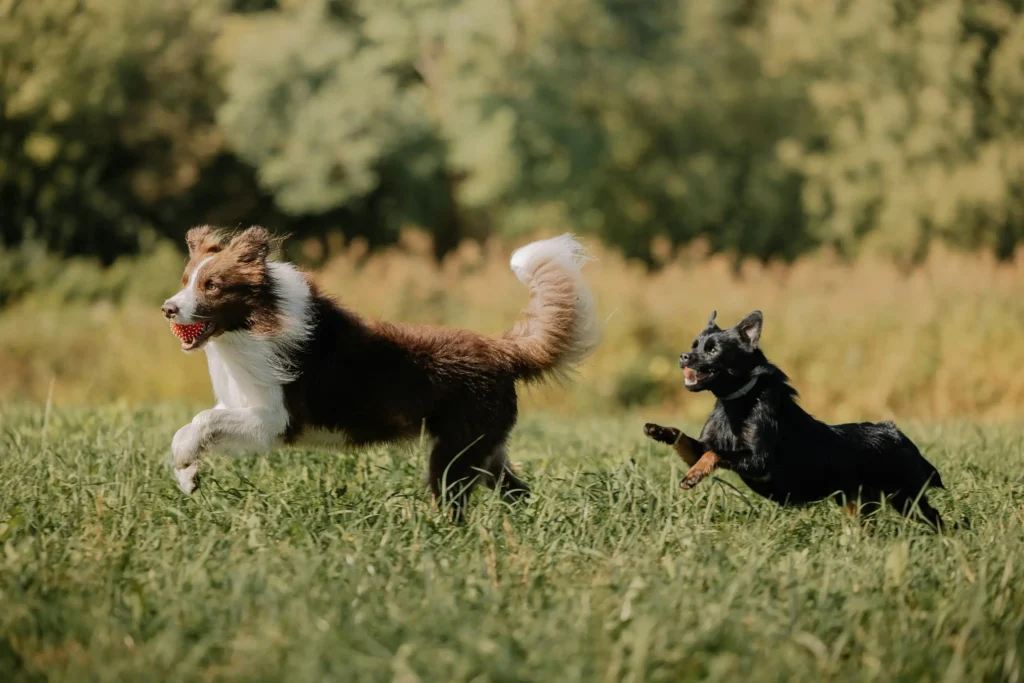
1.Normal Adaptation vs. Jealousy: How to Identify a Dog’s True Emotional State
Feeling a bit different and acting a bit differently are perfectly normal after you bring a new family member home, and changes are not limited to jealousy signs only. The main task of dog holders is to separate a mere adaptation phase from jealousy features and very strong anxiety cases to avoid both excessive corrections and overlooked emotional sufferings. A normal adjustment period solely consists of a short-time interest and heightened watchfulness with no alteration in eating, sleeping, or character. Usually, most dogs can work it out without owner intervention by the 3rd to 5th day.
On the other hand, mild jealousy is shown by more clingy behavior, asking for attention more often, and little resource guarding episodes without any aggressive behavior, destructiveness, or accidents. And, finally, a pathological jealous anxiety will be marked by continued irritability, outright rejection of the newcomer, incessant barking, indoor potty accidents, lack of appetite, and depression so that behavioral treatment will be a must.
2.Major Blunders in Multi-Pet Care That Aggravate Jealousy and Anxiety in Dogs
Usually, very jealous actions in dogs do not come from them being naturally mean; in fact, they are most often caused or made worse by the owner’s wrong habits. The typical error is giving a new pet too much attention through petting, treats, and praise while at the same time neglecting the owner dog, which results in a strong feeling of emotional loss and fear of being abandoned. Trying to physically connect new and resident dogs at once only raises territorial fear even more. Besides, when toys, beds, and food are unequally distributed and dogs being scolded or punished for jealous displays, simple envy gradually changes into long-term hostility and territorial aggression.
3.Hidden Dangers of Long-Term Jealousy and Chronic Stress in Dogs
Temporary jealous moods are easily calmed while the effects of long-term repressed stress are very detrimental to dogs both physically and mentally. Behaviorally, cycles of jealousy lock in unwanted behaviors such as guarding of resources, fighting, destructive chewing, and inappropriate elimination. Dogs turn inward mentally, becoming suspicious, ill-tempered, shy, and anxiety-prone with worsen temperament. Physiologically, long-term emotional repression damages immune system, alters intake of food and sleep pattern, and leads to gastrointestinal disorders, stress shedding, and skin problems. If no action is taken, conflicts among pets will continue to increase, result in serious wounds, and permanently ending the multi-pet household harmonious coexistence.
4. Standard Care & Integration Rules for Introducing New Pets
The core principles of successful multi-pet integration are prioritizing resident dog security, equal resource allocation, and low-stress gradual adaptation. Owners must preserve the resident dog’s original companionship time, feeding priority, exclusive toys, and private resting space. Use segmented isolation during the initial adaptation phase to avoid direct conflict. Practice equal interaction without comparison, favoritism, or biased attention. Respond to mild jealous behavior with positive redirection instead of punishment or neglect. Maintaining a stable daily routine creates a fair, secure environment for both new and resident pets.
5. How Age and Personality Impact a Dog’s Jealous Tendencies
Age significantly influences canine emotional responses to new pets. Puppies have immature cognition, strong curiosity, and high acceptance, showing minimal jealousy and fast adaptation. Adult dogs with mature territorial awareness and strong owner attachment are the most prone to intense jealousy, competition, and rejection behavior. Senior dogs are calm yet emotionally vulnerable, often developing loneliness, depression, inactivity, and appetite loss after new pet arrivals. In terms of personality, clingy, dependent, and sensitive dogs experience stronger jealousy and anxiety, while independent, bold, and easygoing dogs show milder emotional fluctuations and higher tolerance.
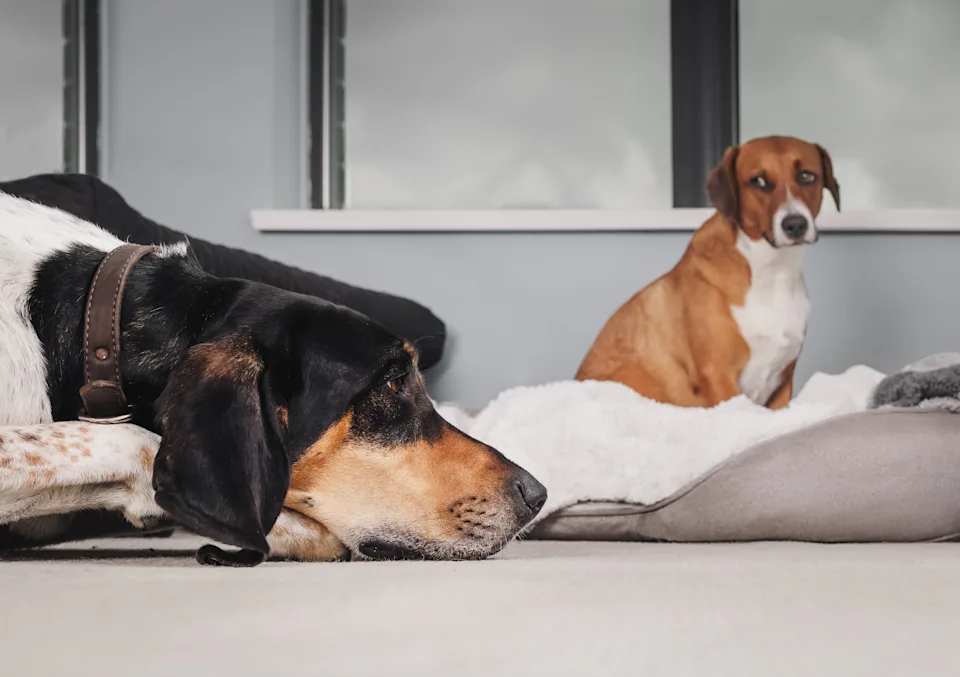
6. Dog vs. Cat Jealousy: Key Behavioral Differences in Multi-Pet Homes
Canine jealousy is overt and action-driven, expressed through clinginess, loud barking, active competition, destruction, and direct confrontation to regain owner attention. Feline jealousy is typically covert and passive, displaying as hiding, avoidance, stress urination, and excessive grooming. In mixed dog-and-cat households, dogs often initiate contact or confrontation, while cats respond with avoidance or self-defense. Cross-species integration requires longer adaptation cycles and stricter supervision compared to single-species multi-pet families due to higher conflict risks.
7. How Different Introduction Scenarios Affect Canine Emotions
Abrupt, unplanned cohabitation with zero transition triggers explosive jealousy and territorial fear in resident dogs. Gradual scent familiarization and controlled distant contact greatly reduce emotional stress. Households where owners overly dote on new pets see severe resident dog anxiety, while stable routines with priority care for original pets accelerate harmonious integration. Dogs raised as single pets with no previous companion experience display far stronger jealous reactions than dogs from multi-pet backgrounds.
8. Scientific Pet Integration Process to Eliminate Jealousy and Rejection
Follow this four-step gradual integration process to minimize canine jealousy and fear. First, implement isolated scent exchange by swapping bedding and toys to eliminate unfamiliarity. Second, allow visual contact with physical separation to build mutual tolerance safely. Third, conduct short supervised face-to-face interactions, rewarding calm and gentle behavior instantly. Fourth, achieve full unrestricted cohabitation with continuous positive reinforcement. This systematic method effectively eliminates jealousy, defensiveness, and inter-pet hostility.
9.Root Causes of Dog Jealousy + Practical Behavior Improvement Tips
Dog jealousy typically stems from two main reasons: firstly, dogs being possessive not only about their owners but also about their territories which leads to them becoming afraid of the situation where resources have to be shared resulting in them losing attention; secondly, unexpected changes in the environment which make the dog feel insecure and stressed.
One of the ways to curb jealous behavior is by ensuring that both pets have equal and independent resources like eating, playing, and sleeping areas. Make it a habit to first acknowledge and give attention to the dog that has been living there before bringing the new pet. Whenever you see that the jealous behavior is escalating, give the dog a toy or a treat and at the same time keep rewarding interactions that are tolerant and calm. By doing away with favoritism and comparing, you are giving the dog a stable sense of security which in turn helps to solve jealousy from the root.

10. FAQs About Dog Jealousy and Multi-Pet Household Harmony
Q1: Will a dog’s jealousy toward a new pet last forever?
A: No. With scientific integration, equal treatment, and stable routines, most dogs fully adapt to new companions within 1 to 2 weeks and achieve complete harmony in approximately one month. Poor raising habits are the main cause of long-term fixed jealous behavioral issues.
Q2: Should you scold a dog for bullying a new pet out of jealousy?
A: Scolding and punishment are not recommended. Harsh correction increases a dog’s grievance and stress, worsening inter-pet hostility. The correct approach is timely isolation, positive behavioral guidance, fair resource distribution, and emotional soothing to eliminate jealous motives fundamentally.