Can Dogs Sense Their Owner’s Emotions? Scientific Explanation of Pet Empathy

Most dog owners have experienced heartwarming moments: when you feel sad, anxious, exhausted, or emotionally upset, your dog will actively approach you, snuggle quietly, nudge your hands gently, and even stop playing to stay by your side. Many pet parents believe their dogs understand human feelings and feel sympathetic toward them. From the perspective of animal behavior and scientific research, dogs possess powerful emotional recognition and pet empathy abilities, allowing them to accurately capture their owner’s moods and respond with comforting behaviors. Dogs can read facial expressions, distinguish tone changes, and detect subtle physical fluctuations in humans, which explains why they are widely recognized as humanity’s most loyal and emotional companion animals.

1.Coincidence or Real Empathy: How Dogs Recognize Human Emotions
Quite a few pet owners get puzzled by their dog when it consoles them as if the dog empathizes with the owners, or that it is just mere coincidence that they notice and respond to the affection of the owners. Random cuddling is the behavior of randomly seeking attention and petting by dogs without the consideration of the owner’s emotional state. On the other hand, true empathy in dogs is very specific as it is only triggered when the owners show their emotions like sadness, anger, anxiety, and depression.
2.Common Misconceptions About Canine Empathy Behaviors
Two major misconceptions most dog owners have regarding dogs’ empathy. Firstly, the majority of people are convinced that dogs do not have the ability to comprehend human emotions and therefore, they interpret all acts of comforting as mere instinctual cuddling, overlooking dogs’ sensitive emotional perception. Secondly, the most detrimental misconception is punishing or rejecting dogs when they are in a bad mood. If your dog comes to you for comfort when you’re frustrated or angry, scolding and pushing away will confuse them a lot. Since they cannot comprehend emotional venting, dogs conclude that they have done something wrong. Continued misunderstanding and punishment lead to dogs becoming fearful, insecure, and unwilling to interact, thereby their natural empathetic instincts being diminished.
3. Hidden Impacts of Negative Owner Emotions on Dogs
Empathy of dogs does not only involve sensing owners’ feelings but also, unfortunately, their owners’ bad moods can have serious impacts on dogs. Regular anxiety, irritability, and depression of the owner can be a source of constant emotional stress for the dog, ultimately leading to chronic tension, fear, and increased sensitivity. Prolonged exposure to the negative emotions of the household can easily result in dogs showing signs of stress such as loss of appetite, insomnia, over-grooming, and trembling. And if the stress is not addressed, it might even lead to diminished immunity, gastrointestinal issues, and depression. There is no doubt a person’s emotional wellbeing has a direct influence on their dog’s character and mental health.
4.Standard Rules for Positive Emotional Interaction With Dogs
You can positively strengthen the human-dog relationship through the mutual exchange of positive emotions and the ability to emotionally tolerate each other. For instance, you can create safety and trust in your dog by keeping your own emotional state stable, engaging in play, petting, or giving verbal praise. In case you experience a low emotional state or irritability, you should avoid “venting” your negative emotions on your dog, and when they try to comfort you, give them gentle feedback to accept their attempts at comforting you. You can also lower a dog’s psychological pressure by reducing household shouting, losing temper, and emotional outbursts.
A calm, warm, and positive family environment cultivates stable, cheerful dog temperaments and enhances their delicate emotional empathy capabilities. The positive and emotional tensions exerted by the involved human interactions are also believed to be the most effective in emotionally developing a dog.
5. How Age and Breed Influence a Dog’s Empathy Ability
Changes in brain morphology during development is one of the potential underlying mechanisms responsible for age-related decline in dogs’ cognitive abilities, including memory and problem-solving skills.
Age is a huge influencer of canine emotional perception. For instance, due to shortage in their cognition and brain development, puppies are not really good at sympathizing with others; they usually do show emotional reactions though, which are obvious behaviors like clinginess and playfulness, i.e., their regular and natural instinct-driven behavior. Dogs at the mature age of mental development and abundant companionship have the utmost level of empathy, accurately differentiating the owner’s happiness, sadness, anger, and tiredness. Senior dogs have excellent senses and serene characters, and they provide their owners with old, mellow and quiet forms of emotional support. More generally, in terms of breed, companion dogs such as Golden Retrievers, Labradors, Corgis, and Poodles have very high degrees of sensitivity to emotions, and they are very empathic. Guard and working dogs, by comparison, have shown calmer and more reserved ways of demonstrating empathy, yet they are also well able to detect changes in the emotional states of humans.
6.Dog vs. Cat: Key Differences in Pet Emotional Empathy
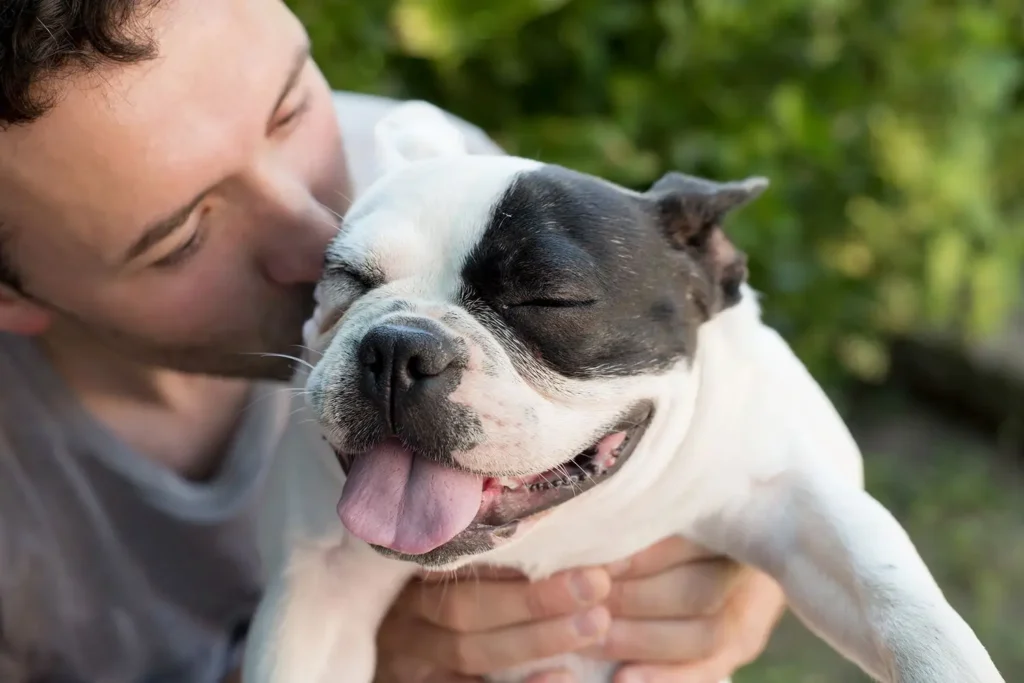
Dogs, being social animals in packs, have an inherent natural bonding and empathetic communication with humans. They instinctively, and quite visibly with a deep sense of emotion, comfort, hug and calm down their disturbed owners which eventually lead to reciprocal emotional ties. Cats, on the other hand, are lone animals and have a very limited form of empathy. They might sense when a human changes moods but most of the time they stay on the sidelines and the definite comforting act is rare if not completely missing.
Simply put, the empathic dog acts as an affirming source of healing, a counterpart, human connection; the empathic cat is a quiet watcher, a non-verbal partner. This core difference is also the reason dogs are able to be such remarkable emotional support providers and mental companions.
7. Specific Dog Reactions to Different Owner Emotions
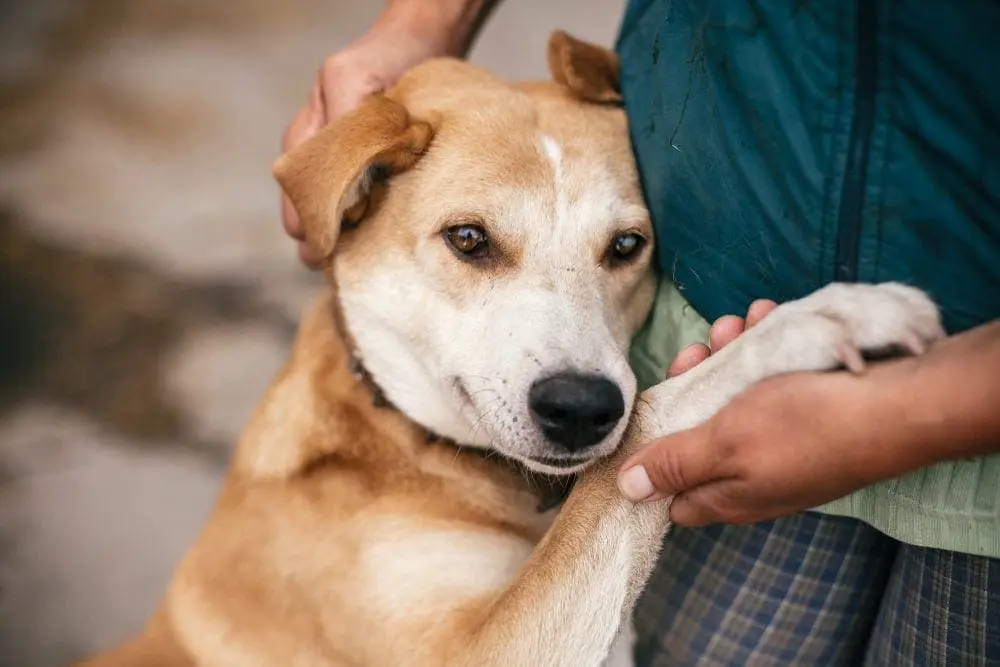
Dogs do not let their owners’ emotional changes go unnoticed and even go as far as adjusting their behavior based on them. For instance, if the owners are happy and at ease, dogs show their happiness through tail wagging, jumping around and generally have a lot of face-time with their humans. If there is crying or sadness, the dog will comfort the owner by getting as close as possible licking the tears and maintaining silence. In a case of owner being angry or irritable, dogs respond by holding back on their energy, walking slowly and at the same time observing the situation carefully to the point of not even making an attempt to get the owners’ attention. When owner is in a state of fatigue or depression, dog choose to just be there for them lying down quietly next to the person, without the need of words.
8. How to Nurture Canine Empathy and Strengthen Human-Dog Bonds
While some dogs are born with sensitive empathy, most emotional perception skills develop through long-term companionship. Maintain consistent one-on-one interaction, frequent gentle petting, and daily communication to help your dog become familiar with your tone and emotional changes. Avoid frequent scolding, punishment, and cold treatment to build a safe interaction atmosphere. When your dog comforts you during emotional fluctuations, respond warmly and offer small treats as positive reinforcement to encourage empathetic behavior. Long-term stable and gentle companionship sharpens a dog’s emotional sensitivity and deepens intimate human-dog connections.
9. Core Scientific Reasons Behind a Dog’s Empathy Instinct
Scientific studies confirm two core reasons for canine empathy. First, thousands of years of human domestication have genetically optimized dogs’ emotional recognition systems, enabling them to interpret human facial expressions, vocal tones, and body language. Second, dogs possess superior sensory capabilities that detect subtle human physiological changes, including fluctuations in heart rate, body temperature, and stress hormones, distinguishing positive and negative emotions accurately. Combined with their innate loyalty and dependence on humans, dogs form unique emotional cognition and powerful healing empathy.
10. FAQs About Dogs Sensing Human Emotions
Q1: Do dogs truly understand human emotions, or is it just conditioned reflex?
A: It is genuine empathy rather than mechanical conditioned behavior. Multiple animal behavior studies prove dogs can independently recognize human happiness, anger, sadness, and joy, distinguish emotional tone differences, and take initiative to comfort upset owners with targeted responses.
Q2: Can an owner’s negative mood affect a dog’s personality?
A: Yes. Long-term exposure to an owner’s negative emotions causes dogs to become anxious, sensitive, timid, and depressed. Chronic emotional stress damages their mental and physical health. Maintaining a positive household atmosphere benefits both canine well-being and human-dog relationships.