Are Indoor Cats Truly Happy? 8 Practical Ways to Improve Their Quality of Life

Most domestic cats nowadays live indoors only. A lot of cat owners think that if their cats have enough food, clean water, and a safe house, then they are happy and content. In fact, indoor cats, even though their basic needs for survival are met, often have limited movement, lack of sensory stimulation, and energy which is stored up. According to professional research in the field of cat behavior, cats that are kept in long-term, enclosed indoor environments suffer very often from chronic boredom, emotional repression, and hidden anxiety. Physical and mental health, to a great extent, depends on environmental enrichment and lifestyle optimization beyond basic care, thus enabling the expression of natural feline instincts. This article discusses 8 ways that can help an indoor cat live a significantly better and happier life.
1.Safe Living vs. True Happiness: How to Know an Indoor Cat’s Mood
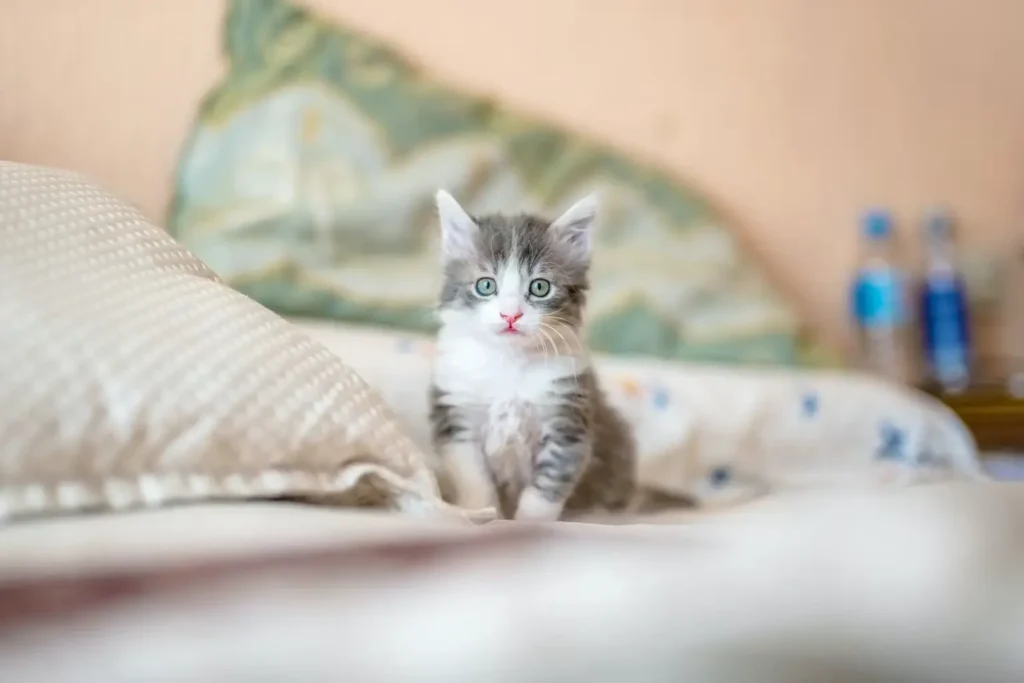
Most people think that a stable survival environment is the same as a cat being really happy emotionally. Having a set schedule and enough resources are just the basics that keep a cat alive, but they do not address what a cat wants emotionally. A cat that is kept indoors and is miserable will often sleep too much, be inactive, disregard toys, and respond slowly to things around it. On the other hand, a cat that is really happy indoors will keep a well-balanced schedule of doing and resting. They will play to their full extent, look around the home, and desire the company of their owners. The best evidence of good emotional health in cats living indoors are their bright eyes, inquisitive behaviors, and frequent interactions with the environment.
2. Common Indoor Cat Care Mistakes That Lower Feline Happiness
Indoors cats’ emotional and behavioral problems are mostly caused by wrong upbringing methods. The biggest is passive keeping: many owners only feed and clean the litter without giving the cats interactions and environmental enrichment. Besides, not allowing cats to climb, jump, or explore results in cats being stuck in a dull environment. Furthermore, changing schedules of owners, silent and lifeless homes, single and repetitive diets, and unchanged toys and layouts make cats gradually feel that they have no entertainment and are not living to their full potential. These tiny mistakes we make day after day are reducing an indoor cat’s long-term feeling of happiness and security.
3.Hidden Dangers of Long-Term Enclosed Indoor Cat Keeping
Keeping a cat confined indoors with very little stimulation over a long period of time will result in physical and mental health issues in cats. On the psychological front, long-term boredom can lead to the emotional shutting down of cats, becoming so withdrawn from the humans around them that they act all the more aloof and distant. Several indoor cats have been observed adopting repetitive stereotypical behaviors such as non-stop pacing, over grooming and scratching themselves till the fur starts falling out. Lack of exercise which is one of the consequences of being indoors all the time leads to weight gain, badly functioning digestion system, loss of appetite and ultimately the immune system also becoming quite weak. Besides these, living indoors while the natural instincts of hunting and exploring are being kept at bay results in stress which is the main reason for the anxiety disorders and physical chronic type of illnesses that indoor cats can usually get exposed to.
4. Core Standards for High-Quality Indoor Cat Care
To provide the best care for an indoor cat, it is necessary to focus on health for survival, fulfillment of instincts, and emotional well-being. Basic needs should be met with proper food, water, and sanitation. To change the unchanging flat environmental condition, owners have to provide three-dimensional spaces for climbing, hiding, and exploring. From an emotional perspective, regular interactions through play can be one of the sources through which cats can not only release their built-up energy but also get a chance to live out their natural hunting as well as social instincts. The most important thing about raising indoor cats is that one should do so in a way that they are not suppressed, bored, and neglected at least. That means making a safe and lively space for cats so that they have freedom to naturally express themselves through their behaviors.
5.How Age and Personality Affect Indoor Cats’ Emotional Needs
Age is a major factor in changing an indoor cat’s requirements for happiness. Kittens, being full of energy and inquisitiveness, require much play and exploration space to help them stay out of boredom and keep them from getting into destructive behaviour. Adult cats, having a mature the wonderfulness, need regular socialization and change of environment to avoid emotional stagnation. Elderly cats are fond of quiet and cozy environment and a gentle companion, they are not very tolerant of a noisy or a frequently changing environment.
As per personality, high spirited and playful cats will need more of the varied and stimulating environments while calm and independent cats will only require a stable, stress-free atmosphere.
6. Indoor Cats vs Outdoor Cats: Lifestyle and Emotional Differences
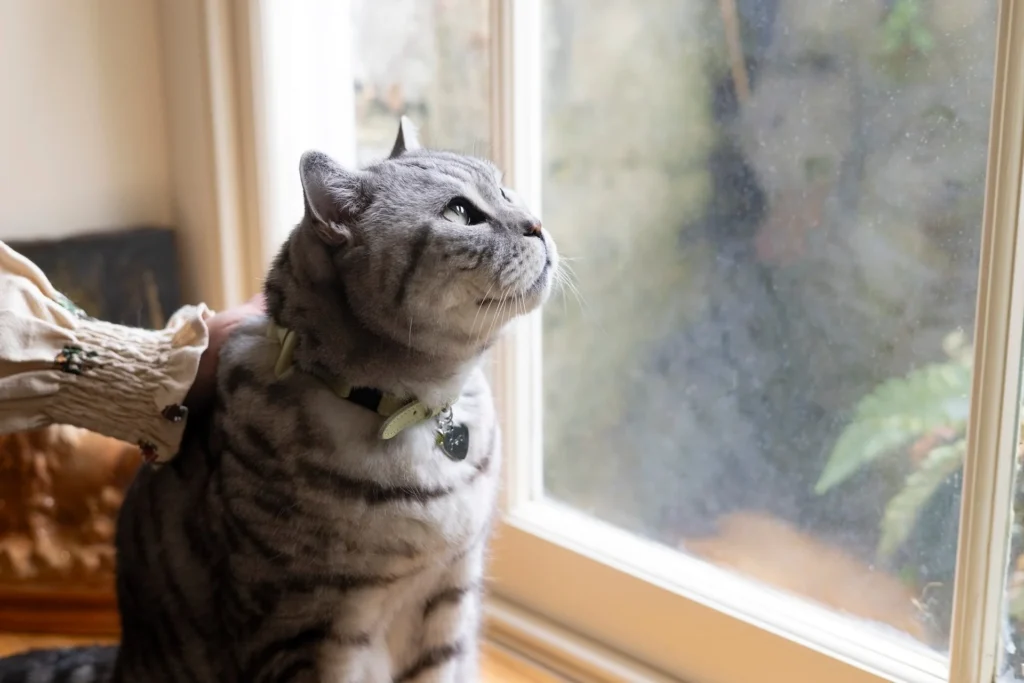
Outdoor free-roaming cats have the advantage of full liberty to run, hunt, and explore the nature. This to a great extent caters to their natural instincts. On the other hand, exposure to risks due to accidents, infectious diseases, encounters with poison, and injuries caused by fights are all issues that outdoor cats face. Completely indoor cats on the other hand enjoy safety, hygiene, and longer lifespans but are deprived of the natural instinct outlets and are subjected to dull or monotonous daily lives, which are quite liable to bring about psychological stress.
In a nutshell, freedom-loving outdoor catsare risking safety, whereas indoor cats are securing health at the expense of stimulus. A top-notch indoor cat raising is one which intends to provide a household environment which is safe and at the same time it brings the feel and the enrichment of outing-in-the-garden to the cat.
7.Common Behavioral Signs of an Unhappy Indoor Cat
Cats who are unhappy but stay indoors surely cannot tell us through words in fact they use their given behavior to signal the emotion that lies beneath. We can say the basic indicators of the cat being in this state of the mood are the cat sleeping a lot, staring blankly, and also unavailable even for treats and toys. Scratching the furniture regularly, acting destructively, and suddenly running around at midnight are the ways cats express stress which is also a sign of them being bored and full of energy. Over-grooming, gradually losing hair, and having an eating pattern that is not stable are the ways cats express having anxiety for a long time and keeping their feelings to themselves. In fact, not only these but also purposely staying away from the owners, less talking, and hiding for a long time in corners are the behaviors that show that the cat is not happy and changes need to be made soon.
8. 8 Effective Ways to Boost an Indoor Cat’s Quality of Life
Installing cat trees along with jumping platforms is the first step to get a three-dimensional activity space and through it, cats will be able to satisfy their climbing instincts. Second, keep changing different types of toys including wand toys, food-dispensing puzzles, and chew toys to keep boredom at bay. Third, make arrangements for 15 minutes of daily high-quality interactive play to mimic hunting scenes and get rid of the excess energy. Fourth, give cats the option to look outside by setting up window perches which also give visual stimulation. Fifth, giving cats the occasional freeze-dried snack complements their diet and also makes them happier. Sixth, if you want to meet the cat’s need for hiding and security surprise him with cat beds, cardboard boxes, and tunnel toys. Seventh, make sure that the cat’s emotions are kept steady by keeping a gentle companion and having a daily routine that is regular. Eighth, bring in changes in the layout of the house and add new decorations from time to time so that the natural desire for exploration is aroused in the cat.
9. Core Root Causes of Low Mood in Indoor Cats
Two fundamental reasons explain why indoor cats feel unhappy and unfulfilled. First, natural instincts are suppressed. Cats are born to explore, hunt, and run, but confined indoor spaces fail to meet these genetic needs, resulting in accumulated energy and repressed desires. Second, emotional needs are neglected. Most owners only focus on physical feeding while ignoring companionship, interaction, and environmental enrichment. When survival needs are satisfied but psychological needs remain unmet, indoor cats gradually fall into chronic boredom and low mood, leading to declining life quality.
10. FAQs About Indoor Cat Happiness and Daily Care
Q1: Do strictly indoor cats feel bored with their life?
A: Yes. Unchanging environments and lack of daily interaction easily cause chronic boredom, emotional depression, and repetitive stereotypical behaviors. Regular environmental enrichment and effective interaction are essential to maintain an indoor cat’s positive mood.
Q2: Do indoor cats need daily playtime with owners?
A: Absolutely necessary. Short daily high-quality play sessions help release pent-up energy, relieve anxiety, and prevent obesity, depression, and destructive habits. It is one of the simplest and most effective ways to improve an indoor cat’s happiness.