Do Pets Need Private Space? A Complete Guide to Building a Safe Rest Area

Many pet owners who have cats and dogs think that these animals are at their happiest when they stay close and get constant attention from humans. So, most of the time, these households let their pets follow them around all day, have frequent interactions, and even sleep beside their owners. But the majority of people forget an important fact: pets get stressed, mentally tired, and emotionally drained just like us, and they really need their private space for solitude, relaxation, and a break from the daily disturbances. Looking at the issue from a professional pet behavior angle, animals that have no private rest place and are constantly human-interrupted tend to show signs of anxiety, sensitivity, irritability, and chronic stress. Having a special and safe rest zone is something that a pet really cannot do without, it is not just a nice-to-have luxury. This article shines light on the importance of private space for pets, and gives a complete guide on how to make a safe indoor resting area at home.
1.Constant Companionship vs. Solitude Rest: Key Behavioral Differences
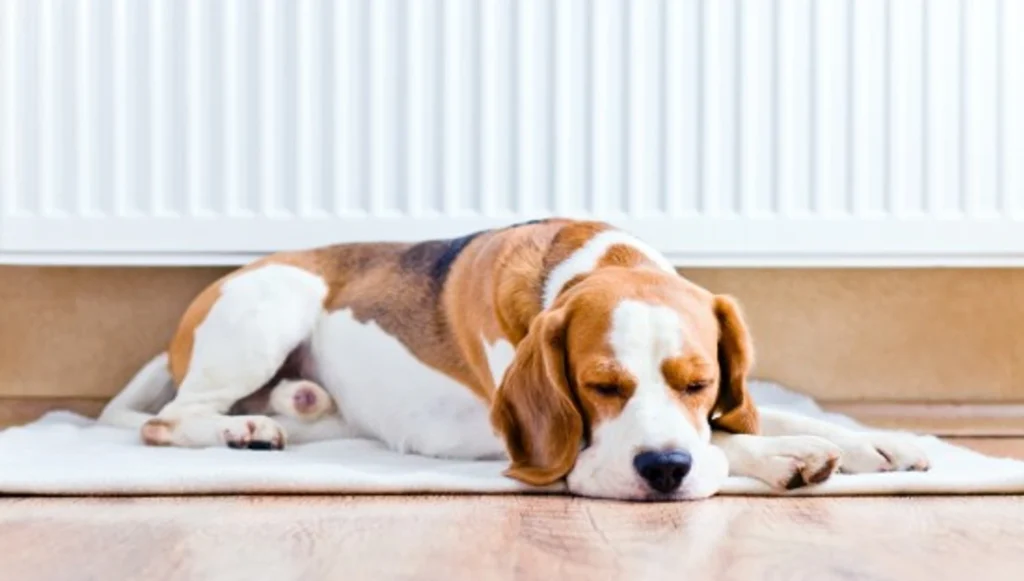
For a lot of pet owners, it’s hard to tell the difference between healthy bonding and forced companionship. A balanced, healthy lifestyle for pets consists of two states: active voluntary interaction and independent quiet rest. Mentally healthy pets will get the ball rolling by coming to their owners for play and affection, and they will also be able to retreat to their exclusive area to relax and recharge freely. Without private space, pets will merely stay attached to their owners, living in a constant state of being watched, touched, and disturbed. Even though they may seem clingy and affectionate, they are actually tense mentally and they are not able to relax completely. Active companionship is a sign of love and trust, whereas endless forced interaction leads to continuous emotional depletion and stress accumulation.
2. Common Pet Care Misconceptions About Pet Private Space
Modern pet raising is affected by so many misleading habits. The biggest and most widespread misconception is equating clinginess of the pet with its happiness: “the clingier the pet, the happier it is”. Many pet owners actively tease, pet, and disturb their pets nonstop, even when the pet tries to retreat or avoid interaction. Another very common mistake is lack of spatial division at home, leaving pets eating, sleeping, resting, and playing in public areas without a private corner to escape from noise and crowd movement. A lot of families also let young children chase, hug, and disturb pets however they want, thus leaving them no safe retreat route. These well-meaning behaviors are not love; on the contrary, they keep pets under long-term mental pressure and emotional exhaustion.
3.Hidden Harms of Living Without a Dedicated Pet Rest Area
Not having a designated exclusive rest area for pets leads to heavy physical and mental damage in the long run. Psychologically, if pets do not have a way of letting out stress or relaxing fully, it results in conditions such as chronic anxiety, be more sensitized, and even become easily irritated. With time, they may show aggressive tendencies like growling, hissing, or biting after being pushed to their limits. Moreover, frequent sleep interruptions can cause the pet to lose trust in their owner and diminish the human-pet bonding experience. In terms of physical health, inadequate and broken sleep is responsible for lowering the immune system, making the pet inactive, and disrupting the appetite. Further, when mental stress is constantly present, it causes the initiation of stress responses like over-grooming, marking/urinating inappropriately, and destructive chewing behaviors.
4. Basic Standards for a Safe and Qualified Pet Private Space
Having a professional pet resting area does not necessarily mean it has to be a large space or luxuriously decorated, but the pet area must meet at least the four main criteria of safety, quiet, privacy, and exclusivity. First, you should pick a spot with the least amount of foot traffic, far from the front door, corridors, TV, and areas with noisy household appliances, where your pet can be least disturbed by outside noises. Second, put the pet bed against a wall or in the corner of the room to provide a pet with a sense of enclosure and security which is proven to bolster their sense of confidence. Third, do not let the pet area be a shared one with the owners or even with other pets; keep it so that only the pet uses it and it is free from mess and clutter. Lastly, ensure that there is good air circulation, a cozy temperature is maintained, and the bedding is soft and clean. The golden rule above all else is that you should never bother, tease, or forcefully pick up your pet if it decides to go to its sanctuary or private zone.
5.How Age and Personality Affect Pets’ Solitude Needs
Age and personality are major factors determining a pet’s requirement for solitary time. Puppies and kittens are so adorable and clingy because they are always exploring and discovering new things, but that also means they need plenty of sleep and quiet times to grow strong and healthy. Emotions of adult pets are well regulated; high-spirited pets demand more interaction, whereas peaceful and introverted ones deliberately seek solitude. Old pets suffer from the downs of physical strength and shy temperament, so providing them with quiet and exclusive areas is a must for them to relax and stay away from stress. Considering personality, shy, sensitive, and easily stressed pets count on their private resting areas the most, whereas courageous and self-assured pets, of course, also need their own solitude space for emotional well-being.
6. Cats vs. Dogs: Differences in Private Space Requirements
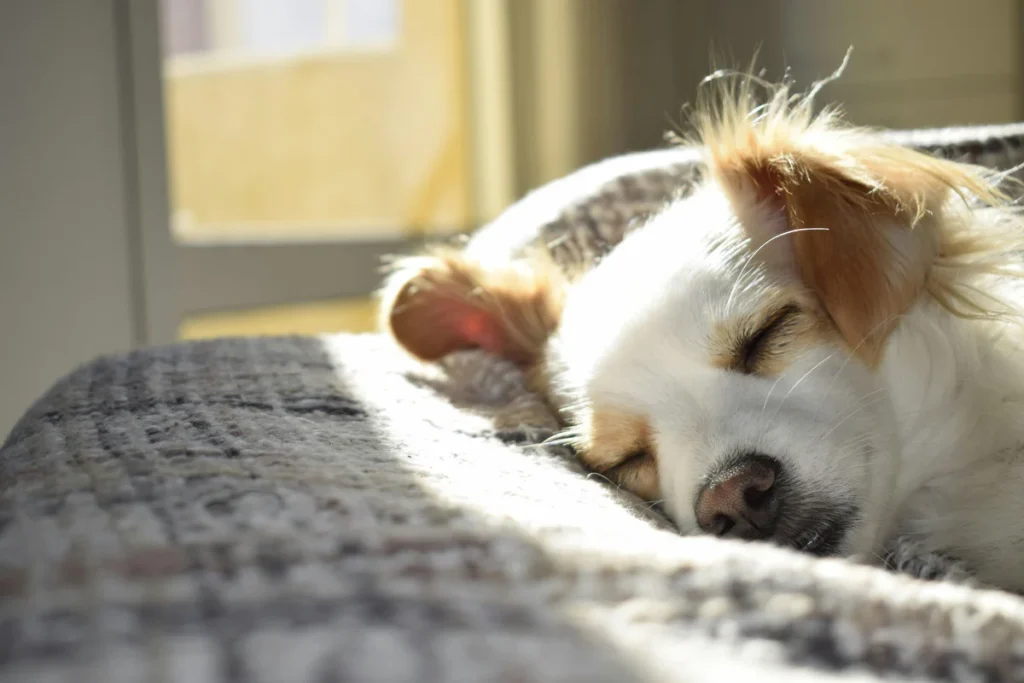
Compared to dogs, cats are in much greater need of private space. As animals that live mostly alone in nature, cats necessitate hiding spots that are quiet and free from disturbance to be able to feel safe. Too much human interference easily leads to a stressed cat, loss of appetite, spraying behaviors, and high anxiety levels. The provision of a private resting nook is vital for a cat’s psychological well-being. On the other hand, dogs, as pack animals, enjoy being with others, but they also require their own space to rejuvenate after playing actively. If a dog is kept continually stimulated and engaged without giving it a chance to rest, it becomes mentally exhausted and hyperactive. To put it simply, cats want private space for security, whereas dogs want private space for unwinding and emotional recovery.
7.What Does It Look Like When Your Pet Doesn’t Have Enough Private Space?
If pets don’t get their personal space for a long time and have to endure stress, then eventually they’ll show quite a few warning signs. When it comes to sleeping, some of the signs are sleeping lightly all the time, waking up at the slightest noise, and always looking for hidden spots to rest. If it’s about emotions, then some of the signs are becoming more irritable than usual, randomly growling, and not wanting to be touched by humans. When it comes to behavioral changes, some of the signs are going under the bed to hide, staying away from family members, and being less willing to be at home. And when it comes to compensating for stress, some of the signs are over-grooming, excessive head shaking, destructive chewing, and becoming very active at night. All of these symptoms are clear signs that your pet is under constant stress and is in urgent need of a private and safe environment where it can be alone.
8. All-Inclusive Steps to Create a Safe Pet Rest Area at Home
To build an ideal pet resting area follow these simple yet effective steps. First and foremost, choose a peaceful indoor corner that is far from the walking paths, noisy equipment, and direct rays of the sun. Second, to create a small and intimate private space, you can provide pet tents, covered beds, or wall-mounted nests. Third, strictly separate different household functions: the resting area should be used only for sleeping and not for eating, playing, or training, so that the pets can develop stable resting habits. Fourth, provide your pet with soft and breathable bedding and clean it regularly to keep it hygienic and comfortable. Fifth, set consistent family rules to prevent disturbance of the resting pets. Sixth, put familiar blankets or old toys inside so that the familiar smells are preserved and the sense of security is increased. Seventh, make sure you choose an area where there are no balconies or windows.
9. Core Behavioral Reasons Why Pets Need Private Space
Pet behavioral science summarizes two fundamental reasons for this need. First, innate survival instinct. Wild cats and dogs rely on fixed dens for resting, sheltering from danger, and restoring physical strength. The pursuit of an exclusive safe nest is deeply embedded in pet genetics. Second, emotional self-healing needs. Pets cannot actively express stress or negative emotions; they rely entirely on quiet solitude and deep sleep to regulate mood and relieve anxiety. A stable private space allows pets to release pressure at any time, stabilize their temperament, and maintain long-term mental health.
10. FAQs About Pet Private Space and Rest Area Setup
Q1: Do extremely clingy pets still need private resting space?
A: Yes. Clinginess reflects interactive and bonding needs, while solitude represents resting and mental recovery needs. The two needs do not conflict. Even the most affectionate pets require undisturbed quiet time to avoid emotional overconsumption and chronic stress.
Q2: Is it okay to place a pet bed in the owner’s bedroom?
A: Absolutely ideal. Bedrooms are quiet, safe, and filled with the owner’s familiar scent, which effectively boosts pet security. As long as you avoid frequent disturbance during rest, the bedroom can become a high-quality private resting area for pets.