How to Tell If Your Pet Is Entering Senior Age? 8 Overlooked Aging Signs

Many pet owners equate their pet’s senior status with age alone, thinking felines and canines only become canes when they reach 7 or 10 years of age. In fact, pet aging is a continuous and cumulative process. The majority of pets start exhibiting senior signs around middle age. Initially, the most noticeable changes are sleepiness, less activity, graying hair, and slower metabolism. So, if you just base your decisions on the number of years and ignore the pet’s physical changes, you might miss the best time for senior care. This can lead to unrecognized chronic diseases and deteriorating quality of life in your pet’s final years. This article provides information on how to detect early senior symptoms, the most aging signs are overlooked, and proper care changes for senior cats and dogs supported by scientific evidence.
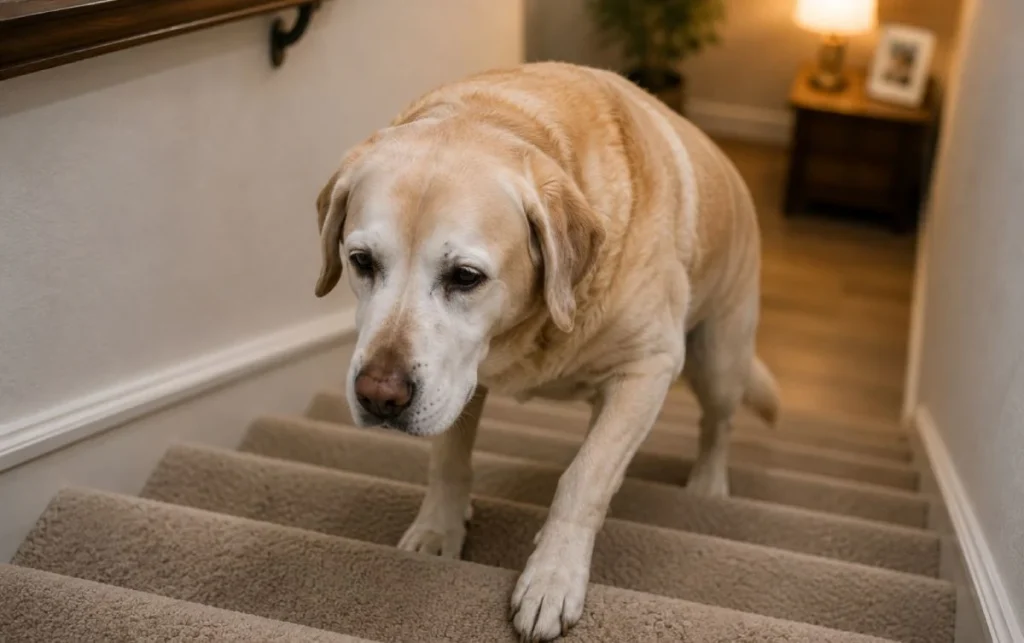
1.Healthy Adult and Early Senior Pets: Significant Differences in Physical Condition
Healthy adult pets possess strong and well-functioning bodies, have steady levels of energy, sufficient hunger, and are following their usual routines. They are physically fit, alert, and in good spirits. Their coats are shining, their stools are regular, and they are well-adapted to their surroundings without being overly tired. On the other hand, early-stage senior pets physically deteriorate very slowly even though they are seemingly healthy. However, they do less without noticing as they become tired and unwilling to move, they also tend to sleep more than play. In other words, energy levels are steady and the self-healing capacity of adult pets is strong, whereas early senior pets have weaker strength and show physical decline that may be managed through proper care.
2. Misunderstandings about Identifying Pet Seniority
Pet parents often form inaccurate impressions of pet aging. The most common fallacy is to judge solely by age without taking into account the substantial differences in aging between small dogs, large dogs, and cats. Many owners confuse tiredness due to aging with “personality laziness” and, therefore, attribute decreased activity and slow responses to a change in character. Some even think pets are healthy if they do not exhibit symptoms and, thus, fail to realize that internal organs, metabolism, and sensory functions can decline without any external signs. Another common error speeding up aging in pets is not adjusting the diet and lifestyle after the pet moves into the senior phase.
3.Hidden Risks of Ignoring Early Pet Aging Signs
When we overlook the early signs of a pet aging, the pet’s physical condition will decline for a long period of time and the health problems will keep piling up. Because the metabolism of a pet gets slower, it is very easy for the pet to become obese, joints to start falling apart and other organs being carried to their limits which then lead to common chronic illness in elderly pets such as renal failure, arthrosis, mouth problems and metabolic diseases. Pets undergoing the process of aging gradually lose their immune system strength and as a result become more vulnerable to the diseases of different seasons and have the healing process take longer. From the psychological point of view, diminishing senses and lower level of energy make pets behave in a way of being unfriendly, slow in reaction, withdrawn and less communicative. Choosing not to care for one’s pets for a long time almost certainly leads to a big decrease in the comfort of their daily lives, the quality of their health and the length of their lives.
4. Standard Care Rules for Pets Entering Their Senior Years
The main factors of senior pet care are lowering the physical workload, making sure the body functions are steady, regular health checks, and very gentle day-to-day care. The very first step is to change the diet to a senior pet food that is low in fat, low in salt, and highly digestible so as to reduce the load on the gastrointestinal system and the organs. Secondly, keep the dog from doing heavy physical activities and only do the light exercises daily in order to keep the joints safe from damage. Thirdly, plan the thorough veterinary examinations 1 to 2 times a year in order to find the diseases of a senior matter that cannot be seen in time. Fourth, keep the living and the daily routine constant so as not to get the pet stressed due to the frequent changes. And last but not least, being a close companion to the pet and the gentle contact can help the pet’s adaptation to the slower senior life.
5. How Dog Size and Breed Affect Aging Speed
There is a big variation in the speed at which pets age depending on their species, size, and breed. Among dogs, the largest and giant breeds are those aging the fastest. They even start their early senior phase at the age of 4 to 5 years, and by 6 years, they are considered full seniors. Medium-sized dogs, on the other hand, begin their aging process at 5 to 6 years old and reach senior status at 7 years. Small dog breeds age at the slowest rate. They show signs of early seniors at 6 years and are classified as full seniors at 8 years. Regarding cats, they age according to a more or less consistent timetable, starting early senescence at 5 years and becoming full seniors at 7 years. Generally speaking, mixed-breed and domestic cats experience a slow and gradual aging process, whereas purebred cats with delicate constitutions are likely to show aging symptoms earlier.

6. Cats vs. Dogs: Different Senior Onset Characteristics
It is difficult even to recognize cat aging since it is gradual and very well hidden; no drastic changes are made at the beginning. Senior cats eventually tend to sleep more, they spend less time on grooming, and their weights may fluctuate a bit. All these changes make it very difficult to spot aging. Age-related diseases in cats are mainly that of internal organs, dental health, and urination. Dog aging is much more obvious and dogs are easier for us to understand. Senior dogs experience a very noticeable loss of energy, their ability to exercise deteriorates very fast, their faces gray quickly, and they react slower. Besides, they quite often suffer from joint problems, heart diseases, and overall physical weakness. Their initially very lively characters change little by little – they become calm, quiet, and low-energy pets.
7. 8 Overlooked Typical Signs of Pet Aging
In addition to the obvious signs of aging, these 8 subtle changes are among the most frequent early senior indicators being overlooked. Firstly, greatly increased sleeping and decreased voluntary activity. Secondly, lack of exercise endurance, quick tiredness, and less willingness to jump or climb. Thirdly, slowly getting gray hairs around the nose, mouth, and eyes. Fourthly, slower reaction to being called and expressionless face. Fifthly, metabolism getting out of balance leading to either weight gain or loss without obvious reasons. Sixth, excretion being off such as toilet/ urination in the house, waking up to wee, and involuntary bowel movements. Seventh, loss of taste, stomach upset, soft stools, or indigestion at times. Eighth, character shifts like getting more shy, being scared of loud noises and strangers, wanting to be close and being quiet. Presence of several symptoms matching the list is a clear sign that your pet has reached early senior status.
8. Practical Care Adjustments for Senior Pets
Firstly, opt for senior pet food formulations catering to mature pets’ needs while being easier on their digestive system. Secondly, consider substituting heavy workouts with leisurely walks and mild games so as not to hurt aging joints. Thirdly, arrange comfortable and safe surroundings through installations of non-slip flooring and lying down furniture at lower heights. Fourthly, do not skip daily grooming sessions and teeth cleanings so as to ward off skin irritations and periodontal disease for seniors. Fifthly, standardize schedules so that late nights and stress outdoors are kept to a minimum. Sixthly, protect seniors from cold during seasonal changes so as not to get sick and lower their immunity. Seventhly, be vigilant by conducting regular physical examinations assessing blood pressure, organ function, and joint health so that timely measures are taken. Eighthly, be a kind, understanding friend who helps relieve old dogs’ nervousness and also be able to adjust to their ambling pace of life.
9. Core Reasons for Premature and Rapid Pet Aging
Rapid or premature pet aging stems from two key causes. The first is improper long-term care, including overfeeding, insufficient exercise, obesity, frequent stress, and irregular routines that continuously consume physical reserves and accelerate organ aging. The second is innate physical weakness and poor environmental adaptation. Many purebred pets have fragile constitutions, while long-term indoor confinement, lack of sunlight, and unchanging adult-stage care routines fail to match age-related physical changes, leading to premature functional degradation. Most fast aging cases are caused by long-term mismatched care rather than natural aging.

10. FAQs About Identifying and Caring for Senior Pets
Q1: Should I immediately switch to senior pet food during the early aging stage?
A: An immediate full switch is unnecessary. Gradually transition with low-fat, easy-to-digest supplementary food in the early senior phase, and completely switch to specialized senior formula after your pet officially enters full senior status for metabolic adaptation.
Q2: Does reduced activity and laziness always mean pet aging?
A: Not necessarily. Short-term lethargy may result from weather changes, mood swings, or minor discomfort. Continuous laziness, poor stamina, and accompanying fur and excretion changes are reliable aging signs that require timely care adjustments.