Is It Normal for Senior Dogs to Sleep More? A Complete Age-Related Analysis

As dogs grow up, the most common thing pet owners recognize is the change of their youthful furry friends from lively dogs who want to play all the time and be close with their masters to extremely sleepy ones. Old dogs hardly move and spend most of their time lying down, they show less and less indifference to their surroundings. Fresh worry and confusion often arise in many pet parents as they do not know if more sleep is one of the normal aging signs or a hidden symptom of illness. Some owners just treat this change as the natural aging progression while others may panic and keep disturbing their dog’s sleep. Long sleeping hours in senior dogs are a normal aging feature that professionals recognize in senior dog care; however, lethargy on the one hand and abnormal drowsiness on the other hand may be signs of serious health issues. Differentiating between a normal physiological increase in sleep and pathological lethargy is very important for correct senior dog management. In detail, the article explores reasons for changing sleep patterns in aging dogs, signs of abnormal sleep, and scientifically supported senior care tips.
1.Normal Increased Sleep vs. Pathological Lethargy in Senior Dogs
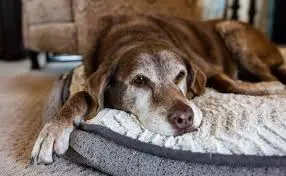
At the same time mild increased sleeping duration is quite normal physiological change dogs ageing. Even though senior dogs sleep longer, they can be woken instantly when called, given food, or going on walks. They stay alert, cheerful, and lively with maintaining appetite, drinking, and bowel movements—only occasionally opting to rest more actively. On the other hand, pathological lethargy is a sick condition. With clinical drowsiness, dogs go into a very deep and prolonged sleep and are hard to rouse. When disturbed, they will usually remain listless, dull-eyed, and unwilling to move. Poor appetite, decreased water intake, and slow reactions are also present.
To make it easier, normal senior sleep is like “sleeping more by choice”, whereas pathological lethargy is “sleeping more because of physical weakness”.
2. Common Misconceptions About Senior Dog Sleep Care
A number of pet owners have misjudged their pets’ sleep pattern change. One very big mistake is to believe that all increase sleep is mere aging, that is to say that they turn a blind eye to abnormal drowsiness which can be a sign of diseases. Another group wakes up their elderly dogs all the time for playing, feeding, or petting thus preventing deep sleep and weakening the immune system in a long run. Environment-wise, some owners may have a wrong approach to sleep setting by having highly padded featherbeds or airless cubes probably resulting in overheating and respiratory discomfort. What is really devastating if disease-caused lethargy is misinterpreted as normal aging delay in diagnosis and treatment of kidney disease, heart problems, chronic joint pain and other common senior illnesses.
3.Hidden Health Risks of Abnormal Excessive Sleep
On one hand, sleeping physiologically does give senior dogs a chance to recuperate while on the other hand if physical sleep deprivation happens it will lead to severe hidden damage. Physically, drowsiness all the time is one of the chief signs of degeneration of organs, disorders of metabolism, and chronic pain. Failure to act will result in the progression of minor conditions till they become severe organ dysfunction, extreme weight loss, and total loss of appetite. Excessive sleeping resulting in reduced physical activity also leads to poorer blood circulation which causes muscle waste, stiff joints, and continuing physical decline. In terms of the mind, lethargy for a long time leads to depressed mood, less interest in the outside world, and a withdrawn personality, all these drastically lessen the quality of life of senior dogs in their later years.
4. Standard Rules for Senior Dog Sleep Maintenance
The main ideas behind sleep care for senior dogs include honoring the natural aging rhythms, checking for health issues, making the sleeping environment as comfortable as possible, and keeping moderate activity. To begin with, recognize that longer sleep is a normal aging change and do not disturb deep rest. Next, make a habit of observing sleep daily so that one can tell normal sleep from pathological sleepiness and also do regular checks up on the old dog to exclude the presence of diseases. Next, prepare a quiet, warm, non-slip, and well-ventilated resting place for the dog with no strong light and loud noise exposure. Fourth, plan mild daily exercises to avoid health degradation due to prolonged lying down. Last but not least, ensure that feeding times are regular and there is a moderate level of socialization daily to keep one both physically and emotionally.
5.Sleep Differences by Dog Age and Size
Dogs’ aging rates and sleep habits depend a lot on their size and age. Big dogs age faster, and after 6 years old they are considered to be in their early senior stage and one of their characteristics is an increase in sleep duration. Senior large breed dogs are typically sleeping 14 to 16 hours a day. Medium size dogs become seniors at 7 years and their sleep changes very gradually and in a less noticeable way. Small size dogs have the slowest aging process and their sleepiness is very obvious only after 8 years of age. Though physical strength remains high. No matter the size, dogs that are more than 10 years old face a significant physical downgrade, increasing overall sleep time, but such sleep becomes lighter and more easily interrupted. So, more careful and thorough care is necessary.
6. Adult Dogs vs. Senior Dogs: Core Sleep Pattern Differences
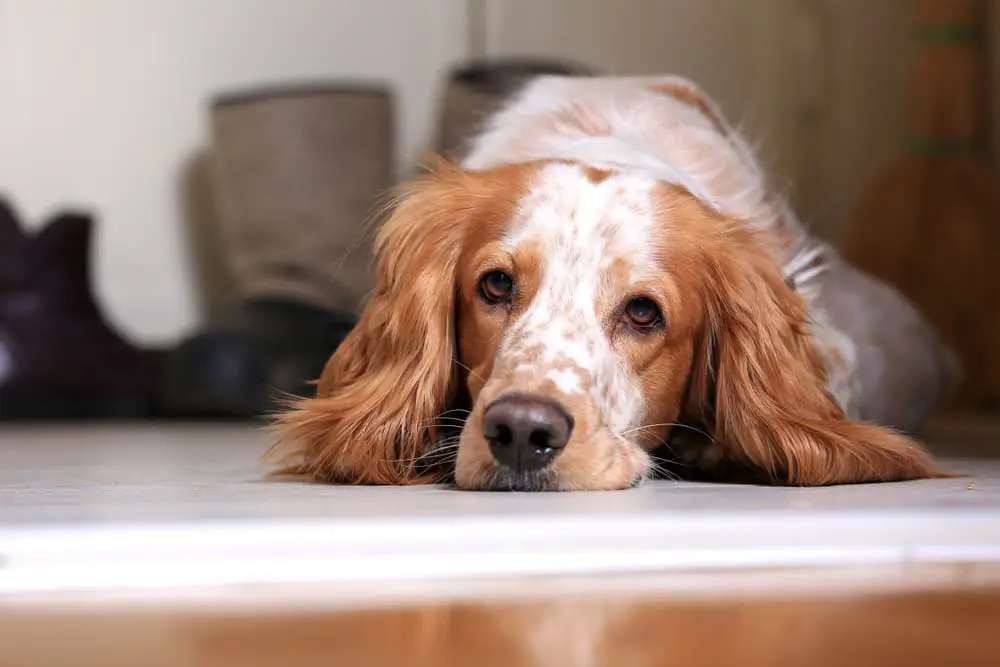
Adult dogs with good health have effective and quite regular sleep cycles with deep sleep at night and short naps during the day. They wake up being full of energy, attentive, and willing to play. Senior dogs completely change their sleeping habits and their total sleep time becomes drastically long. They are mostly sleeping during the day and at night they sleep lightly and are restless. Adult dog sleep is an active physical recovery, and senior dog sleep is just passive compensation for the body’s deteriorating functions. As the dogs grow old they get less deep sleep and more light sleep, which means less quality of sleep, slower physical recovery after rest, and long-lasting laziness and tiredness.
7.Typical Warning Signs of Abnormal Sleep in Senior Dogs
Pet owners need to be alert to these signs of abnormal sleep that can lead to a health condition that requires treatment. The first sign is very extreme lethargy and difficulty waking up, with lack of response even to calling or offering food as temptation. Second, trembling, rapid breathing, open-mouth panting, and body stiffness during sleep – these will probably happen together. Third, ignoring persistence in lying down, unsteadiness when walking, dull eyes, and refusal to eat after the awakening. Fourth, severe day-night reversal with nighttime restlessness and continuous sleeping during the day. Fifth, systemic symptoms along with the above-mentioned ones are sudden weight loss, changes in the water consumption, retention of urine, and excessive discharge of eyes.
8. Practical Methods to Improve Senior Dogs’ Sleep Quality
Firstly, give your dog a separate quiet area for sleeping that is away from the hustle, noise and bright lights to a place where he/she would get the stable resting environment. Secondly, change the regular beds for soft, low-height, non-slip dog beds to protect aging joints and senior dogs can also stand up by themselves easily. Third, try to arrange walks that are gentle and less energetic, interaction during the day to avoid prolonged lying down and to regulate the circadian rhythms. Fourth, give small snacks before bedtime and fresh warm water in order to avoid sleep waking as a result of hunger or thirst. Fifth, make necessary adjustments to temperature and ventilation during seasonal changes to prevent overheating or colds. Sixth, avoid needlessly disturbing the dogs and respect their natural sleep cycles. Seventh, take the dogs for regular veterinary examinations so as to diagnose heart diseases, kidney problems and joint conditions at the early stage so that the sleep health is ensured from the root cause.
9. Core Reasons Why Senior Dogs Sleep Longer
Extended sleep in senior dogs falls into two major categories: physiological and pathological causes. Physiologically, aging slows metabolism and reduces physical stamina. Weaker body repair ability requires longer sleep duration for physical recovery, while hormonal changes make senior dogs calmer, quieter, and less active. Pathologically, age-related diseases including joint pain, organ strain, weakened cardiopulmonary function, and chronic inflammation cause persistent physical fatigue. Excessive sleep becomes a passive coping mechanism for discomfort, serving as a clear distress signal from the dog’s body.
10. FAQs About Sleep Care for Aging Dogs
Q1: Is it normal for senior dogs to sleep more than 15 hours a day?
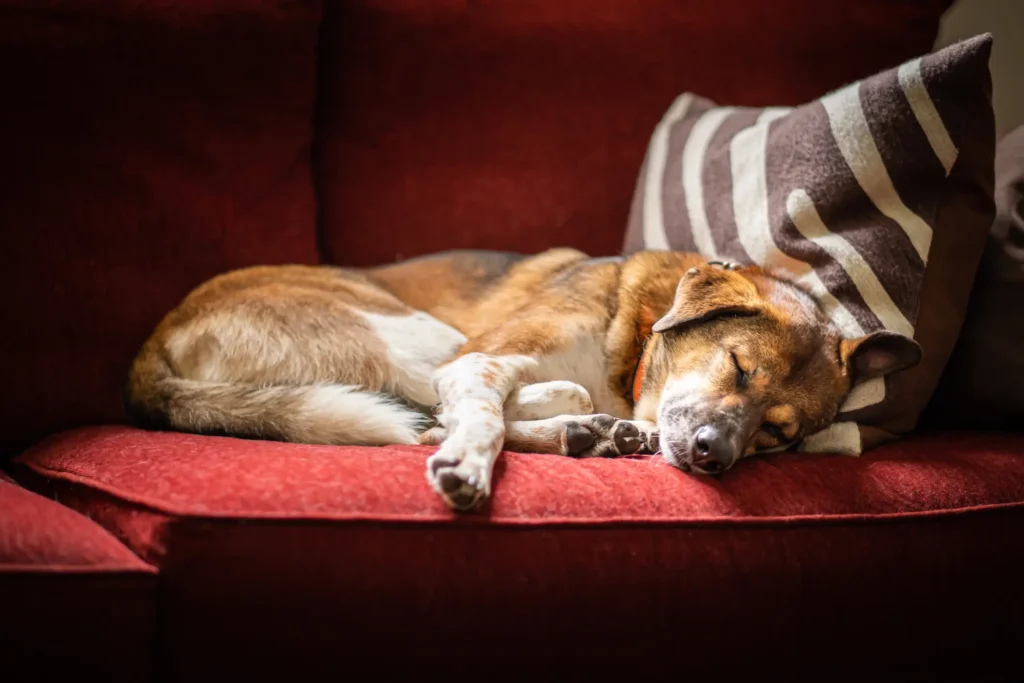
A: It is normal for healthy large senior dogs and dogs over 10 years old with stable appetite and energy. However, sudden extreme sleep increases in younger senior dogs accompanied by lethargy and poor eating indicate potential disease and require timely veterinary examination.
Q2: Should I wake up my senior dog for more exercise?
A: Avoid waking sleeping senior dogs intentionally. Gentle walks and interaction after they wake up naturally are sufficient. Forced exercise and sleep interruption increase physical burden and weaken immunity in aging dogs.