How to Maintain Mobility in Senior Pets? Vet-Recommended Daily Care Tips

When cats and dogs become seniors, one of the changes in aging that can be made most evident is the decline in mobility. Old pets are less active, will not jump as much, take time to get to their feet, and walk very slowly. Many pet owners believe that the lack of energy and reduced activity are natural parts of aging, so they let their senior companions lie down all day without moving. However, a professional veterinary point of view tells that long-term inactivity in senior pets results in muscle wasting, joint stiffness, poor blood circulation, and faster organ degeneration, thus making a vicious circle where ‘less movement causes faster aging’. Gentle and consistent daily care combined with low-impact exercise can go a long way in maintaining the physical flexibility of senior pets, slow down the aging process of the body, and make old age days very pleasant for them. This article presents a professional veterinary view on the causes of mobility loss in senior pets, mistakes in senior pet care, and everyday tips for managing senior pets.
1.Normal Senior Laziness vs. Pathological Mobility Degradation
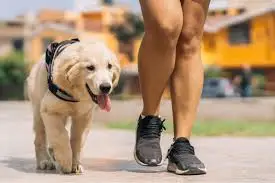
The difference between normal senior laziness and pathological mobility degradation in senior pets is really important for pet owners. Pets experiencing normal senior laziness just cut down on their voluntary activities and prefer to rest, but they still stand, walk, and move like normal when they are tempted with treats, playtime, or outdoor walks. Their limbs remain supple without any signs of stiffness, pain, or unsteady movement. On the other hand, pets with degraded mobility have physical function damage. They even have trouble getting up, walking slowly and clumsily, resisting to raise their paws, and avoiding jumping completely. Besides that, mild exercise is enough to cause exhaustion, limb trembling, and an unstable gait, which calls for the intervention of a professional without delay.
2. Mistaken Ways of Caring in Senior Pet Mobility
Most of the accelerated cases of mobility decline in senior pets are due to the owner’s wrong habits of care. The biggest error is total inactivity, thinking that senior pets require constant rest and avoiding all forms of exercise, which leads to rapid loss of muscles and stiffening of joints. Another extreme is over-exercising, forcing elderly pets into long walks, running, and jumping beyond their physical tolerance, which causes chronic joint wear and painful strain. Many owners also neglect the need for environmental upgrades such as installing anti-slip surfaces or fixing uneven floors, and as a result, pets become afraid of moving after several slips and falls. Besides that, poor weight management and obesity significantly increase the pressure on limbs and worsen the mobility loss.
3.What are the hidden dangers of long-term inactivity in senior pets?
Senior pets can suffer more damage from prolonged inactivity than from aging naturally. When you stop using your muscles, they will simply get smaller with time and the strength will drop severely. Stiffness and inflexibility of joints occur in parallel to the process of muscle atrophy. The end result will be a pet that is unable to even stand or walk on its own. Unfortunately, that is not the only bad thing about a sedentary lifestyle. Circulation and metabolism slow down, which leads to obesity, high blood pressure, and other problems. A lack of exercise and stimulation will impact the mental health of the animal as well. The risk of anxiety and dementia is higher in the case of pets that do not receive enough exercise and interaction, which will significantly decrease their quality of life and may shorten their lifespan.
4. What are the care principles for mobility maintenance of senior pets?
There are few key points to consider when addressing mobility of aging pets, and they are recognized by animal health professionals around the world: moderate, low-impact exercise, limb load reduction, environmental adaptation, and consistent maintenance over the long term. Instead of caring for your pet through either complete inactivity or overexercising, you should aim at providing some gentle, short, and low-intensity movements on a daily basis. Scientific methods of weight control lower the pressure on the bones while dietary supplements along the lines of joint and muscle protection are targeting those. It’s also wise to free your house of any objects that may fall and slip so that the animal does not hesitate before taking every step. These methods, in combination with daily massage and stretching, will enable the senior pet to maintain good physical flexibility while being careful not to overexert the aging body.
5.How Age and Body Size Affect Senior Pet Physical Degeneration
The speed at which mobility in aging pets declines is influenced directly by their age and body size. Joint wear and tear in dogs is proportional to the weight kept over the lifespan. A heavy dog with a large frame is more prone to development of severe joint problems at a relatively younger age (around 7 years). The decline in their ability to move gets to the maximum level at around this age so that their sluggish walking and standing reluctance become typical signs. Medium dogs start showing signs of their mobility decline at about 8 years while small breeds manage to preserve their shape and physiological functioning at a slower pace. Cats are generally showing aging symptoms of their mobility only after 10 years. Those with obesity and those with small short legs age much faster. All animals older than 10 years face significant muscle loss and low energy levels. They will need skilled care focused on maintaining their mobility.

6. Senior Cats vs. Senior Dogs: Different Mobility Aging Symptoms
Declining ability to move in senior cats is very subtle and barely noticeable. Gradually, an aged feline ceases the habit of jumping on the sofas and beds, decreases the frequency of climbing, moves slower, takes a few moments to decide to stand up, and reduces the daily activity range. Often, changes in their behavior are so subtle that owners do not notice them. Senior dogs, on the other hand, demonstrate a lot of symptoms of their declining mobility. They drag their paws, have weak limbs, face a problem when going uphill, start to walk shorter distances, and get tired very easily after even small amounts of exercise. When the condition becomes very severe, it is characterized with the dogs having a limp, and it being extremely difficult for a dog to stand, thus, it is much simpler to identify canine loss of mobility.
7.Early Warning Signs of Declining Pet Mobility
If you see two or more of these changes in your pet, don’t hesitate to get a professional help. Firstly, rarely or even never getting up and moving by oneself. Secondly, standing up slowly and with difficulty, even having to try several times in order to succeed. Thirdly, walking with a stiff, awkward gait and sometimes limping. Fourth, no jumping, climbing or use of stairs completely. Fifth, extremely tired, heavy panting and being down to rest right after very little activity. Sixth, weak muscles with weight loss or overweight. Seventh, showing signs of pain, pulling away, or tensing when limbs and joints are handled
8. Vet-Recommended Daily Tips to Preserve Senior Pet Mobility
To begin with, short sessions of light physical activity like a slow walk and gentle play inside are great to help the body function without heavy movement. Secondly, change the household setup with mats that prevent slipping, smooth floors, and ramps for easy going so that no movement-related obstacles will be there. Thirdly, soft limb massage and mild stretching every day can help loosen up joints and increase blood flow. Fourthly, through a low-fat, easy-to-digest diet the senior pets are able to maintain their weight so that they don’t have an additional burden on their skeleton. Fifthly, nutrients that support joints are a must as they protect cartilage and slow down the joint aging process. Sixth, is also a part of balanced physical activity to ensure enough rest time after light exercise so as to not overstrain physically. Seventh, last but not least regular whole-body checkups are very important to find out any joint, bone, or heart issues that can be addressed and treated scientifically.
9. Core Causes of Rapid Mobility Loss in Elderly Pets
Senior pet mobility decline stems from two major causes: natural physiological aging and acquired improper care. Natural aging involves gradual muscle loss, cartilage wear, reduced bone density, and slower nerve response, inevitably decreasing physical flexibility with age. Acquired factors accelerate aging drastically, including long-term inactivity, obesity, slippery living environments, nutritional imbalance, and lack of joint protection. These bad habits lead to abrupt mobility deterioration and are the main reason many senior pets lose self-care ability and suffer early paralysis.
10. FAQs About Exercise and Mobility Care for Senior Pets
Q1: Should I force my lazy senior pet to exercise?
A: Forced intense exercise is not recommended, but complete inactivity is harmful. Encourage voluntary, gentle, short-duration low-impact movement to activate muscles and circulation and prevent atrophic deterioration.
Q2: Can senior pets with joint problems still walk daily?
A: Moderate flat-ground walking is beneficial and safe. Avoid stairs, slopes, jumping, and running. Gentle daily movement relieves joint stiffness, while long-term immobility worsens degeneration and causes severe disuse atrophy.