Why Is Your Pet Suddenly Sleeping Differently? Hidden Health Signs to Notice

It’s well-known among cat and dog owners how their pets sleep most of the time. Some pets are used to sleeping in a tight ball, whereas others like to lie on their backs with their limbs stretched out. If your pet suddenly changes their sleeping position, moves around a lot at night, or doesn’t sleep in their usual way, most pet owners think it’s a small thing and that their pet just found a different comfortable spot. But animals really don’t change sleeping habits without reasons. A sudden, constant change in sleeping posture is way more than just a random personal trait. Besides small changes in temperature and noise, unusual sleeping positions and restless sleep are often indications of pain, joint inflammation, discomfort of internal organs, anxiety, and hidden illnesses. If you overlook these little changes, you can miss the first signs of disease when treatment would still be most effective. Here, we discuss normal sleep changes versus abnormal behavior changes, reveal hidden health risks, and provide daily care tips based on scientific evidence.
1.Normal Posture Adjustment vs. Pathological Sleeping Posture Changes
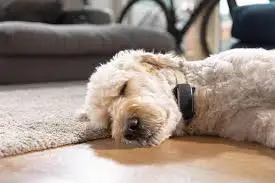
Changing the sleeping position of a pet can mean either an innocuous natural change or a harmful pathological change. These two points are the main focus of this article, which is something that every pet lover should know about. Usually, normal posture changes are solely influenced by the environment. For example, a pet will stretch to cool down in hot weather and curl up to conserve heat in cold weather. Basically, they shift position occasionally, their breathing remains regular,they sleep well, and they wake up with usual energy, appetite, and activity levels, showing no signs of discomfort in fact. On the other hand, pathological posture changes are those which are not caused by any obvious environmental factors. Apart from the occasional fixation on weird sleeping postures, the pets are also restless, sleep is difficult for them, and they even try to stay away from their usual comfortable postures. Along with the abnormal postural changes, the animals may also experience lethargy, reduced willingness to move, and pain upon touch, in a way that the signs of discomfort become very obvious.
2. Common Misconceptions About Pet Sleeping Position Changes
There are a lot of pet owners who think incorrectly about their pets’ changing sleeping habits. Probably the closest to reality misconception is treating all changes of bodies positions as behavior changes, without taking into account silent ones caused by pain and disease. Also lots of owners neglect internal pain, joint inflammation, and digestive system problems which are some of the reasons for unusual pet sleeping postures, as they blindly assume that pets are healthy as long as they eat and sleep normally. Some pet owners, not really realizing the consequences of their actions, keep waking their pets or petting them by hand when their pets are having a restless night, which leads to the increase of anxiety and the disruption of the physical recovery. Besides that, most of the people do not have the knowledge at the professional level of what different sleeping positions mean regarding health, so they end up missing a perfect opportunity to detect a mild early-stage disease.
3.Hidden Health Risks of Ignoring Abnormal Sleeping Postures
Minor changes in sleeping postures could be a sign of serious health risks. If pets constantly change their sleeping positions to avoid pain, it is an indication that their bodies are already in pain. If they are not treated in time, mild inflammation and hidden chronic pain will gradually develop into serious chronic diseases. Changes in posture due to joint strain will increase cartilage wear, cause bodily deformities and finally result in loss of mobility. Moreover, discomfort from internal organs causing positional changes will hold up the diagnosis and treatment of gastrointestinal, cardiopulmonary, and systemic organ diseases. Besides that, unusual sleeping postures lead to decreased sleep quality, lowered immunity, mental fatigue, appetite disorders, and turn into a vicious circle of deteriorating physical conditions and insufficient sleep.
4. Standard Principles for Pet Sleep Monitoring & Health Checking
Pet sleep health management mainly involves identifying factors that cause change, conducting disease screening, maximising living conditions, and maintaining a stable daily schedule. Firstly, check whether changes in posture are the result of external factors like an inappropriate temperature, loud noise, or uncomfortable bedding. Secondly, undertake thorough medical examinations for consistent unexplained changes in posture, with special attention to joints, digestive system, cardiovascular and pulmonary health, and places of skin pain. Keep a comfy, quiet, and stable sleeping environment to minimize the stress response during nighttime. Always monitor sleeping posture, sleep quality, and daily behavior and do not hesitate to get a vet’s help as soon as you notice abnormal symptoms so as to safeguard your pet’s physical health in the long run.
5.How Age and Physical Condition Influence Pet Sleeping Habits
Alongside other factors, age and physical condition are two of the major determinants of pets’ sleeping posture stability. This is because young puppies and kittens, being lively and free from any chronic pain, will have flexible and random sleeping postures with hardly any fixed abnormal sleeping habits. On the other hand, healthy adult pets are capable of maintaining stable and consistent sleeping positions along with enjoying high-quality sleep. The situation is quite different with senior pets who, in addition to suffering from the physical decline, will also experience joint degeneration and weakening of their visceral functions. As a result, they will have frequent posture adjustments, tense curling, and stiff prone sleeping. Sensitive, fragile, and chronically injured pets, on the other hand, are highly likely to modify their sleeping positions in an attempt to hide pain, consequently making them the high-risk groups for displaying abnormal sleeping behavior.
6. Cats vs. Dogs: Different Health Clues Behind Posture Changes
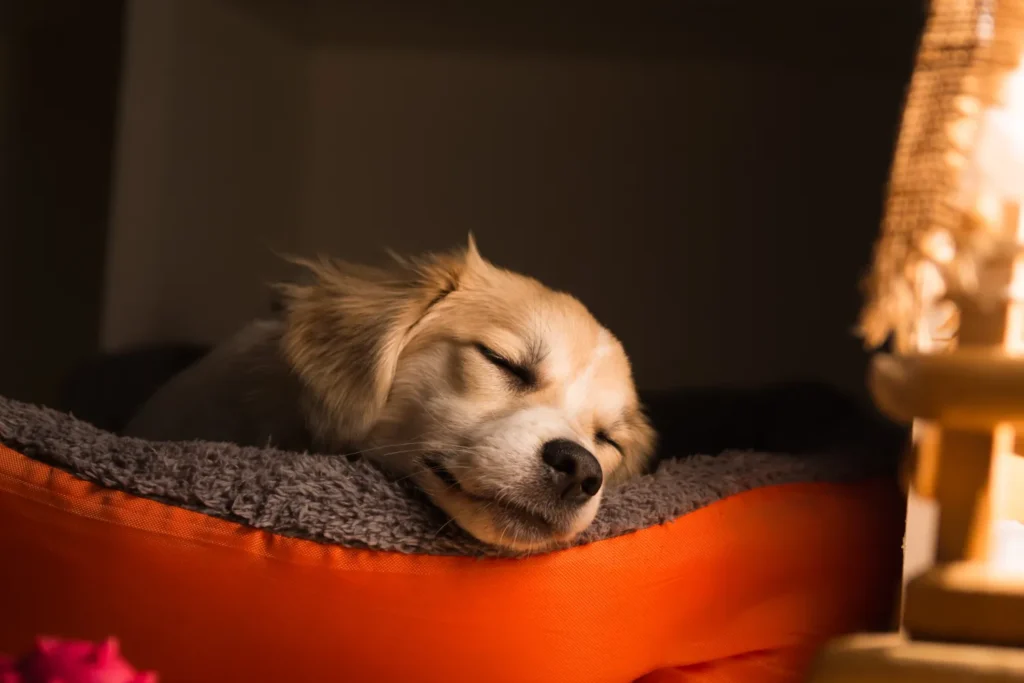
In the case of cats, changes in their sleeping posture are almost imperceptible yet they carry a lot of medical information. This is mainly because cats have a very high pain tolerance and carry their pain or suffering outwardly only in very extreme cases. One of the ways that cats try to avoid pain is by changing their sleeping positions silently; for example, they may curl tight to protect the abdomen or they may not lie on their sides at all – the latter usually indicating that they have gastrointestinal, abdominal, or joint pain. Dogs, on the other hand, reveal their unwellness through more straightforward posture changes. Usually, sick dogs will lie stiffly and tense without any sign of relaxation while also refusing to stretch their limbs. If a dog changes from sleeping on its back to not doing so at all, then it most probably means that the dog is having chest pain or cardiopulmonary discomfort or joint strain. Furthermore, anxious dogs tend to be visibly tense and curled in their sleeping positions despite owners being able to spot them easily.
7. Typical Warning Signs of Abnormal Pet Sleeping Behavior
Pet owners should regard the following sleeping abnormalities as critical health warning signs requiring timely inspection. First, persistent fixation on strange sleeping positions with no seasonal or environmental reasons. Second, frequent tossing, turning, and nighttime waking with unstable sleep. Third, constant tensed muscle curling and complete refusal to stretch the body. Fourth, deliberate avoidance of previously favorite and comfortable sleeping postures. Fifth, protective sleeping gestures that guard the abdomen or chest with overall body stiffness. Sixth, accompanying symptoms including rapid breathing, slight trembling, and soft whimpering during sleep.
8. Practical Care Tips to Monitor Pet Health Through Sleep
First, memorize your pet’s standard sleeping posture and develop a daily sleep observation habit to capture abnormal changes early. Second, optimize the sleeping environment with soft, supportive bedding and thick cushions to reduce joint compression and physical pressure. Third, adjust indoor temperature seasonally by ventilating and cooling in summer and keeping warm and windproof in winter to reduce normal physiological posture adjustments. Fourth, gently touch your pet’s joints, abdomen, and chest when abnormal postures appear to locate potential pain points. Fifth, eliminate nighttime strong light and loud noise to stabilize your pet’s mood and reduce anxiety-induced sleep tension. Sixth, arrange regular veterinary checkups focusing on joints, digestive systems, and cardiopulmonary functions for early detection and scientific conditioning.
9. Core Reasons for Sudden Sleeping Posture Changes in Pets
Three core factors cause sudden sleeping posture shifts in pets: environmental changes, psychological stress, and pathological pain. Environmental factors include unsuitable temperatures, hard bedding, noisy surroundings, and harsh lighting, prompting pets to adjust positions for greater comfort. Psychological factors involve unfamiliar environments, recent scares, and long-term loneliness, causing pets to adopt tense sleeping postures for a sense of security. Pathological factors are the most critical cause, including joint pain, gastrointestinal bloating and abdominal pain, cardiopulmonary discomfort, skin itching, and muscle soreness. Pets change their sleeping poses actively to avoid persistent physical pain, serving as vital early health alarms.
10. FAQs About Pet Sleeping Posture Shifts and Health
Q1: Does frequent curling up to sleep always mean a pet is sick?
A: Not necessarily. Cold temperatures and insecurity can cause normal curling behavior. However, if your pet keeps tensing up and refuses to stretch in a warm, safe environment, it usually indicates hidden physical pain requiring further health screening.
Q2: Should I take my pet to the vet immediately for restless sleep and frequent posture changes?
A: You may first rule out environmental, temperature, and emotional factors and adjust daily care for 1 to 2 days of observation. Immediate veterinary examination is recommended if restless sleep persists, accompanied by lethargy, poor appetite, or flinching from physical contact.