Can You Trim a Cat’s Whiskers? Key Functions & Common Misconceptions

Many new cat owners think their cat’s long, untidy whiskers are ugly and so decide to trim or cut them for a tidier look. A widely shared misconception among pet parents is that cat whiskers get trimmed regularly and that it is a harmless act. While the majority of pet owners are aware that CAT whiskers should not be cut, only a handful of them truly understand the extremely important function that these unique hairs on the face serve. Actually, these hairs on the face of cats called whiskers are much more than just fur for decorative purposes. They serve as a very strong sensory radar system that helps with spatial awareness, controlling balance, and communicating different emotions. Cutting or trimming a cat’s whiskers will not result in your cat’s death; however, it will severely interfere with their sensory perception, induce stress and anxiety, disrupt the ability to judge depth, and cause imbalance. This quite mistake in treating your cat has a big influence on your cat’s usual behavior and well-being mentally. This article discusses the main roles of cat whiskers, harmful myths, and care based on science.
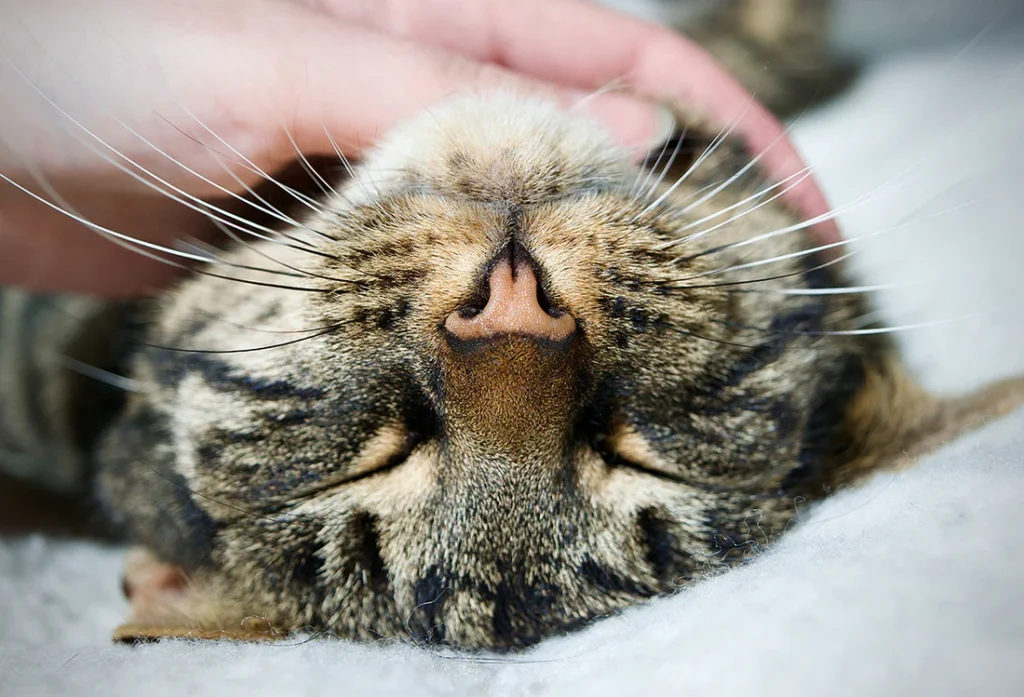
1.Natural Shedding vs. Human Trimming: Key Differences
In fact, natural whisker renewal and artificial trimming are two completely different things. Cat whiskers, similar to regular fur, undergo seasonal shedding and natural replacement. Some minor breakage and occasional falling out are quite normal. During natural shedding, cats exhibit their full range of physical abilities, such as movement, spatial awareness, and mood, and new whiskers continuously grow back. On the other hand, manual trimming, cutting, or shaving is a way to sensory trauma and damage. Cats with trimmed whiskers move very cautiously, avoid narrow spaces, have unsteady walking, and suffer from anxiety that is persistent. And since the regrowth of whiskers is slow, sensory and behavioral dysfunction can be present for a long time after trimming.
2. Common Misconceptions About Cat Whisker Care
There are quite a few cat owners who have faulty ideas about the care of whiskers. The most common fallacy is that whiskers are only for show and that trimming them for beauty purposes is totally non-harmful. A lot of pet parents also think that whiskers grow rapidly, so trimming them casually is ok. Some others even attempt to groom yellowed, messy, or slightly broken whiskers not realizing that whiskers have a very important sensory function. Besides that, a large number of owners do not recognize changes in whiskers as health symptoms and neglect abnormal thinning, mass breakage, and discoloration that are signs of underlying physical problems and hidden diseases.
3.Hidden Dangers of Forcibly Trimming Cat Whiskers
Cat whiskers are directly linked to deep nerve endings in the cat’s face and therefore they are incredibly sensitive organs of sensation. If you forcibly cut these, you not only harm the cat’s physical and mental health in many ways. Physically, by trimming their whiskers, cats cannot gauge spatial dimensions correctly, which causes them to bump into things, get stuck in different places, land poorly, and move unstably, etc. Psychologically, losing their whiskers greatly undermines the cat’s feeling of safety, which can lead to chronic stress, fear, hiding, less movement, and eating less. In time, a cat without whiskers becomes less curious and less willing to venture outside for their new day. In the most extreme circumstances stress fur loss, immunity down, and a very poor condition of the body and mind can be observed.
4. Standard Care Principles for Healthy Cat Whiskers
The most important principles or foundation of cat whisker care is not to trim, not to pull, no unnecessary intervention, and do frequent observation. Do not cut, trim, or pull whiskers for appearance purposes, since this will be a permanent disruption to the sensory function. Once they shed naturally, allow them to do so without any intervention. Avoid accidental pulling, friction, and object entanglement during daily interactions. Make a habit of inspecting the whiskers’ condition regularly. If you see mass shedding, large-area breakage, dryness, or discoloration, you should check for health problems immediately.
5.The Impact of Age and Breed on Whisker Development
Besides age, the breed of a cat also influences the structure and patterns of whisker growth. For instance, kittens have short, soft, and flexible whiskers that grow rapidly and can heal quickly after minor injuries. On the other hand, adult cats have long, thick, and stiff whiskers, which are the strongest in terms of sensory functions but are regrowing very slowly after trimming. As for elderly cats, a gradual whitening of whiskers along with dryness, brittleness, and increased shedding occurs as typical age-related changes. Breed-wise, flat-faced cat whiskers are shorter, and slender cats tend to have longer whiskers. Whiskers of hairless and curly-coated varieties are more prone to breaking and thus they need extra gentle care every day.
6. Whisker Roles and Variances of Kittens and Adult Cats
Kittens’ whiskers are soft and thin, and they mostly help them in getting to know their surroundings, bonding with mother and littermates, and learning to balance through practice. Cutting kitten whiskers may not cause much permanent functional damage, but it definitely results in their insecurity, shyness, and slow development of behavior. Whiskers on adult cats are mature and essential not only for everyday survival but also for gauging distance, detecting obstacles, expressing emotions, and maintaining balance. Cutting adult whiskers causes great disruption to their life and behavior. As senior cats have already been experiencing sensory decline naturally, whisker trimming makes their movements more clumsy, causes them to be confused and anxious, and greatly diminishes their enjoyment of life at this stage.
7. Early Warning Signs of Unhealthy Cat Whiskers
A cat’s whiskers act as a visible health barometer. Owners should watch closely for these abnormal symptoms. First, excessive shedding and noticeable thinning beyond normal seasonal renewal. Second, dry, yellowed, split, and brittle whiskers with no natural shine. Third, unilateral mass shedding and uneven whisker length caused by frequent itching rubbing and skin inflammation. Fourth, excessive face scratching and wall rubbing accompanied by continuous whisker loss. Fifth, premature widespread whitening and aging of whiskers, indicating nutritional deficiency and declining body function.
8. Proven Care Tips to Maintain Healthy Cat Whiskers
First, practice zero-interference care and never trim or pluck whiskers to preserve complete sensory function. Second, supplement high-quality protein, lecithin, and vitamins to nourish follicles, strengthen whiskers, and prevent dry breakage. Third, clean your cat’s facial area regularly to prevent oil buildup, bacterial growth, and skin disorders that cause shedding. Fourth, remove sharp household items to reduce accidental friction and whisker damage. Fifth, stabilize your cat’s daily environment and mood to avoid stress-related abnormal shedding. Sixth, schedule routine vet checkups to screen for skin diseases and endocrine disorders that affect whisker health.
9. Core Causes of Excessive Whisker Breaking and Shedding
Abnormal whisker damage falls into two categories: natural physiological changes and pathological disorders. Physiological causes include normal seasonal renewal and age-related degeneration, where minor shedding and breakage require no treatment. Pathological causes include malnutrition, fungal skin infections, mite dermatitis, endocrine imbalances, excessive face rubbing, chronic stress, and picky eating habits. These unhealthy conditions weaken whisker texture, trigger mass breakage and shedding, and serve as clear warning signs of poor physical health that require timely conditioning and treatment.
10. FAQs About Cat Whisker Trimming and Maintenance
Q1: Will a cat’s whiskers grow back after trimming?
A: Whiskers can regrow slowly over time, but the growth cycle is very long. Newly grown whiskers remain soft and functionally weak for months. During recovery, cats suffer from poor sensory judgment, frequent stress, and clumsy movement. For this reason, trimming cat whiskers is never recommended.
Q2: Should I worry about minor whisker breakage or shedding?
A: Small amounts of breakage and shedding are normal metabolic processes and require no concern. However, continuous large-scale loss accompanied by skin redness, itching, lethargy, or poor appetite indicates underlying health issues and requires prompt veterinary examination.