Why Do Dogs Sniff Strangers’ Pants and Legs? Canine Behavior Explained

Most dog owners have faced this embarrassing walking situation: when your dog notices a new person outside, they eagerly pull on the leash, rush towards the person, and keep sniffing their pants and shoes. A lot of pet owners get embarrassed and think that their dog is misbehaving, being rude, or even showing some aggressive traits, which results in them scolding or punishing their dogs quite severely. However, according to experts in canine behavior, dogs sniffing strangers’ legs is not a bad behavior at all. It is a natural instinct, the chief social skill, and one of the main ways dogs gather information. Although a simple sniff is perfectly normal, if it turns into an excessive, obsessive sniff it can be a sign that the dog has problems with anxiety, stress, and insecurity that need to be fixed with special ways. This post explains thoroughly why dogs behave this way, how to identify the problem through warning signs, and the best training methods based on scientific studies.
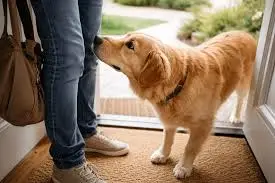
1. Normal Curiosity Sniffing Vs. Abnormal Excessive Sniffing
Dogs’ stranger-sniffing behavior can be classified into two major categories: instinctive sniffing which is healthy and excessive sniffing which is unhealthy. Normal curiosity sniffing is usually mild and the dog doesn’t rise to it. Dogs make two or three quick sniffs and then walk away. While doing this they are not jumpy or climbing on their handler, or anything else, they are just collecting scent info as a safe way of exploring their environment and social interaction. On the other hand, abnormal excessive sniffing means fixation and obsession. Dogs don’t stop pulling on the leash, chasing people and don’t want to leave the spot. This type of behavior is almost always accompanied by signs of hyper arousal, restlessness, jumping, heavy panting, or low growling, and indicates behavioral problems that have to be trained and corrected promptly.
2. Common Misconceptions About Dogs Sniffing Strangers
Most pet owners have misconceptions about public sniffing behavior. Treating normal scent exploration as rude behavior or aggressive behavior is the most common mistake which leads to the unnecessary scolding and physical punishment of the dog that hinders the emotional well-being of the dog. In the other extreme is complete indulgence where dogs are allowed jumping, sniffing without discipline. It not only annoys the people around but causes public disputes. There are owners who think that dogs sniff strangers because they are either hungry or have a random liking. They ignore the more important deep triggers such as social deprivation, sensory suppression, and chronic anxiety which without a proper change in the behavior of the dogs cannot be fixed fundamentally.
3.The Negative Impact of Forcibly Banning Sniffing Behavior
Telling the dog off or stopping it every time it wants to sniff will have negative effects that are even difficult to see. On the one hand, involuntarily changing the dog’s natural odor sniffing method can even cause greater curiosity and attraction to strange stimuli which can result in pulling the leash more intensively, jumping forward suddenly, and generally becoming more impulsive on the walk. On the other hand, if a dog is reprimanded quite often, it will be highly stressed outside, and walk anxiety and shyness may develop. Some dogs get so fearful of strangers that they avoid them, while others become obsessed with sniffing as a reaction to their scolding. Besides, emotional repression if left unchecked can over time destroy social skills, make temperament irritable, or withdrawn and on the whole spoil the walk for the owners.
4. Normal Guidelines for the Management of Outdoor Dog Sniffing Habits
Scientific dog sniffing behavior management principles are the ones that balance the satisfaction of instincts and behavioral discipline: normal sniffing is allowed, limiting obsessive behavior, positive reinforcement, and regulation of outdoor emotions. Pet owners, first of all, should acknowledge the fact that dogs process their world through scents allowing them a few short, gentle explorative sniffs. Besides that, any reliance on a dog for sniffing, jumping at one, or aggressive sniffing should be discouraged by a timely and appropriate leash correction. Reward-based training should be preferred over punishment so as not to increase outdoor stress. By exposing a dog to differing levels of social situations and subjecting a dog to continuous obedience training, a dog is able to learn good outdoor manners and develop disciplined walking habits without any effort on our part.
5.Influence of Age and Personality on Dog’s Sniffing
Age and temperament have a huge impact on how many times and how intensely a dog sniffs. Puppies, being curious and physically energetic by nature, display a very high level of enthusiasm each time they come across a new smell. They even go to the extent of sniffing and exploring strangers accompanied by hyperactive body movements. On the other hand, adult dogs who have acquired a temperament of emotional stability perform limited and well-behaved sniffing only with very brief interactions and without any sticking around. When it comes to the elderly dogs, olfaction is one of the senses which decline over time plus they are the ones who are the least interested in sniffing strangers in public. Extroverted and affable dogs go up to strangers to sniff in order to establish contact whereas introverted and emotionally unstable ones may be seen pulling back after a brief sniff as it helps them to lower the degree of vigilance and calm their nervousness.
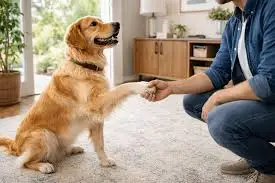
6. Puppies vs. Adult Dogs – Differences in Sniffing
For puppies, sniffing strangers is a way of socializing as well as exploring the environment. They tend to have a lot of energy and often go to the other extreme with their sniffing. This is quite normal since they are still developing and it is definitely better to give the proper guidance than the total prohibition. In cases when adult dogs sniff strangers, it is more about gathering information and they sniff over a person’s clothing and shoes to get at the history of functions, environments, and other animals since their sniffing is quite targeted. Most of the time, senior dogs pay no attention to strangers mainly because of their decreasing senses and lethargy. In very old dogs, a sudden change in sniffing behavior marked by frequent sniffing most often is a sign of emotional distress or sensory issues that deserve to be looked into.
7.Common Warning Signs of Obsessive Stranger Sniffing
Anyway, it is only owners who can recognize these prosocial sniffing signs that have gone wrong as the behavioral correction red flags. The first one is unremitting chasing and hanging on to the strangers coupled with continuous pulling on the leash and refusal to move. The second is overactive jumping and great obsession which frightens passersby easily. Thirdly, being caught up with the scent of the strangers and not paying attention to the owner and the familiar surroundings. The fourth is the anxious body language that goes on with it such as heavy panting, head shaking quite frequent, and body posture being very stiff. The fifth one is that they are depressed and dull at home but when they are outside, they give off the breathless sniffing as if to alleviate psychological pressure.
8. Helpful Training Guidelines to Fix Excessive Sniffing in Dogs
For one thing, always take a regular leash when going outside in order to be able to control distance and stop your dog from running toward the strangers. The second step is to teach a “short sniff only” rule: give your dog a treat right after they have sniffed for a short time and obeyed your leaving command. After that, you can choose to make a proactive detour in order to evade busy areas and thus reduce the triggering environments. Besides, it is a good idea to reinforce loose-leash walking and make your dog have a well-rounded obedience training so as to raise discipline in general. Moreover, you can do indoor scent exercises so as to fulfill the daily exploratory desires thus reducing backyard over-sniffing. Last but not least, walk-going interactive communication is one way to both stabilize dog mood and relieve chronic outside anxiety.
9. Core Behavioral Reasons Dogs Sniff Strangers’ Legs
From canine behavioral science, three core reasons explain this common habit. First, instinctive exploration. Dogs rely on their powerful sense of smell to understand the world. Strangers’ pants and shoes carry rich environmental scents, offering key information for dogs to judge unfamiliar people and surroundings. Second, social communication. Without complex facial expressions or body language, dogs use scent sniffing as their primary way of greeting and socializing. Third, emotional comfort. Anxious, insecure, and timid dogs use repetitive sniffing as a self-soothing mechanism to relieve outdoor stress and stabilize nervous emotions.
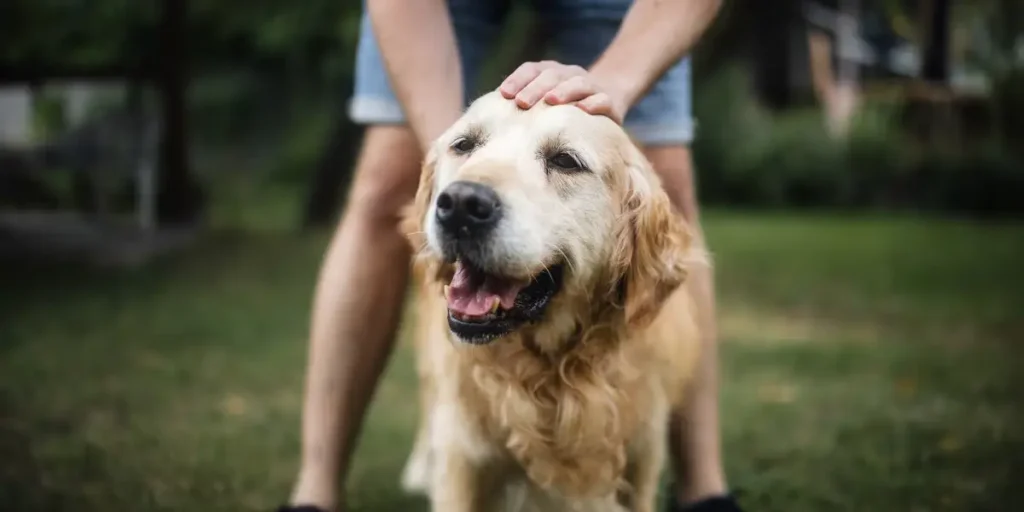
10. FAQs About Dog Sniffing Behavior in Public
Q1: Does stranger sniffing mean my dog is untrained or aggressive?
A: Brief, calm sniffing is normal canine social behavior and not aggressive or misbehaving. Only obsessive clinging, jumping, or growling during sniffing counts as bad manners, which can be fixed with consistent training.
Q2: Should I completely stop my dog from sniffing outdoors?
A: Total prohibition is unnecessary and harmful. Moderate scent exploration satisfies dogs’ natural social and mental needs, improving emotional stability. Owners only need to control excessive, disruptive sniffing while allowing polite, short exploratory behavior.