Is It Normal for Pets to Constantly Lick Their Lips? Overlooked Health Symptoms

Many cat and dog owners will often see their pets licking their lips over and over again. A lot of pet parents think that this usual behavior is just regular grooming, craving for food or cleaning habits, and they believe it to be completely harmless. Of course, lip licking is a natural biological function in cats and dogs, but if they do it frequently, persistently, and for a long time, then it is not just a simple habit anymore. In fact, it is usually a hidden indication of the presence of physical pain, gastrointestinal discomfort, oral inflammation, stress, and anxiety. Owners find it difficult to spot these subtle signs and if they continue to ignore such symptoms, minor issues may result in chronic pet diseases. This article not only tells when lip licking is normal and when it is a symptom of something serious but also gives you the causes and help methods based on science.
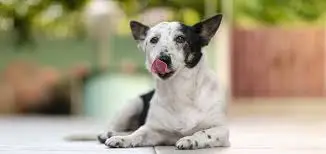
1.Normal Lip Licking vs. Problematic Excessive Lip Licking
There are two main categories of licking behavior in pets. One is the harmless physiological licking and the other is the pathological excessive licking that denotes the existence of the illness. It is normal to lick lips occasionally after eating, drinking or smelling food or if a pet has lips dirty. In such cases, animals lick only once or twice and then fully stop. They will keep the same level of changing energy, appetite, and activity and show no signs of discomfort. On the contrary, pathological lip licking takes place in the absence of any external stimulus. Pets will keep licking their lips and the corners of their mouth even when they have no food, their face has been washed, and the fur is clean. They frequently perform mouth clamping, head shaking, and dropping of saliva to an excessive degree. Such continuously repeated behavior is a sign of physical pain or emotional distress and should be checked and treated without delay.
2. Common Misconceptions About Pet Lip Licking Behavior
A handful of pet owners have erroneous beliefs about licking habits. The largest misconception is that they treat all lip licking as a simple grooming and if the pet continues to eat and sleep normally they believe the pet is healthy. They ignore the possibility of pain and illness. Many owners think that a pet who licks repeatedly is hungry, so they give them more snacks which only adds to the gastrointestinal troubles. Some of them simply reprimand or stop the action without looking at the reasons for the oral problems, skin inflammation, or stomach issues. Besides, most pet parents do not realize that lip licking is a very common self-soothing reaction which pets use when they are under stress, feeling nausea or pain. This is why they often do not catch the early signs of disease.
3.Health dangers you don’t see when ignoring abnormal lip licking
What many see as a simple gesture can have very serious health consequences down the line if ignored. Dysfunctional lip licking due to oral problems worsens existing mouth ulcers, periodontal disease, and angular cheilitis, thereby causing bad breath, mouth sores, and eating discomfort, etc., on a permanent basis. Licking that comes from stomach ailments, acid reflux, and nausea manifests as chronic indigestion, recurring gastritis, and frequent vomiting or diarrhea. In the case of lip licking caused by skin allergies/fungal infections, a vicious circle is created resulting in redness, hair loss, and persistent dermatitis. Moreover, constant pain or discomfort in pets often keeps them depressed and grumpy, leading to loss in appetite and sleep, lowering immunity, and speeding up the progression of chronic and age-related diseases.
4. Basic Examination & Treatment Protocols for Pet Lip Licking
Typical rules of thumb for assessing pet lip licking include identifying the situation, screening the potential causes, considering the necessary care, and implementation of the early responses. To begin with, figure out if the licking is after meals as normal cleaning or if it is happening randomly during the day as abnormal repetitive behavior. Besides, put oral health first when looking for signs such as inflamed mucous membranes, broken skin, tartar buildup, and tooth damage. Next, check on digestive health, facial skin condition as well as emotional state to make sure that stress, pain, and allergic reactions have been ruled out. Always carry out healthy oral hygiene and give soft, non-irritating food on a daily basis. Keep on monitoring behavioral changes and seek professional help from a veterinary doctor without delay if abnormal licking together with other symptoms continues so as to prevent small disorders from turning into bigger ones.
5.Impact of Age and Fitness Levels on Pet Licking Habits
Age and physical fitness are key elements in determining how often pets lick their lips and the reasons behind it. Digestive systems of young puppies and kittens are sensitive, and their oral structures are still developing, so they might lick their lips when experiencing mild indigestion or temporary mouth discomfort. Such situations are generally brief and physiological. On the other hand, healthy adult animals hardly ever lick their lips all the time; a constant licking in this period of life is a clear sign of health issues. Older pets with a poor immune system, aging oral tissues, loose teeth, and a less efficient digestive system are the most likely to engage in excessive lip licking. Besides, sensitive, allergic, and gastrointestinal-fragile animals also exhibit a lot more interpreted licking behaviors than healthy animals.
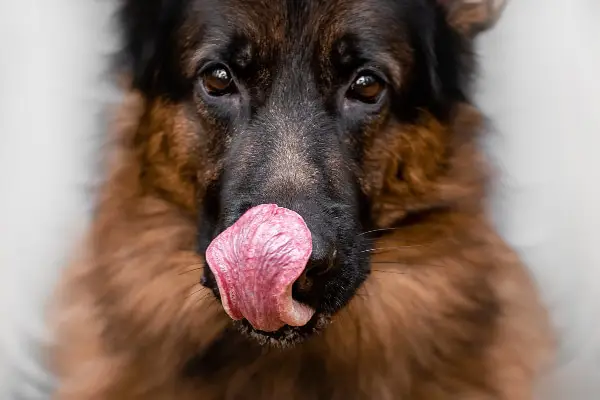
6. Cats and Dogs: Different Health Interpretations of Lip Licking
In cats, lip licking is often a very indirect and subtle way of conveying their health status. This is because cats can endure a lot of pain and do not show signs of sickness very often. When a cat licks its lips repeatedly, it may be an indication of mild nausea, chronic oral inflammation, or a long-term stress and anxiety, as the cat does not show almost any exterior symptoms, which makes the owner’s likelihood of ignoring the presence of chronic gastrointestinal and dental diseases very high. However, in dogs, lip licking is a more visible and instinctive sign. Apart from the oral discomfort, dogs heavily lick their lips to soothe themselves when subjected to stressful situations such as being in an unfamiliar environment or being scolded. Additionally, dogs also lick their lips multiple times right before vomiting or having stomach reflux, which makes it much easier to identify their abnormal behaviors.
7. Key Warning Signs of Abnormal Pet Lip Licking
Pet owners should treat the following lip licking behaviors as critical health warnings requiring immediate checks. First, continuous all-day lip licking with no food stimulation or external dirt triggers. Second, licking accompanied by teeth grinding, mouth clamping, head shaking, and constant scratching at mouth corners. Third, persistently moist, red, inflamed mouth corners with local hair loss and scabs caused by excessive dampness. Fourth, accompanying symptoms including bad breath, drooling, picky eating, painful chewing, and refusal of hard kibble. Fifth, low energy, reduced activity, constant hiding, and non-stop repetitive licking. Sixth, significantly increased lip licking during stress, isolation, or exposure to unfamiliar surroundings.
8. Practical Care Tips to Reduce Excessive Lip Licking
First, maintain daily oral hygiene through regular brushing and mouth corner cleaning to eliminate tartar buildup and prevent ulcer-induced licking. Second, adjust daily diets by removing greasy, salty, and hard foods and offering mild, easily digestible meals to reduce oral and gastrointestinal irritation. Third, trim facial fur regularly to avoid trapped dirt, moisture buildup, and fungal inflammation around the mouth. Fourth, reduce unnecessary scolding and environmental stress, and provide gentle companionship to relieve anxiety-driven licking. Fifth, inspect oral and facial skin conditions daily to treat minor wounds and inflammation early. Sixth, schedule prompt veterinary examinations for persistent licking to screen for gastrointestinal disorders, oral diseases, and allergies for targeted treatment.
9. Core Reasons for Chronic Repetitive Lip Licking in Pets
Persistent lip licking in pets falls into three major categories: physiological, pathological, and psychological causes. Occasional physiological licking results from food residue and minor mouth irritation, requiring no intervention. Pathological causes are the primary trigger, including oral infections, tooth decay, stomach acid reflux, nausea, mouth corner fungal infections, and allergic skin pain, as pets lick constantly to relieve physical discomfort. Psychological factors involve chronic anxiety, nervousness, fear, and insecurity. Lip licking acts as a self-soothing mechanism, commonly seen in timid, sensitive pets that experience frequent scolding and sudden environmental changes.
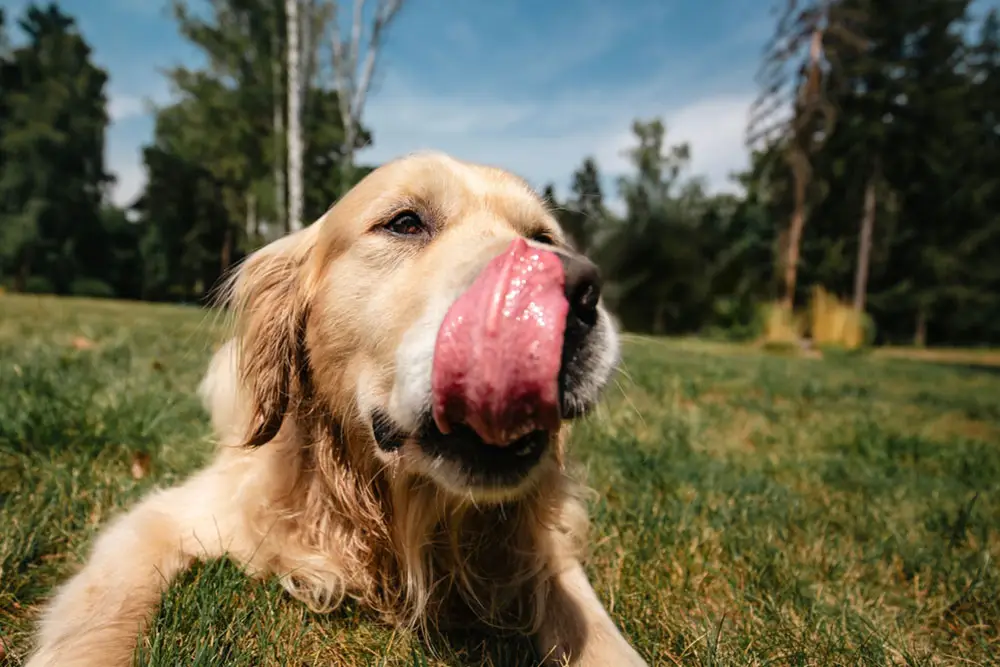
10. FAQs About Pet Lip Licking and Health Issues
Q1: Does occasional lip licking mean my pet is sick?
A: No. Sporadic licking after eating, drinking, or smelling food is normal grooming behavior. Only continuous, high-frequency, untriggered repetitive lip licking suggests potential physical discomfort or illness.
Q2: Can I observe my pet at home for frequent lip licking?
A: You may monitor your pet for 1 to 2 days while checking oral health, mouth skin, and appetite. If excessive licking continues alongside lethargy, drooling, and picky eating after home conditioning, seek a professional veterinary diagnosis promptly.