Do Pets Dream? Science-Backed Secrets Behind Their Sleep Behaviors

Every pet owner has witnessed their cat or dog’s adorable sleeping habits: twitching limbs, subtle mouth movements, soft whimpering, trembling whiskers, and occasional tail flicks. Most people find these behaviors cute and dismiss them as random, meaningless twitches during sleep. However, these subtle nighttime movements are never accidental. Numerous animal behavioral studies and neuroscientific research confirm that cats and dogs do dream. Their tiny sleep motions are direct reflections of dream activity. Learning to interpret your pet’s sleep behavior not only helps you understand their inner emotions but also allows you to distinguish normal dreaming from abnormal health red flags. This article breaks down the scientific principles of pet dreaming, common sleep misconceptions, and professional sleep care tips for pet parents.

1. Normal Dream Twitches vs. Abnormal Pathological Tremors
Pet sleep movements come in two very different kinds: the dream-related twitches that are harmless and the pathological tremors that indicate the presence of a disease. Normal dream-time movements are soft, occasional, and rhythmical. They include a gentle kick of a leg, a soft trembling of a whisker, a little murmur, and a minor twitch of a tail. Besides, pets breathe regularly; they stay completely relaxed in their sleep and their behavior is back to normal and very active after waking up. So, dreaming is a healthy sign. On the contrary, abnormal pathological convulsions are extremely strong, non-stop, and stiff. These pets exhibit such things as full-body stiffness, severe limb shaking, continuous spasms, quick breathing, uncontrolled eye movements, and involuntary growling. Besides, after waking up, they usually look tired, weak, and confused, which is a telltale sign of a neurological problem, calcium deficiency, or physical ailment pointing to the necessity of immediate intervention.
2. Common Misconceptions About Pet Dreaming and Sleep Behavior
There are a number of misunderstandings about pet dreaming, which are commonly held by the majority of pet owners. The most widespread one is that animals do not dream, therefore thought to be all sleep motions that show their body hurting or sick. Upon seeing their pets twitching, quite a lot of owners try to shake or wake them without knowing that cutting off suddenly deep sleep can result in extreme stress, fear, and even biting in defense or restlessness. The third group of owners considers that the presence of frequent dreams is the sign of poor sleep or bad health, so they tend to give their pets additional nutritional supplements ignoring the fact that stress in the environment and immaturity of the brain are the main causes. Moreover, a lot of pet parents are unable to tell normal dreaming from an epileptic seizure, which means that diagnosis and treatment of the underlying disease are delayed.
3.Hidden Risks of Ignoring Abnormal Pet Sleep Movements
Sleep twitches, which may seem very minor, can actually be a sign of a fatal health issue. Not only can spasms caused due to the neurological disorder be confused with sleep twitches but this can further worsen the condition and cause a chronic sleep disorder or seizures. Frequently waking the sleeping pets can be equally harmful as it interrupts their deep and restorative sleep, thereby lowering their immune system, making them anxious and sensitive and fearful. Constantly restless and disjointed sleep can make the pets irritable, give rise to exaggerated startle response changes and loss of appetite. Besides these effects, failure to get quality sleep also has other different effects on pets at different stages of life. For example, a puppy that does not get enough sleep will be stunted in his physical as well as neurological development whereas an elderly dog that is sleep deprived will undergo organ failure at a faster rate and their quality of life will drastically decrease.
4. Standard Principles for Pet Sleep Care & Dream Intervention
Great care of pet sleep means, among other things: not intervening in normal dreams, making the right differential diagnosis between abnormal and normal symptoms, ensuring sleep environments livable and boring, and respecting the ecologic needs of the animals. So, firstly, owners should attend to their pets’ natural sleep rhythms and not accidentally cause them distress by touching or waking them when, in fact, they are simply making harmless fluttering motions in dreams. Secondly, it’s a must to have a clear understanding of what a dream movement is and what a pathological convulsion. Thirdly, designing a sleeping room where the dog will not feel any stress due to sounds or lights is a fundamental requirement for getting a good night’s sleep. Keep it quiet, dark, warm and isolated from human interference. Last but not least, to get a good sleep, it is very important to have a regular schedule for sleep and monitoring their state of sleep on a daily basis so that the smallest sign of a possible abnormality can be picked up and the animal could be taken to the vet in good time.
5.How Age and Body Size Affect Pet Dreaming Frequency
Besides overall sleep quality, dreaming frequency of pets is hugely influenced by their age and body size. For instance, puppies and kittens are born with less developed nervous system leading to lighter stages of sleep i.e., they dream frequently, and twitch, kick, and whimper regularly at night – all of which are typical growth behaviors. On the other hand, adult pets with properly matured nervous systems get stable, restful sleep, dream less, and hardly move at night. Finally, aging pets undergo neural deterioration and become more hypersensitive, thus resulting in them sleeping restlessly, dreaming frequently. Besides, in terms of body size, small pets have more rapid metabolism and shorter sleep cycles hence, they dream more while large breeds have much better sleep with fewer partial awakening and dream-related movements.
6. Cats vs. Dogs: Key Differences in Dreaming Behaviors
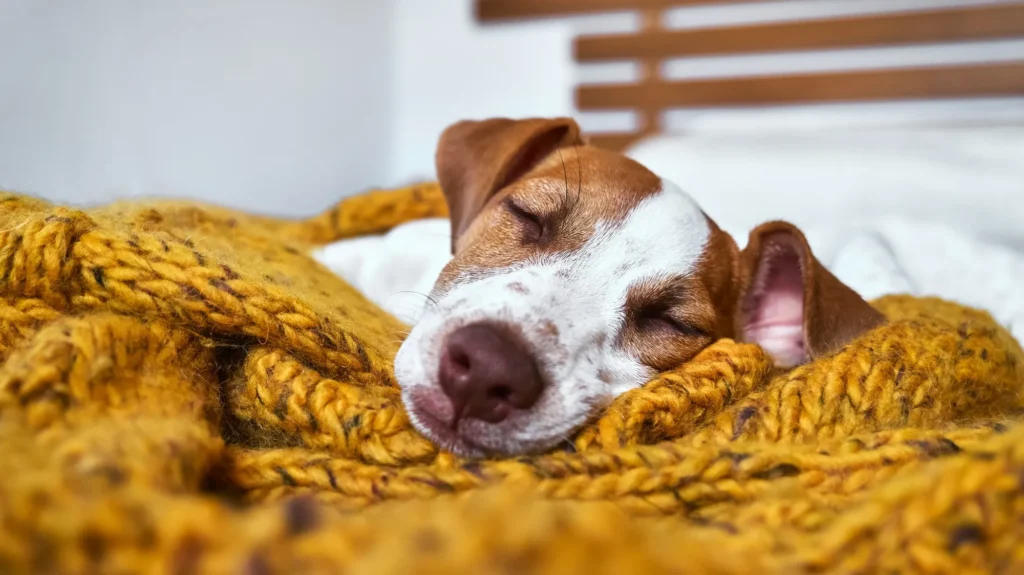
There are clear differences between cats and dogs when it comes to dreaming. For example, dog dreams are not only a reflection of their waking experiences, but the dogs also make a lot of their dream-related movements, such as leg kicking, running, and vocalization in the form of low growling, chasing, playing, and exploring while dreaming. The dream actions of dogs are large and very distinct. In contrast, the cat’s dreaming is hardly noticeable as it mainly reveals itself through the twitching of whiskers, slight movements of the mouth, ear flicks, extremely rare tail tremors, and very little limb motions. While a cat may be quite vigilant during a light sleep and can be woken easily, a dog on the other hand, spends a good deal of time in deep sleep with more immersive and easily noticeable dream behaviors.
7. Critical Warning Signs of Unhealthy Pet Sleep Movements
Pet owners must recognize the following abnormal sleep behaviors as urgent health red flags, which are never typical dreaming reactions. First, continuous full-body rigidity and violent, uncontrollable spasms that do not stop spontaneously. Second, excessive drooling, foaming at the mouth, limb stiffness, and loss of bladder or bowel control during sleep. Third, frequent sudden waking and chronic fragmented sleep with constant nighttime restlessness. Fourth, persistent weakness, unsteady gait, dullness, and trembling after waking up. Fifth, accompanied symptoms including rapid breathing, irregular heartbeat, and pale gums. All these signs require immediate professional veterinary inspection.
8. Practical Tips to Improve Your Pet’s Sleep Quality
First, set up a dedicated, quiet, dark sleeping area away from noise, crowds, and harsh light to eliminate sleep disturbances. Second, provide soft, warm, supportive bedding to reduce physical tension and nighttime restlessness. Third, offer moderate daily exercise and interactive play to burn excess energy and prevent nighttime hyperactivity and frequent dreaming. Fourth, avoid startling, teasing, or scolding your pet before bedtime to maintain emotional calm. Fifth, keep up with regular deworming and provide balanced calcium and trace minerals to prevent sleep tremors caused by nutritional deficiencies. Sixth, develop a daily sleep observation habit to accurately differentiate normal dreaming from pathological abnormalities for early intervention.
9. Core Reasons for Frequent Dreaming and Restless Sleep in Pets
Three main factors cause frequent dreaming and nighttime restlessness in pets. Physiologically, young pets with developing nervous systems replay daily activities in their brains during sleep, resulting in natural dream twitches. Environmental and psychological factors include noisy surroundings, improper lighting or temperature, and chronic anxiety, insecurity, and timidity, which lead to light, fragmented sleep and excessive dreaming. Pathological causes cover calcium and mineral deficiencies, skin itching, neurological disorders, and early seizure symptoms, all of which trigger abnormal sleep convulsions requiring serious attention and timely treatment.
10. FAQs About Pet Dreaming and Sleep Behavior
Q1: Is frequent leg kicking and whimpering during sleep a sign of dreaming?
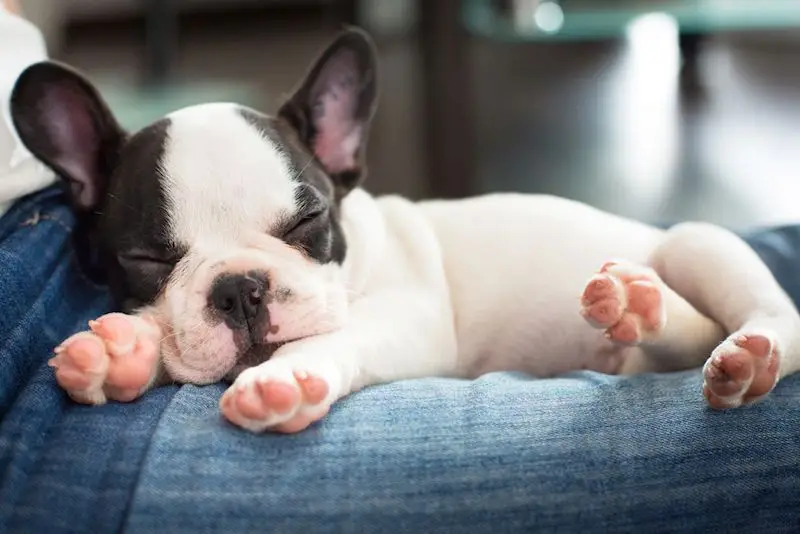
A: In most cases, these are normal dream behaviors. It is completely harmless if the movements are gentle and intermittent, and your pet maintains normal energy, appetite, and mood after waking. Violent continuous spasms accompanied by post-sleep lethargy indicate potential health issues that need examination.
Q2: Should I wake up and comfort my pet while they are dreaming?
A: It is not recommended. Abrupt touching or waking during deep sleep and dreaming causes severe stress and may lead to accidental biting or panic restlessness. For normal dream movements, quiet observation without intervention is the safest choice.