Rabbits, Hamsters, or Guinea Pigs: Which Small Pet Fits Your Life?

Small pets can bring fascinating behaviour and companionship into a home, but their size does not tell you how much care they need. Rabbits require room to run, hamsters need opportunities to burrow, and guinea pigs depend on suitable companions.
Choosing between them means looking beyond appearance. Your schedule, available space, expectations about handling, and ability to provide daily care all matter.
1. Match Their Routine to Yours
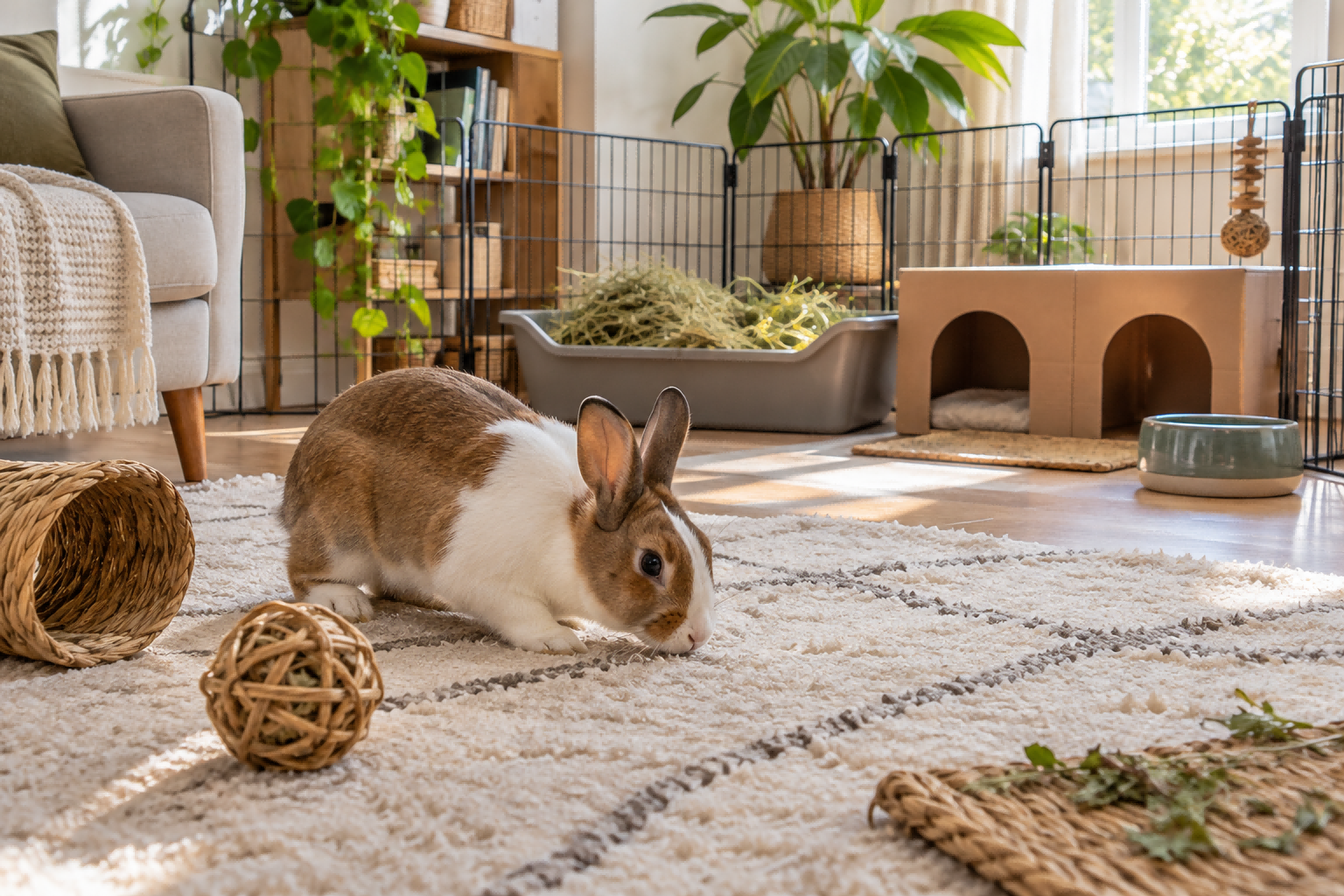
Rabbits are generally most active around dawn and dusk. They may suit someone who enjoys quiet interaction in the morning and evening, although they still need care and access to their living space throughout the day.
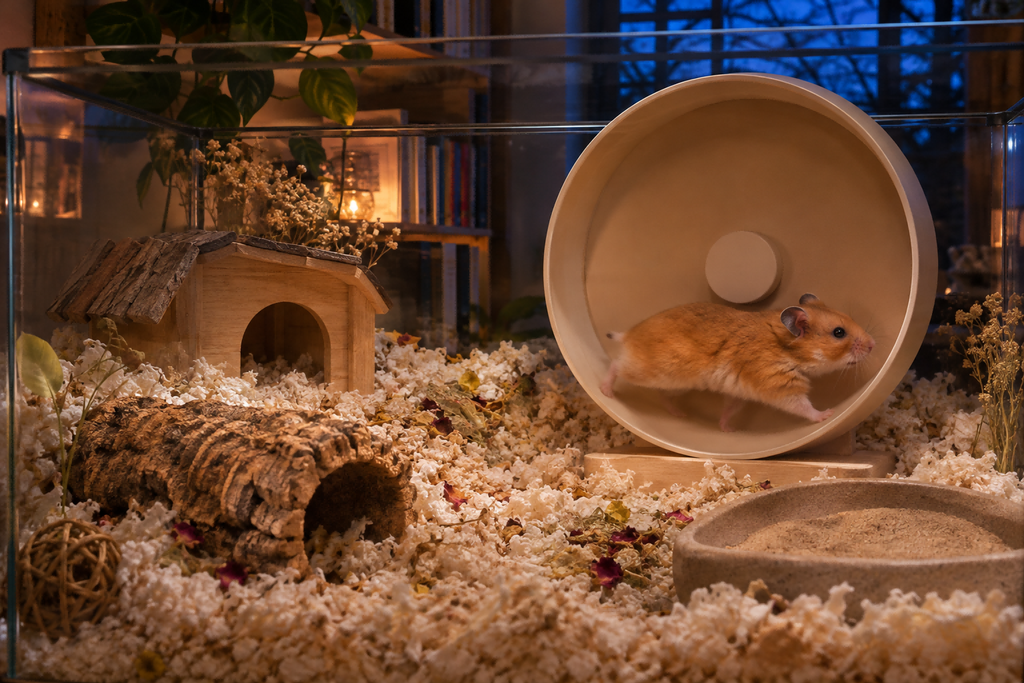
Hamsters usually sleep during the day and become active in the evening or at night. They are a poor match for someone expecting regular daytime play.
Guinea pigs alternate activity with short periods of rest throughout the day and night, often becoming especially active around dawn and dusk. Their grazing and social behaviour can offer more daytime observation opportunities.
2. Measure the Space You Can Actually Provide
A small animal still needs a substantial, carefully arranged home.
Rabbits need space to hop, stretch, run, and stand upright, with constant access to an exercise area. A small hutch alone cannot accommodate these activities.
Guinea pigs need generous floor space, shelters, and room to move around one another. Extra levels do not replace a suitable main living area.
Hamsters need a spacious enclosure with deep bedding for burrowing, hiding places, and an appropriately sized solid running wheel. A tiny cage with elaborate tubes can still lack usable space.
3. Understand Their Different Social Needs
Rabbits and guinea pigs need compatible companions of their own species. Human attention is valuable, but it does not provide the same companionship.
Consider adopting an established rabbit pair or compatible guinea pig pair or group through a knowledgeable rescue. Seek advice about introductions, sexing, and neutering where appropriate.
Hamsters are different. For a prospective owner, planning to house one hamster alone is the appropriate starting point. Syrian hamsters must live separately, and other species can also fight when housed together.
Do not keep rabbits and guinea pigs together as companions. Their communication, dietary needs, and physical abilities differ.
4. Be Realistic About Handling
None of these animals comes with a guarantee of enjoying cuddles.
Many rabbits prefer interaction at ground level and may find being lifted frightening. Sit nearby and allow them to approach voluntarily.
Guinea pigs can become comfortable with gentle contact, although many remain cautious about being picked up. Support their bodies securely when handling is necessary.
Hamsters are delicate and can move quickly. Let them wake naturally before interaction, and handle them close to a safe surface to reduce the risk of falls. Never wake a sleeping hamster simply to fit your schedule.
5. Learn Their Feeding Requirements Separately
Rabbits and guinea pigs are herbivores whose diets centre on suitable hay or grass. They also need appropriate greens, measured species-specific pellets, and fresh water.
Guinea pigs require a reliable dietary source of vitamin C because they cannot produce enough themselves. Ask a knowledgeable veterinarian whether their diet meets this need.
Hamsters have different nutritional requirements. Use an appropriate hamster diet with suitable additions rather than feeding rabbit or guinea pig food.
Introduce dietary changes gradually and follow guidance for the individual animal. Treats should complement a suitable diet rather than displace it.
6. Plan for Daily Cleaning and Observation
All three need daily checks of food, water, behaviour, and their living environment. Remove spoiled food and soiled material, and maintain clean feeding equipment.
Rabbits and guinea pigs produce considerable hay and bedding waste. Think about storage, laundry, and disposal before bringing them home.
For hamsters, use a cleaning approach that maintains hygiene while avoiding unnecessary destruction of their entire burrow system and familiar scent environment.
Holiday care is essential too. Choose someone who understands the species and can recognise changes in eating, droppings, movement, or breathing.
7. Budget for Veterinary Care Before Adoption
Find a veterinarian experienced with your chosen species before you need one. Small animals can require specialist knowledge, and treatment costs may be substantial compared with their purchase price.
Budget for routine care, emergency treatment, transport, and any locally recommended preventive measures. Rabbits may need vaccinations depending on where you live and the diseases present.
A sudden reduction in eating or droppings, breathing difficulty, or marked lethargy needs prompt veterinary attention. Small pets may hide signs of illness, so daily observation matters.
8. Consider Noise, Household Activity, and Commitment
A hamster’s wheel and digging can disturb light sleepers if the enclosure is in a bedroom. Guinea pigs may squeak loudly in anticipation of food. Rabbits may chew furniture, cables, or other accessible objects unless the environment is protected.
All need secure surroundings away from predators, excessive noise, and temperature extremes.
Also consider how your life may change. Hamsters commonly live around two to three years; guinea pigs often live for several years, and rabbits can require care for a decade or longer. These are planning estimates, not limits on an individual animal’s lifespan.
9. Compare the Lifestyle Fit
| Consideration | Rabbits | Hamsters | Guinea pigs |
|---|---|---|---|
| Typical activity | Especially dawn and dusk | Mainly evening and night | Activity and naps across day and night |
| Companionship | Compatible rabbit companion | Plan individual housing | Compatible guinea pig companions |
| Housing priority | Large area for running and hopping | Spacious enclosure with deep bedding | Generous floor space and multiple shelters |
| Interaction style | Often best at ground level | Patient observation and gentle handling | Quiet social interaction and gradual handling |
| Household preparation | Extensive rabbit-proofing | Escape prevention and burrowing setup | Space, hay storage, and regular cleaning |
The best fit is the animal whose needs you can meet consistently, including on busy days.
10. Frequently Asked Questions
Which is easiest for a beginner?
There is no universal answer. Choose according to the care you can provide, rather than a reputation for being easy.
Which suits someone who works during the day?
A hamster’s evening activity may align with that schedule, but daily care and respect for its sleep remain essential.
Can I keep just one rabbit or guinea pig?
Normally, plan for compatible same-species companionship. Exceptional circumstances require individual professional advice.
Are these good pets for young children?
Adults must take responsibility for care. Children need supervision and guidance around delicate animals.
Should I adopt before buying equipment?
Speak with a rescue first, then prepare suitable housing before the animals arrive. Their advice can help you choose both the pets and the setup.