Can Pets Sense Barometric Pressure Changes? How Weather Shifts Cause Abnormal Behaviors

1.Usual Pet Behavior Changes vs. Reactions to Air Pressure Changes: Identifying the Difference
Infrequent bursts of playfulness, sleepiness, or a desire to be close are part of the normal variations in pets’ moods. These short-term changes go away on their own, and there are no changes in food intake, digestion, or energy levels. On the other hand, pressure-caused odd behaviors are a weather-related pattern that the pet has to follow. Sensitive animals, for example, on the day of an overcast sky, a strong wind, or a heavy rain, always display signs of anxiety, activity such as hiding, lethargy, loss of interest in play, and heavy panting, and only return back to their normal state after the weather changes. So, ordinary mood changes are random and self-recovering, but barometric pressure reactions are quite predictable, natural reactions to sensory stimulation from the environment.

2. Typical Pet Owner Errors in Understanding the Relationship Between Weather and Pet Behavior
Most pet owners are unaware of how atmospheric pressure strongly affects the mental and physical well-being of pets. One of the most common misunderstandings is that only very bad weather conditions like thunderstorms and snowstorms have an effect on animals while they completely disregard small changes such as humid weather, cloudy sky, and sudden pressure drops. When pets get anxious, hide in corners, or become more dependent on the owner without any apparent reason, owners are referring to their stress as misbehavior or stubbornness and even scold them at times. Many owners do not pay attention to the changes in humidity and the magnetic field but only note the changes in temperature. As a result, they leave their pets experiencing recurrent emotional stress and disrupted sleep without the appropriate relief.
3.Hidden Harms of Long-Term Barometric Pressure Fluctuations
Sudden change in weather and pressure fluctuations are the main factors that cause physical and mental harm at the same time to weather-sensitive pets (for example: cats, dogs, and other animals in the house that live with humans and depend on their owners). Physiologically, new, unknown environmental stimuli that appear again and again cause the emotion of anxiety to become chronic (constant), so that the pets become more fearful, more easily startled, and more tense emotionally, weaker overall sense of security. On the other hand, physically, changing our body through-the-scenes pressure results in our body being out of balance, which induces feelings of dizziness, tightness of chest, tiredness, and sore joint. Besides, old and arthritis pets are the only ones that experience the discomfort the most. Stress that is continuous will also change and worsen the eating habits and sleep patterns which will in course result to a weaker immune system and a high susceptibility of pets to get seasonal illnesses and to have stress reactions.
4. Standard Pet Care Rules for Unstable Weather and Pressure Shifts
The basic care rules for pressure-sensitive pets are early forecasting, a stable environment, low stimulation, and a comforting avenue. Avoid forcing interaction or startling pets when the seasons are changing, the days are rainy, or pressure is unstable, and keep a quiet atmosphere indoors. Always supply a fixed safe resting area reserved only for the pets where they can go to at any time and use stress-relief without restrictions. Try to avoid bathing, going outside for a walk, or doing any of the changing of the environment during weather changes in order to get rid of the superimposed stress. Maintain regular meal times and food portions to avoid any physical imbalance. Pet owners should always be calm and relaxed in order not to increase the indoor tension and to help pets get through the unstable conditions effectively.
5.How Age and Health Condition Affect Pet Pressure Sensitivity
Age and health wear are really big factors in changing how pets react to weather. Very young puppies and kittens have nerves that can work really well but are very sensitive to pain and to is why they are very responsive to changes in air pressure, they are also prone to being restless and having their sleep disturbed. Older pets with degenerating joints and low physical fitness may experience joint pain and exhaustion in times of changing pressure, they may be seen by others as being overly sleepy and lack of energy. Healthy grown-up pets are usually the most stable ones with a good level of stamina and they can usually tolerate things quite well, mood changes being only slight. Shy, easily stressed pets, as well as pets with joint problems or poor cardiopulmonary health, are the ones most susceptible to weather and pressure changes.
6. Cats vs. Dogs: Different Behavioral Reactions to Pressure Changes
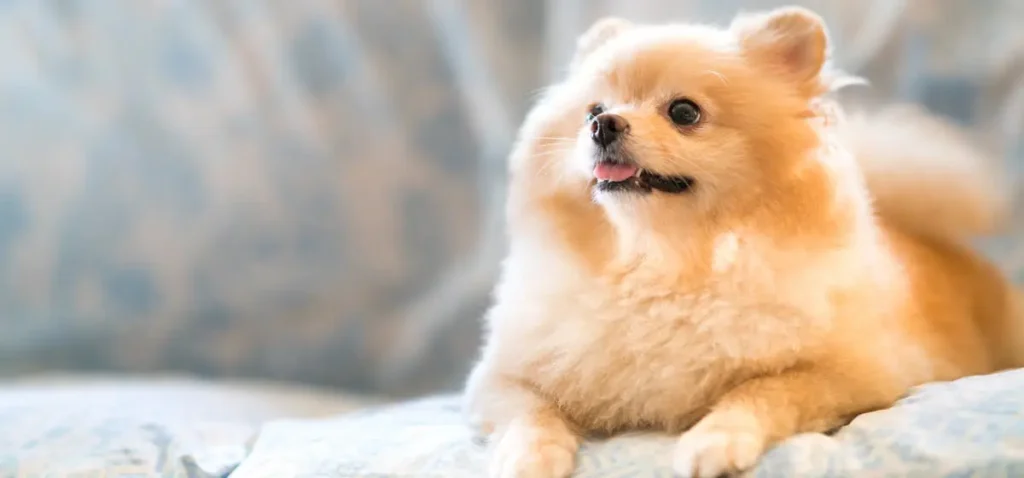
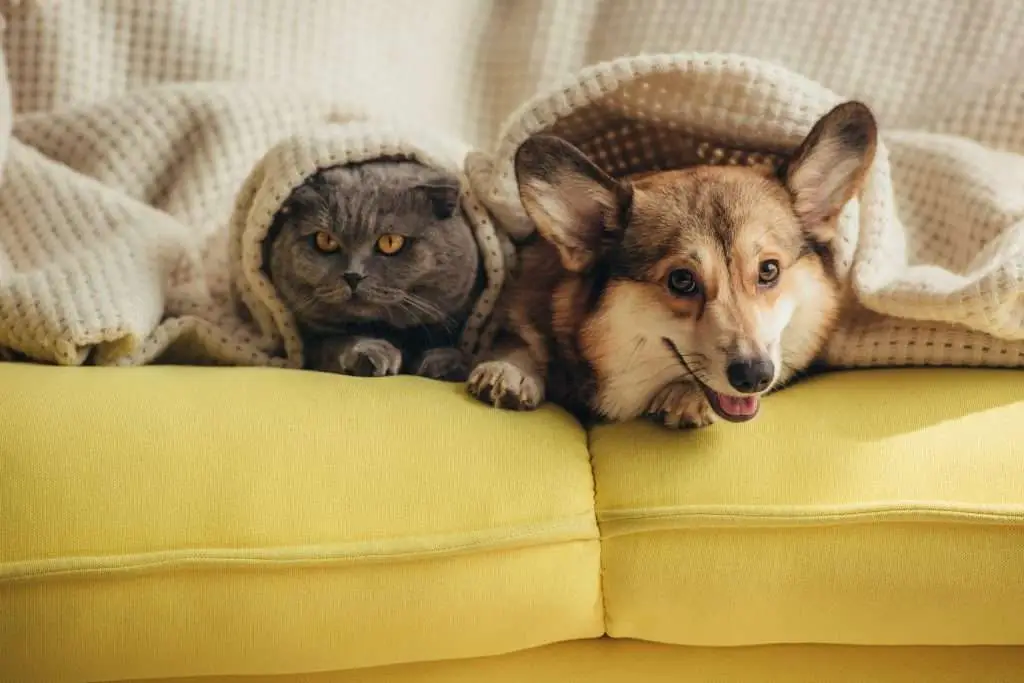
Cats respond to pressure and magnetic fields changes with shockingly accurate perception; they reveal their stress only by the subtlest and most hidden change of behavior patterns. When the pressure drops and clouds cover the cat’s heaven, the feline usually hides in tight corners, remains in bed all the time, and drastically reduces movement. Some felines show signs of over-grooming, increased clinginess, and mild stress symptoms including appetite reduction and delayed urination. Dogs on the other hand, display a lot more obvious exterior behavior changes. A pressure change makes a dog become restless and pacing, whimpering, looking out of the window all the time, and maybe clinging to the owner is obsessive. Many dogs become abnormally agitated or hyperactive, have difficulties sleeping at night, and might even develop destructive chewing or barking.
7. Typical Signs That Your Pet Is Affected by Barometric Pressure
Pets show clear early warning symptoms before weather changes occur. Emotional signs include unexplained anxiety, clinginess, irritability, and poor focus. Behavioral signs involve frequent hiding, restless pacing, refusal to settle, and repetitive repositioning while resting. Physical symptoms cover lethargy, sleepiness, reduced appetite, rapid panting, and muscle tension. Sleep disturbances include light, easily interrupted sleep and nighttime restlessness. If these behaviors consistently appear before every weather shift, your pet is confirmed to be weather and pressure sensitive.
8. Practical Methods to Reduce Weather Sensitivity and Calm Anxious Pets
First, check weather forecasts in advance and reduce outdoor activities and bathing on unstable pressure days to avoid extra stress. Second, set up enclosed pet beds or tent shelters to create a secure, wrapped safe space for relaxation and hiding. Third, play white noise or soft gentle music to mask subtle environmental changes and stabilize the indoor atmosphere. Fourth, offer low-intensity play sessions with treats and toys to distract pets from anxious feelings. Fifth, keep indoor layouts unchanged and avoid deep cleaning or environmental adjustments during bad weather. Sixth, provide gentle companionship and soft petting to stabilize anxious moods. Seventh, keep senior pets with joint pain warm on rainy days to relieve pressure-induced soreness.
9. Core Scientific Reasons Why Pets Can Sense Weather and Pressure Shifts
Pets’ accurate weather prediction ability stems from two key evolutionary advantages. First, superior sensory capabilities. Cats and dogs have highly sensitive inner ear balance systems, hearing, and olfactory senses that detect tiny variations in atmospheric pressure, humidity, magnetic fields, and air ions—changes completely invisible to humans. Their bodies feel physical discomfort long before humans notice weather shifts. Second, innate survival instinct. Wild canines and felines evolved precise weather detection skills to avoid natural disasters. This genetic instinct turns physical discomfort and environmental uncertainty into hiding, restlessness, and anxiety during sudden weather changes.
10. FAQs About Pet Weather Sensitivity and Barometric Pressure Stress
Q1: Does frequent weather-induced anxiety harm pet health?
A: Mild, short-term mood fluctuations cause no harm. However, long-term repeated pressure stress and poor sleep gradually weaken immunity, disrupt appetite and mental state, and increase the risk of seasonal illnesses and gastrointestinal disorders.
Q2: Can pets improve their sensitivity to rainy and unstable weather?
A: Yes. A stable long-term indoor environment, dedicated safe resting space, and positive emotional guidance can significantly reduce pets’ weather sensitivity and minimize pressure-induced behavioral abnormalities and anxiety.