Does Indoor Winter Heating Affect Pet Health? Common Issues & Prevention Tips

When winter temperatures plunge, indoor heating via central heating, floor heating, and air conditioners are becoming household basics. Most pet owners believe that warm indoor settings protect cats and dogs from the cold, frostbite, and hypothermia with no side effects. Nevertheless, quite a lot of pets develop the same health problems again and again at the time of heating including the skin getting dry, excessive shedding, constipation, respiratory irritation, and even lethargy. Professionally speaking, although heating rooms can keep pets from getting cold-related diseases, continually staying in hot, dry indoor environments can throw off the pets’ bodily balance and cause them to develop what is known as ‘heating syndrome’. If not dealt with properly, prolonged exposure can impair gradually the skin, digestion, and respiratory health of pets. This article presents a detailed examination of how winter heating impacts pets and outlines common health issues and scientifically proven ways of preventing them.
1.Cozy Warmth or Heating Discomfort: What Is Winter Health State of Your Pets Factor?
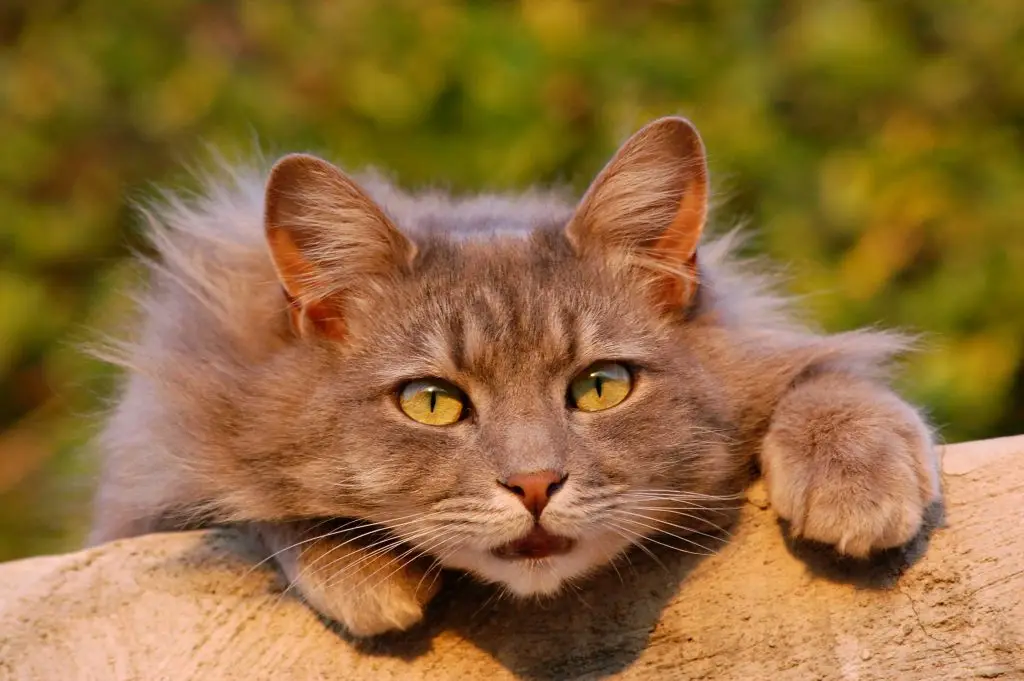
Most pets don’t get used to heated indoor environments well. A pet in good health and comfort should have active energy, good appetite, shining fur, and following of their usual daily habits and no abnormal thirst, frequent scratching or sneezing, body temperature regulation are close to also normal indicators. Besides these, a pet who feels uncomfortable with heating will appear dull, sleepy and inactive, be over-thirsty, get flaky and itchy skin, and produce dry and hard stools. One can clearly distinguish main difference: being properly warm is one of ways pet get relaxed and stable whereas overheated dry surroundings lead to physical imbalance, internal heat buildup, and chronic dehydration that a variety of seasonal health problems may be induced by them over time.
2. Frequently Occurring Winter Heating Mistakes in Pet Care
The majority of heating-related pet health problems are caused by owner’s improper habits. The most common mistake is leaving doors and windows tightly closed at all times for heating, thus resulting in the air being stale, dry, and deprived of oxygen in the indoor environment. Many also increase the room temperature excessively mistakenly believing “the warmer the better”, which leads to pets being exposed to overheating continuously. Also, not paying enough attention to winter hydration is another frequently made mistake as people think that pet’s less intake of water is quite normal, which is not the case, along with the failure to provide their water source being fresh regularly. Some other risky habits include not ventilating the room daily, not paying attention to dust buildup indoors, not moisturizing the pet’s skin, and letting the pet sleep right next to the radiator, floor heating, or air conditioner heat sources.
3.Hidden Health Risks for Pets Staying in Heated Rooms Long-Term
Pets’ long-term exposure to hot, dry heated air brings about hidden damages. Changing in skin and coat condition, a low indoor humidity will destroy the skin’s oil protective layer, resulting in dry flakes, itching intensely, a lot of shedding, plus the risk of fungal and bacterial skin infections is greatly increased. For digestive system, dry heat speeds up water loss inside, leading to internal heat, hard stools, constipation, bad breath, excessive eye discharge. As far as the respiratory system goes, the lack of fresh air and the buildup of dust will irritate the nasal lining and this makes pets sneeze very often and cough harshly. Besides, keeping pets at a high temperature for a long time will get them accustomed to the heat to the extent that they will have a lowered cold resistance and so, they can catch a cold and will get stressed for temperature when they move from indoors to outdoors.
4. Standard Rules for Safe Pet Care in Winter Heated Homes
The main basis for winter heating pet care covers four elements: gentle warmth that is stable, good ventilation, constant hydration, and humidity that is balanced. To be safe, keep the indoor temperature fluently between 20°C and 24°C and this way you will be able to avoid overheating and continuous dry heat, which is harmful. For the purposes of ventilating, open the windows 10 to 15 minutes every day and so you will be able to get rid of the stale indoor air and reduce the bacteria buildup. Get to work on changing humidity inside so as to get rid of the dryness and help the pets skin and the respiratory system complaints. So as to replenish, make sure that your pet has access to unlimited clean water at all times. Above all, keep your pets from sleeping right next to the heating units so that they do not get low-temperature burns and other overheating damages that might get the pet sick.
5.How Age and Breed Make Pets Differ in Their Ability to Withstand Hot Environments
Age and breed are two main factors that can cause pets to respond very differently to heat. Very young animals such as puppies and kittens as well as elderly ones usually have weak physical strength and unstable metabolism, hence, they are quite sensitive to dry heat and also, prone to internal heat, dry skin and respiratory irritation. Strong adult pets with stable bodies are more adaptable but still can feel discomfort in over heated rooms. Regarding breed differences, cats and dogs with long hairs and thick insulating fur can quite easily overheat, have internal heat and suffer from severe shedding in heated surroundings. On the other hand, short-haired and hairless pets that have their skin directly exposed to the dry air are more prone to flaky, itchy skin and heating-related skin damage.

6. Cats vs. Dogs: What Are the Main Differences in Symptoms Caused by Heating?
If anything, cats are really into warmth and one could even say that they are perfect for heated rooms but at the same time, the fact that they have a slow metabolism and are not great at drinking water makes them prone to heating problems. Some typical cat signs are internal heat, constipation, increased eye discharge, more concentrated urine, burning sensation during urination and drastic shedding of fur due to dryness. Dogs have quite active metabolisms and as a result they produce more internal heat thus when they get overheated, they become restless, their mouths get dry and they pant frequently and become lethargic. The dry air coming from heating is also a cause of severe issues of dog skin such as dandruff, itching, dryness and soreness of joints. All in all, heating problems in cats are mainly reflected in the state of urinary system and internal balance, whereas dogs suffer mostly from skin irritation and loss of energy mentally.
7. Typical Behavioral & Physical Signs of Heating Discomfort in Pets
Pets display obvious warning symptoms when heated environments disrupt their health. Abnormal drinking behavior includes sudden excessive water intake far beyond daily habits. Skin and coat issues involve increased dandruff, frequent scratching and licking, and extreme shedding. Physical signs include persistent lethargy, inactivity, dry nose, bad breath, and excess eye boogers. Digestive abnormalities feature hard dry stools, constipation, and dark concentrated urine. Respiratory symptoms cover occasional dry coughing and frequent sneezing. These signals confirm that indoor heating conditions have disrupted your pet’s health and require immediate care adjustments.
8. Practical Methods to Avoid Pet Sickness in Winter Heating Seasons
First, regulate indoor heating temperatures to maintain mild, stable warmth and avoid overheating. Second, use humidifiers or water containers to increase air humidity and relieve dryness. Third, place multiple water bowls and circulating drinking fountains to encourage consistent water intake. Fourth, relocate pet beds away from direct heating sources to prevent thermal irritation. Fifth, ventilate daily to purify indoor air and reduce dust and bacteria buildup. Sixth, groom pets regularly to remove loose fur and reduce dry shedding. Seventh, add wet food and supplementary meals to daily diets to ease internal heat. Eighth, arrange moderate sunlight exposure on sunny days to strengthen immunity and avoid prolonged stuffy indoor confinement.
9. Core Causes of Winter Pet Health Issues Triggered by Heating
Two key factors lead to pet discomfort during the heating season. First is environmental imbalance: heated rooms create high-temperature, low-humidity, poorly ventilated conditions that accelerate moisture loss and continuously irritate pets’ skin, respiratory tract, and digestive system, breaking bodily metabolic and water-oil balance. Second is improper pet care habits: most owners only focus on keeping pets warm while neglecting essential hydration, ventilation, and moisturizing. Winter heating itself is not harmful, but the combination of dry overheated air and outdated maintenance routines causes most seasonal pet illnesses.
10. FAQs About Pet Care in Winter Heated Indoor Environments
Q1: Will pets get sick if they stay indoors with heating on all day in winter?
A: Pets remain healthy with proper temperature control, ventilation, humidification, and sufficient water intake. However, long-term exposure to hot, dry, unventilated rooms without proper care commonly causes skin diseases, constipation, internal heat, and respiratory irritation, known as pet heating syndrome.
Q2: Is increased pet shedding during the heating season normal?
A: Slight seasonal shedding is normal, but excessive shedding accompanied by dandruff and itching is usually caused by dry heating. Timely humidification, skin care, and environmental adjustments are necessary to relieve abnormal fur loss.