How Long After Renovation Can Pets Move In? Safe Waiting Time Guide

Whenever a new house is renovated or an old one is repurposed, every pet lover will wonder the time when it is the most suitable for cats and dogs to live there. Most of the people believe that one or two months’ airing is enough to get rid of the harmful agents and to allow animals to living there. But pets have less powerful metabolic functions, respiratory tolerance, and toxin detoxification functions than people. Dogs and cats are highly sensitive to formaldehyde, benzene, and volatile organic compounds (VOCs). According to professional pet safety, even humans can tolerate indoor environments, but these can be dangerous for pets very often. Moving in too early may lead to respiratory diseases, skin allergies, chronic poisoning, or even severe organ damage in cats and dogs. This paper discusses the scientific moving periods and safety standards for pets moving into newly renovated homes.

1.Visual Clean vs. Actual Safety: How to Judge Post-Renovation Indoor Conditions
More often than not, pet owners equate indoor safety simply with what they can see and smell. This, however, is a major blunder on their part. Just because a home is scent-free and spotlessly clean, it doesn’t necessarily imply that the dangerous gases have completely gone away. Most of the time these toxic substances like formaldehyde, TVOC, and benzene compounds are colorless and odorless. Besides, short-term ventilation only eliminates the pollutants on the surface and these lingering toxins deeply embedded in the boards, glues, and furniture keep emitting for 3 to 15 years. Just because a room is visually clean it only means it is tidy whereas a genuinely safe environment needs to have been measured for air quality with pollutant levels below pet tolerance thresholds. The two conditions are never interchangeable.
2. Common Pet Care Misconceptions After Home Renovations
Most health problems in pets associated with newly renovated homes are actually due to owners’ incorrect assumptions. The single most common mistake is bringing pets in as soon as the room loses the renovation smell not realizing that there are still invisible residual toxins. Besides, in many cases homeowners only open windows and doors for fresh air now and then not realizing that this only helps to some extent and they effectively lock pollutants inside the furniture and panels. Some pet owners, on the other hand, spawn hope in things like green plants, activated carbon for purification, neither of which are really effective when it comes to continuous toxin release. At a further level, there are those who move in first and safely assume the environment is also okay for their pets, forgetting that pets, by nature are way more sensitive and often get chronically poisoned when their owners disregard situations.
3.Hidden Dangers of Pets Moving Into New Homes Too Early
Inhaling renovation pollutants over a long period is very harmful to pets’ health. The respiratory system gets affected first and most as toxic gases don’t only inflame the nasal mucosa and trachea but also cause frequent sneezing, coughing, running nose, and bronchitis. In some cases, these symptoms may even escalate to chronic respiratory diseases if nothing is done. Similarly, volatile toxic substances also harm the skin by penetrating and breaking down the cellular skin barrier, which leads to itching, hair loss, red rash, and recurring skin infections.Besides the skin, the internal organs get affected as pets have a weaker liver and kidney detoxification system and are thus less capable of getting rid of the accumulated toxins. That is why some symptoms include lethargy, loss of appetite and frequent vomiting. It is most unfortunate that prolonged exposure to pollutants can also lead to blood diseases and permanent organ damage in pets.
4. Basic Safety Standards for Pets Entering Renovated Houses
If the renovation work is limited to defining the changes and upgrading certain elements of the home, pets may be allowed to move in after the completion of 1 to 2 months of continuous ventilation and after getting the air quality testing done by a qualified professional who has issued the certificate of the air quality being above par. To the contrary, a complete and luxurious renovation to the extreme extent that it includes custom cabinetry and paintwork which doesn’t only cause high pollutant levels but also prolongs release of dioxide means that the pet’s occupancy should only be allowed after 3 to 6 months of ventilation. Safety is always a priority which is why 3 major standards have been laid down: only air furniture and panels which do not have pungent indoor odors; formaldehyde and TVOC levels should be at a level which is considered safe by the national standards; stay in the condition of consistent ventilation without having any closed and humid corners. These give a very high initiative towards safety in living environment for pets especially cats and dogs.
5.How Age and Breed Affect Pets’ Tolerance to Renovation Pollutants
Age and health status are the factors that determine pet tolerance to pollutants. For example, puppies, kittens, and elderly pets due to their lower immunity and less effective organs are highly sensitive to toxic gases and will need longer periods of airing after renovation. Besides that, to a pregnant or recovering pet with weaker constitution, the newly renovated property is a must be avoided. With regard to breed, short-haired pets have more skin exposure to air toxins whereas the long-haired ones breathe more of the harmful gases due to their faster respiration rate. However, well-grown dogs and cats are more resilient, they too should not be put in the unsafe spaces of untested at new renovations.
6. Cats vs. Dogs: Risk Differences in New Home Occupation
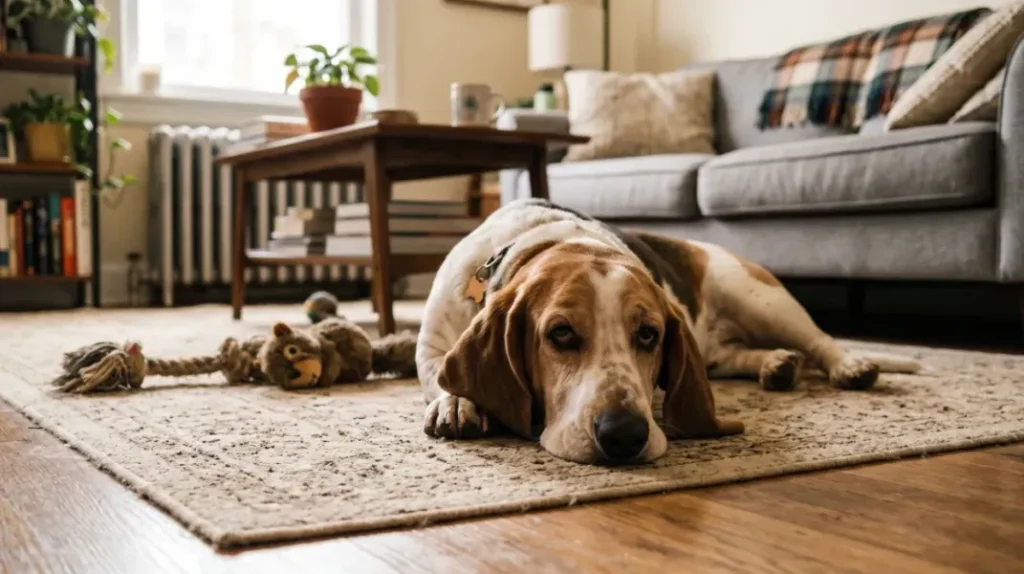
Entering a newly renovated home causes a greater danger for cats than for dogs. Cats have smaller bodies, faster metabolisms, and a higher frequency of breaths so that they take in more pollutants per kilogram of body weight. At the same time, cats are known to be deficient in certain major liver enzymes that help to eliminate toxins, making them almost helpless when it comes to clearing the toxins from their bodies and therefore they are more likely to suffer from chronic poisoning. Besides, cats tend to spend more time lying down at floor level and since they also groom themselves by licking their fur, they end up removing pollutants from the floor through both skin contact and ingestion. On the other hand, dogs have bigger bodies, better detox systems, and do less ground-level activities, however, they still experience health issues when exposed to excessively renovated environments.
7. Early Warning Signs of Renovation Poisoning and Discomfort in Pets
Pets show obvious warning symptoms when indoor pollutant levels exceed safety limits. Respiratory abnormalities include frequent sneezing, dry coughing, rapid breathing, and increased nasal discharge. Skin and coat issues involve sudden extensive hair loss, red skin lesions, persistent itching, and excessive dandruff. Mental and appetite changes feature lethargy, excessive sleepiness, picky eating, loss of appetite, and frequent vomiting. Behavioral anomalies include deliberate avoidance of indoor spaces, staring out windows, anxiety, and listlessness. Owners must relocate pets immediately and test air quality once these signs appear.
8. Scientific Methods to Shorten Ventilation Time for Safe Pet Move-In
Pet owners can accelerate air purification and shorten the waiting period with scientific methods. First, maintain cross ventilation with electric fans to speed up air circulation and pollutant release. Second, use the high-temperature and high-humidity method: close doors and windows to raise indoor temperature and humidity, prompting internal panel toxins to precipitate, then ventilate thoroughly. Third, run air purifiers continuously to filter formaldehyde and TVOC. Fourth, open all cabinet doors and drawers for full-range airing to avoid toxin accumulation. Combining multiple purification methods efficiently shortens the renovation safety cycle.
9. Core Reasons Why Renovation Pollutants Harm Pets
Two key factors explain why renovation toxins severely harm pets. First, physical differences: pets have small body sizes, fast metabolism, and high breathing frequencies, absorbing far more toxins per unit volume than humans. Especially for cats, congenital liver detoxification defects prevent efficient toxin metabolism. Second, living habits: pets spend most of their time lying close to the ground, where harmful gas concentrations are highest. Long-term low-altitude exposure leads to cumulative chronic damage, making pets more susceptible to renovation poisoning than humans.
10. FAQs About Pets Moving Into Newly Renovated Homes
Q1: Can cats and dogs move in after two months of new home ventilation?
A: Pets may move in cautiously for simple partial renovations with qualified air testing. For full renovations with abundant custom cabinetry, extend ventilation to 3–6 months. Always prioritize professional test results instead of ventilation duration alone.
Q2: Is a odor-free new home safe for pets?
A: No. Most renovation toxins are odorless, and human sense of smell cannot detect trace pollutants. Zero odor does not equal zero pollution. Pets can only move in officially after passing professional air quality inspection.