Why Is My Cat Suddenly Losing Appetite? 7 Common Causes & Solutions From Vets

Why do cats suddenly stop eating? The answer is simple: it is usually a warning sign of physical discomfort or a stress reaction caused by environmental or emotional changes. My British Shorthair cat once lost interest in food out of nowhere—she used to be an enthusiastic eater but would only sniff meals and walk away, which worried me a lot. Long-term poor appetite can trigger severe health issues in cats such as fatty liver disease and gastrointestinal damage, so early identification and intervention are essential. In this article, combined with professional veterinary advice, I will break down 7 common causes of sudden appetite loss in cats and practical solutions for cat owners.
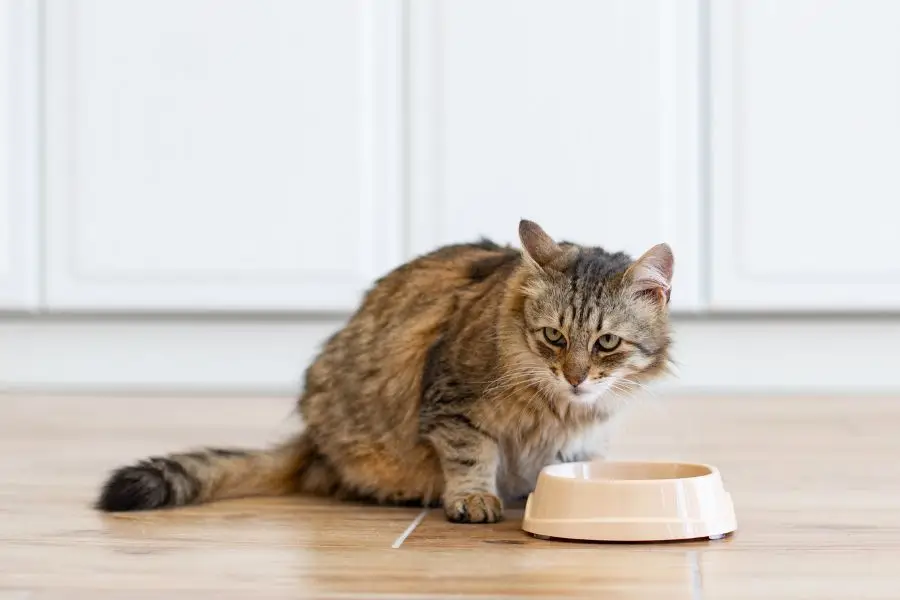
1. Why Do Cats Suddenly Lose Their Appetite?
Sudden loss of appetite in cats falls into three main categories: physical, medical, and psychological. Physical triggers include teething and heat cycles; medical factors cover oral pain, liver or kidney issues, and parasite infections; psychological reasons are most commonly environmental changes, food switching, and stress-induced anxiety. These are the top concerns most cat owners face daily.
2. Common Mistakes New Cat Owners Make
Many owners force-feed their cats, frequently switch cat food brands, or give human-grade appetite stimulants when their pets refuse meals. These actions can worsen gastrointestinal stress and create food aversion, making appetite problems much more serious.
3. Health Risks Caused by Poor Appetite in Cats
As strict carnivores, cats risk abnormal liver metabolism and fatty liver disease if they go without food for more than 24 hours. Long-term under-eating also weakens immunity, causes dehydration and malnutrition. Kittens may rapidly lose weight and face life-threatening risks, so this issue should never be ignored.
4. Simple & Gentle Quick Tips
Warm wet food or cat cans release stronger aromas to stimulate a cat’s sense of smell. Mix small amounts of freeze-dried toppings into dry kibble, and keep food and water bowls clean and odor-free. Cats are more likely to eat when slightly hungry.
5. Link Between Cat Age and Eating Habits
Kittens often refuse food due to teething discomfort or sensitive stomachs. Adult cats mostly lose appetite from stress or oral inflammation. Senior cats aged 7 years and above usually suffer from age-related kidney disease, dental pain, or chronic organ issues that affect eating.
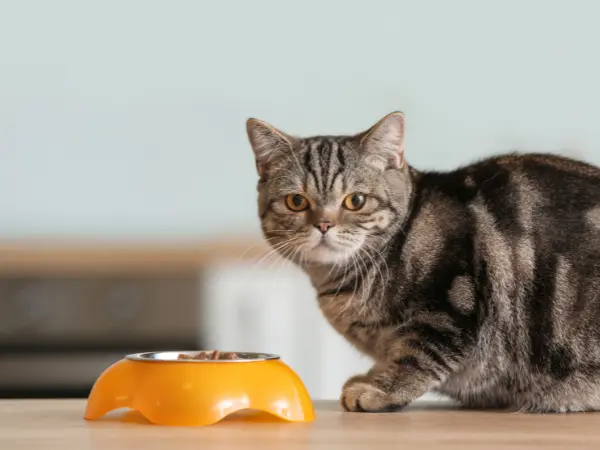
6. Appetite Differences Among Cat Breeds
Short-haired breeds like American Shorthairs and British Shorthairs have stable appetites with fewer fluctuations. Long-haired cats such as Persians and Ragdolls have more sensitive stomachs and often stop eating during seasonal changes or food transitions. Siamese cats are highly sensitive to environmental shifts and prone to stress-related appetite loss.
7. Seasonal & Environmental Impacts
High summer temperatures reduce cats’ natural appetite, as they struggle to regulate body heat. Temperature drops in autumn and winter can cause colds and upset stomachs, leading to sudden refusal of food. Moving homes, house guests, or new pets in the household are also major stress triggers for cats.
8. Special Care for Multi-Cat Households
In multi-cat homes, dominant cats often guard food bowls, leaving timid cats too scared to eat and gradually losing appetite. Cross-infections of parasites and oral ulcers among cats can also cause collective eating problems, so separate feeding is recommended for observation.
9. Safe At-Home Solutions You Can Try (7 Main Causes & Fixes)
- Oral Pain (Stomatitis, Tartar): Check for swollen gums. Use pet-safe dental care products daily and consult a vet for professional scaling if needed.
- Upset Stomach & Bloating: Feed probiotics for gut health, cut out treats temporarily, and switch to easily digestible wet food.
- Stress & Anxiety: Keep the environment calm, avoid forced handling, use cat pheromone diffusers, and reduce external disturbances.
- Cat Food Palatability Issues: Switch food gradually instead of all at once; add freeze-dried toppings or high-aroma wet food.
- Heat Cycles: Consider neutering for adult cats; offer fragrant wet food and extra comfort during mating seasons.
- Parasite Infections: Maintain regular internal and external deworming, and watch for diarrhea or vomiting symptoms.
- Chronic Organ Diseases: Seek immediate veterinary check-ups (blood tests, liver/kidney scans) if appetite loss lasts more than 3 days.
10. Frequently Asked Questions
Q: Should I take my cat to the vet if it skips one meal?
A: Healthy adult cats can be observed for one day. Kittens and senior cats need urgent medical care if they refuse food for over 12 hours, especially with vomiting or low energy.
Q: Can I give human digestive pills to my cat?
A: No. Human medicine contains unsuitable ingredients and unsafe dosages. Use pet-specific probiotics or follow a vet’s prescription only.