Why Does My Dog Suddenly Refuse to Go for Walks? Behavioral & Health-Based Analysis

It is common for dog owners to face a sudden change when their dog resists going out for walks, backing away at the door or pulling the leash to head back home. Most owners mistake this behavior for laziness or a change in temperament. However, unexpected refusal to walk is not merely an emotional issue — it often hides underlying risks such as mental stress, joint pain, or physical discomfort. Long-term avoidance of outdoor walks leads to insufficient exercise, emotional suppression, and weakened immunity in dogs. In this article, we analyze the main causes from both behavioral and physical health perspectives, along with practical troubleshooting and improvement methods.
1. Is Refusing Walks Simply a Sign of Laziness in Dogs?
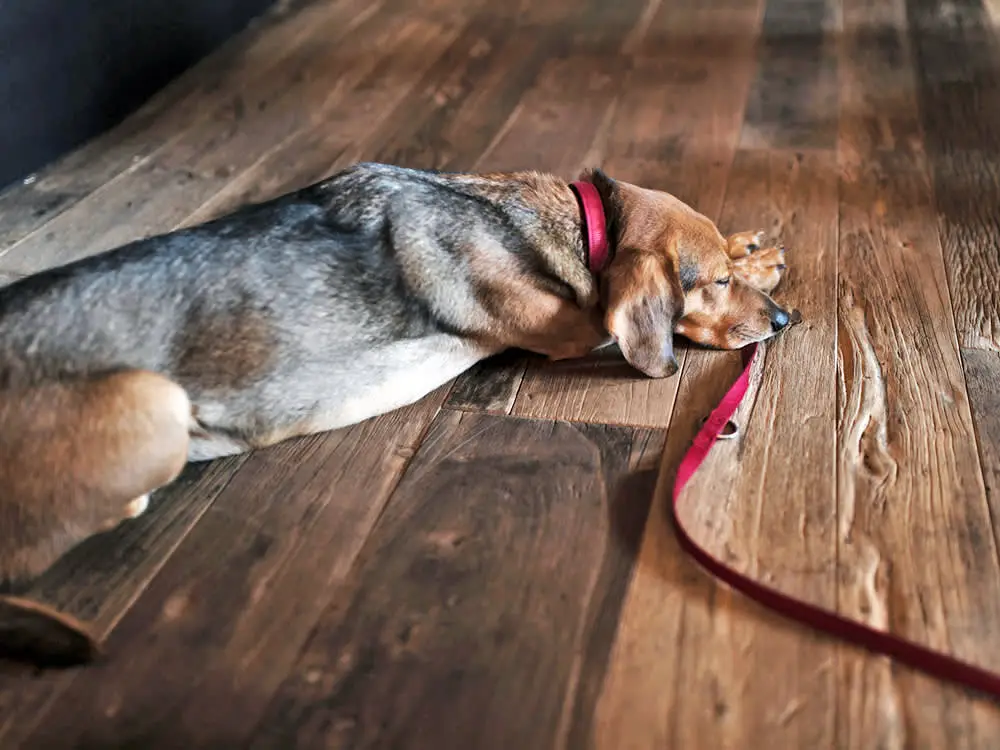
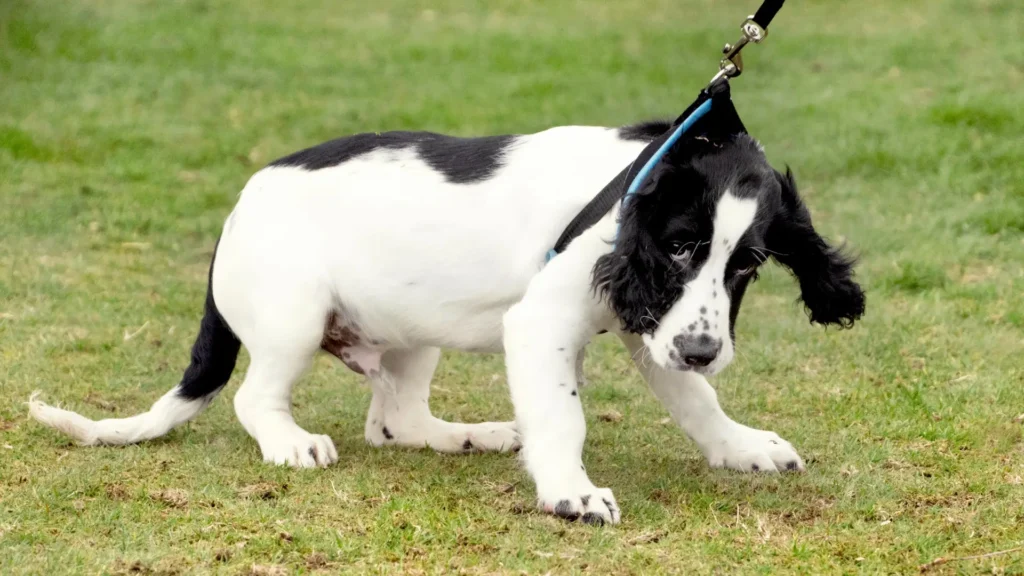
Occasional reluctance to go out or avoidance during harsh weather is a normal instinct for dogs. But consistent refusal to walk for multiple days, pulling back home, or lying down mid-walk — when the dog previously loved outdoor activity — is not laziness. Primary causes include psychological triggers such as external fear, stress, and route aversion; physical health issues including joint pain, paw injuries, gastrointestinal discomfort, and chronic internal organ problems. Both require timely inspection from owners.
2. Common Mistakes New Dog Owners Make With Walk-Resistant Dogs
Many owners pull hard on leashes, scold or force their dogs outside, or stop walks entirely. Others switch leash types blindly or carry dogs out forcibly. Some dismiss the behavior as a bad mood and ignore it long-term. These actions increase fear and anxiety, worsen joint strain from pulling, and mask early signs of physical pain, letting problems deteriorate further.
3. Health Risks of Long-Term Avoidance of Outdoor Walks
Insufficient exercise from skipped walks causes obesity, joint degeneration, and constipation in dogs. Psychologically, suppressed stress leads to destructive chewing, excessive barking, and inappropriate urination. If refusal stems from physical pain, delayed care worsens joint inflammation and paw injuries. Senior dogs face accelerated decline in heart and lung function with limited movement.
4. Simple Gentle At-Home Guidance Tips
Shorten walking distances by starting with brief outings near your doorstep. Switch to preferred quiet routes, avoiding busy areas or paths with large dogs. Use treats and toys for positive encouragement before walks. Check paws for foreign objects or wounds. Use a comfortable harness leash to reduce neck pressure.
5. How Dog Age Relates to Walk-Refusal Behavior
Puppies refuse walks mainly due to unfamiliarity with the outdoors, noise fear, and anxiety. Adult dogs typically avoid walks from external stress, paw injuries, or stomach discomfort. Senior dogs aged 7 years and above with sudden walk refusal should be checked for arthritis, hip dysplasia, paw pain, and age-related heart-lung decline.
6. Walk-Related Behavioral Differences Among Dog Breeds
High-energy working breeds like Golden Retrievers, Border Collies, and Huskies rarely refuse walks; refusal usually indicates physical pain. Short-nosed breeds such as French Bulldogs, Pugs, and English Bulldogs get fatigued easily in hot weather and avoid long walks. Small sensitive breeds like Poodles and Bichons often develop stress-induced walk avoidance after environmental stimulation.
7. Impacts of Seasonal and Environmental Changes
Hot pavement and stuffy summer air discourage outdoor walks. Cold icy winter surfaces cause paw pain and reluctance to move. Loud noises such as thunder or fireworks trigger severe fear. New large dogs, heavy traffic, or changed walking routes also induce stress-based walk avoidance.
8. Special Behavioral Checks for Multi-Dog Households
In multi-dog homes, dominant dogs intimidate weaker ones, preventing them from going outside. Injuries from fights also cause pain-driven walk refusal. Owners must distinguish between individual health problems and group-wide environmental fear by observing each dog separately.
9. Complete Behavioral & Health Troubleshooting Methods You Can Do Yourself
- Paw Injuries or Foreign Object Irritation: Check paw pads for cracks, splinters, or redness. Remove debris and provide basic care before monitoring behavior.
- Joint Pain or Skeletal Issues: Slow stair climbing, stiff movement when standing, and unwillingness to run usually signal arthritis. Reduce intense exercise and seek veterinary care promptly.
- External Fear & Stress: Avoid noisy areas, large dogs, and heavy traffic. Switch to quiet routes and use treats for positive calming.
- Stomach or General Physical Discomfort: Check for appetite loss, lethargy, vomiting, or diarrhea to rule out gastrointestinal and internal health issues.
- Weather & Stamina Problems: Shorten walks during extreme hot or cold weather, going out during cool morning or evening hours to prevent over-fatigue.
10. Frequently Asked Questions
Q: Should I intervene if my dog refuses a single walk?
A: One-off reluctance can be monitored normally. Take action if refusal lasts more than 2 days alongside abnormal physical or behavioral signs.
Q: Is pulling my dog’s leash to force walks okay?
A: Forced pulling strains joints and increases psychological fear. Always use gentle guidance and first rule out physical pain causes.