Is It Safe for Pets to Stay in Air-Conditioned Rooms Long-Term? Summer Indoor Care Guide

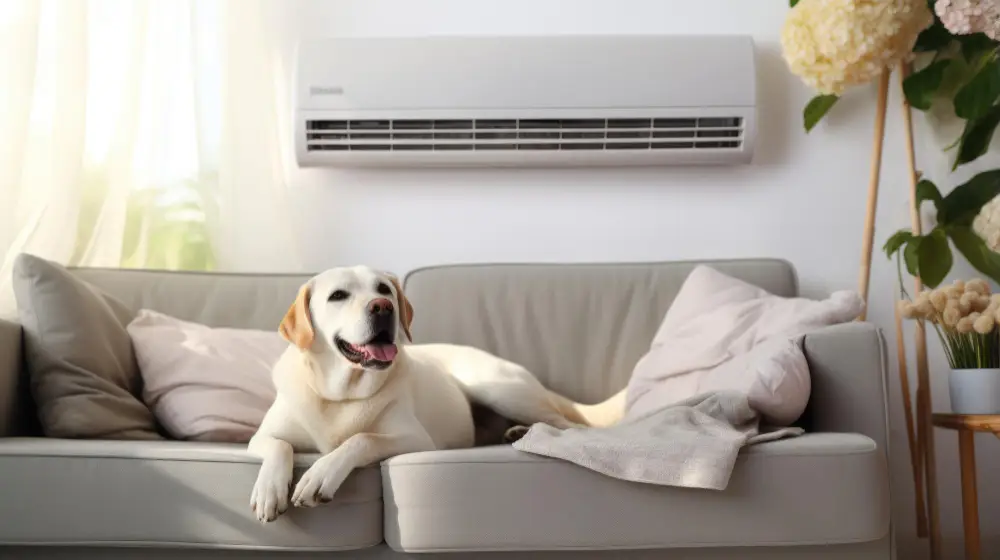
As the summer heat keeps rising, a large number of pet owners end up locking their cats and dogs in halls with AC, furthest from the sun, all day long so that their fur children do not get heatstroke. Most people believe that having a cool, temperature-controlled room indoors is the best way to keep pets from getting heatstroke or overheating. But then quite a few owners find that pets residing in air-conditioned areas for very long often start to sneeze, get diarrhea, become lethargic, and have issues with dry skin. From a professional pet care standpoint, physically confining a pet in an air-conditioned room with the door shut is not 100% safe for the animal, even though AC stops heatstroke. It can lead to air conditioner sickness, temperature stress, dry skin, and other health problems will be most likely to happen. Learning the scientifically proven indoor care techniques will help your pets be healthy and comfortable during the hot summer days.
1.Comfort vs. Discomfort: How to Judge Your Pet’s AC Room Health Status
Staying in an air-conditioned room doesn’t necessarily mean that pets will have health problems. That is why the owners should be able to recognize a pet who is comfortable and a pet who is sick. Those animals, which get used to the air conditioning and are not affected adversely by it, will have regular breathing, good physical condition, normal eating habits, and quiet sleep. There will be no symptoms such as sneezing, shivering, unwillingness to play, etc. On the other hand, pets not feeling well due to exposure to AC may get so sluggish and inactive that they keep curling up and shivering, etc.
They may come down with symptoms like sneezing from time to time, dry noses, soft stools, diarrhea, flaky skin, etc. In a nutshell, the well-being of animals is that they themselves relax when there is a cool environment, whereas those not comfortable will be physically stressed and probably become listless. Besides that, there will be different behavior that will distinguish between the two states.
2. Common Summer Pet Care Mistakes With Air Conditioning
Most pet air conditioner sickness is caused by human mishandling. The biggest mistake people do is to have the air conditioner on for 24 hours while the house is tightly closed, and the air is not circulated, which encourages bacteria to multiply. Besides that, many owners set the temperature way too low (below 24 degrees Celsius) and let cold air blow straight onto pet beds and areas where the pets rest. Changing the temperature often—air conditioning during the day and no cooling at night—means that pets are being exposed to hot and cold fluctuations again and again.
On top of that, dry indoor air, not enough water, and no warm bedding, contribute to the comfort and health of pets thereby raising the risk of them getting sick and ill due to air conditioning.
3.Hidden Health Risks of Long-Term AC Room Stays for Pets
Pets staying long-term in closed air-conditioned rooms are prone to a few hidden health risks. Dry, polluted air inside can irritate pets’ respiratory systems leading to sneezing, coughing, and respiratory inflammations. On the other hand, cold stimulation from an AC on a constant basis to the abdomen can change the function of the digestive system resulting in loss of appetite, soft stools, and diarrhea. Skin and coat can also be affected by air conditioning as it dehumidifies the air, which will in turn dry the skin making it flaky and the fur will lose its shine. Besides this, the risk of the pet getting fungal infection is also increased. Moreover, being kept at a constant temperature for long periods of time can make pets lose their ability of thermoregulation which is the reason why they are stressed and ill during seasonal or temperature changes.
4. Standard Rules for Safe Pet Care in Air-Conditioned Rooms
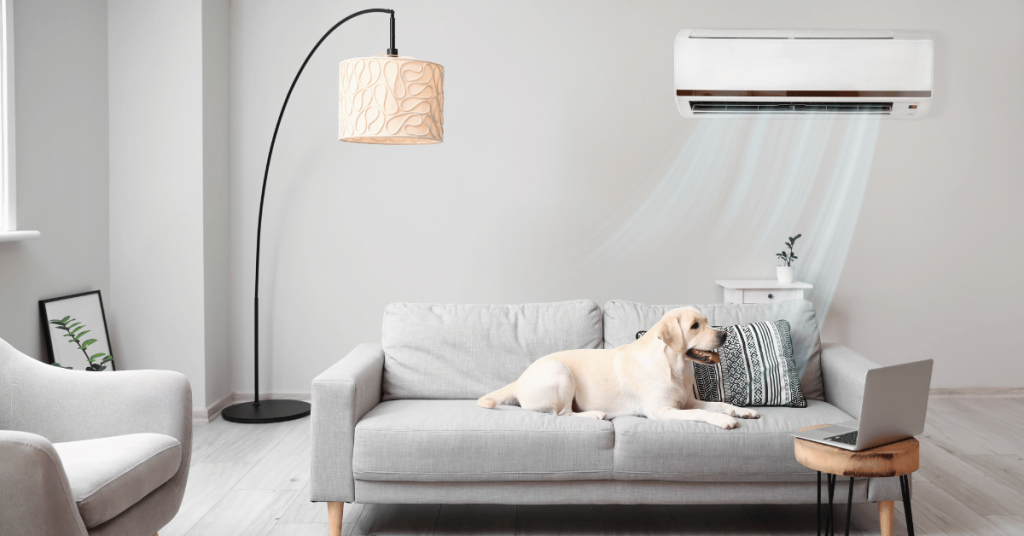
Setting a moderate temperature, ventilating regularly, and avoiding direct cold airflow are some of the main principles for taking care of pets with air conditioning in summer. Keeping the air conditioner steadily between 25°C and 27°C will match the needs of pets’ thermoregulation and ensure the absence of low-temperature cold stress. Windows should be opened for ventilation 2 or 3 times a day for 15 minutes each time to allow fresh air circulation and to minimize bacteria accumulation. AC vents should be adjusted in a way that allows cold air not to be directed towards the bed, sofa, and other frequent resting places of pets. Besides this, keeping appropriate indoor humidity, providing pets with clean drinking water at all times, and using thick bedding to cover pets’ abdomens will help in totally avoiding negative AC-related health impacts.
5.How Age and Breed Influence the Pets’ AC Environment Adaptability
Age and breed are factors that can hugely impact how a pet tolerates air conditioning. Young puppies and kittens as well as senior pets have weak immune systems and their temperature regulation is not stable, so they are the most prone to getting sick from cold and have very low AC tolerance. Healthy adult pets physically stable and can adapt quite well so they hardly ever get discomfort from temperature control through air conditioning. Considering breeds, long-haired cats and dogs have thick fur which is quite effective in resisting cold but at the same time heat gets trapped in it quite easily. On the other hand, short-haired and hairless pets tend to cool even very quickly but at the same time they also lack the ability of retaining heat thus they are the most vulnerable group to AC stress and air conditioner sickness.
6. Cats vs. Dogs: Differences in AC Tolerance and Symptom
Cats are a lot more sensitive to cold than to heat, which is the reason they are highly susceptible to very low temperature AC environment. The usual discomfort symptoms in cats with AC are curling up and shivering, sneezing, respiratory irritation, and gastrointestinal problems such as soft stools and diarrhea. Dogs on the other hand can stand cool environments a bit better but feel the effects of dry air and their exposure to directly cold wind can cause them dry flaky skin, itching and shedding, soreness of joints and low energy. In brief, cats mostly develop cold stress in air conditioned rooms whereas dogs have more trouble with the dry air and cold-caused joint damage so they each need their own particular ways of treatment and care, especially when exposed to air conditioning.
7.Usual Behavioral Indicators of AC Cold in Pets
Since pets do not have verbal communication, their discomfort is shown only through changing certain behaviors. Pets that are cold due to AC, for example, will often curl up tightly, seek the warmth of a corner, and no longer sleep in stretched out postures. Breathing discomfort is indicated by lots of sneezing, sometimes dry coughing, and dry, hot noses. Digestive problems lead to loss of appetite, soft stools, diarrhea, and vomiting. Discomfort from dry skin causes pets to itch more than usual, licking themselves often, and shedding fur excessively. These behavioral changes are very evident signs that the AC environment is having a negative impact on your pet’s health and you need to adjust their care right away.
8. Summer AC Room Scientific Care Tips to Keep Pets Healthy
Firstly, keep your AC temperature constant between 25°C and 27°C and don’t let your pet get hit directly by cold air. Secondly, you should open the windows now and then to let fresh air in and also kill the bacteria. Thirdly, keep warm, thick blankets or mats for your pet as lying on cold floors will cause them to get cold. Fourthly, use a humidifier or several dishes of water to keep the humidity at the right level and also prevent your pet’s skin and respiratory tract from getting dry. Fifth, always provide your pet with fresh drinking water as it helps their metabolism and temperature regulation. Sixth, do not expose your pet to sudden temperature differences, always move slowly from AC indoors to outdoors heat. Seventh, give your pets moderate daily exercises to strengthen their body. Lastly, regularly clean your AC filter to get rid of dust and mould at the source as they are the main causes of pet respiratory troubles.
9. Core Causes of Pet Sickness and AC-Related Discomfort in Summer
Two core factors cause AC-related pet illnesses in summer. First is environmental imbalance: direct cold wind, closed unventilated spaces, and dry air continuously irritate pets’ respiratory tracts, stomachs, and skin, triggering physical stress and inflammation. Second is weak physical adaptability: long-term constant temperatures degenerate pets’ natural thermoregulation abilities. Young, senior, and short-haired pets naturally have lower immunity, and improper care further exacerbates stress and sickness. Air conditioning itself is not harmful—unscientific raising methods are the main cause of pet health issues.
10. FAQs About Raising Pets in Air-Conditioned Rooms
Q1: Is it safe for pets to stay in AC rooms 24 hours a day?
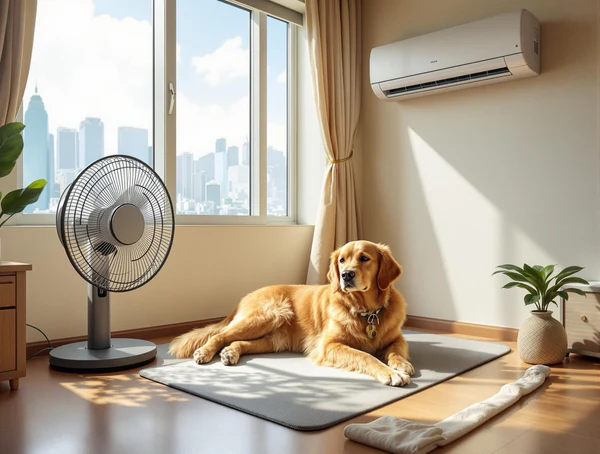
A: Long-term full-time confinement in closed AC rooms is not recommended. With reasonable temperature control, regular ventilation, and proper humidity and warmth maintenance, short-term AC room stays are safe. However, all-day closed low-temperature environments significantly increase the risks of air conditioner sickness, skin diseases, and gastrointestinal disorders in pets.
Q2: Do pets need blankets or clothes in air-conditioned rooms?
A: Short-haired, young, and senior pets benefit from thick bedding for warmth but do not require unnecessary clothing or blankets. As long as cold wind is avoided, temperatures remain stable, and abdominal warmth is guaranteed, most pets can adapt comfortably to air-conditioned indoor environments.