How Harmful Are Fireworks to Pets? Complete Holiday Safety Guide

Fireworks and firecrackers during festivals, New Year’s celebrations, and holidays create a jolly mood for humans but cause extreme panic, stress, and physical sufferings to cats and dogs. Several pet owners witness their animals shivering, hiding madly, staying in a restless state throughout the night, refusing to eat and drink, or even getting sick because of stress and making efforts to escape during the fireworks. Most people think pets are simply scared and will get better after the noise is gone. However, that is a big mistake. Hearing of pets is much more sensitive than humans. Sudden loud noises, bright lights, vibrations, and smoke from fireworks can cause pets to have such a strong stress reaction to be almost scared to death. Short term symptoms of this are having emotional breakdowns, while repeated long exposure leads to enduring noise phobia for life. Fireworks in extreme cases can cause acute physical conditions, accidental injuries, and even threat to one’s life. This article extensively discloses the invisible damages of fireworks to the pets and provides pet owners with a comprehensive holiday safety care guide.

1.Normal Alertness vs. Stress Panic: Pet Emotional States During Holidays
Pets usually have two types of responses to the sound of fireworks. It is normal alertness and stress in panic. There are some differences between them that every pet owner should know. If a pet is in a state of normal alertness, it will simply elevate its head or move its ears for a short time when it hears the fireworks before it goes back to lying down, eating, and carrying on with the daily activities. On the other hand, a pet that is in a state of stress panic experiences an emotional breakdown right there and then which might show in some of the following: body shaking, running and hiding in a frenzy, panting quickly, and a complete loss of desire to eat and drink. The pet usually stays mentally disturbed and can hardly calm down even if the fireworks have long ceased. To put it simply, normal alertness is just a short-term interest without any effect on health while stress panic results in long-term emotional distress which needs immediate human help and reassurance.
2. Common Pet Care Mistakes: Wrong Ways to Calm Scared Pets
Most pet stress that firework holidays bring about is actually due to a change in behaviors of the owners which are not well-thought-out. The biggest mistake is the over-comforting of anxious animals. If a person is constantly hugging, petting, and nervously consoling the animal, this will only transmit the person’s own tension to the pet so that it will think that the fireworks are very dangerous and the fearful memories will be fixed in its brain. Some people even get irritated or scold their fearful pets, treat their panics as mischief, and pull them out of their hiding places very roughly, thereby causing serious emotional traumas. In addition, a lot of owners take the pets with them outside to watch the fireworks or go to the homes of relatives during the big holidays which expose the animals to loud noises and unfamiliar places resulting in double stress. Besides that, not paying attention to sound proofing and leaving the pets to fend for themselves at home during the fireworks are also highly dangerous care mistakes.
3.Hidden Physical and Mental Harms of Fireworks Noise to Pets
Explosions, flashes, vibrations and smoke of fireworks have serious impact on pets’ physical and mental health. Psychologically, sudden, unexpected noises shatter pets’ sense of safety to such a degree that they develop a deep-rooted noise phobia which causes them to be anxious at every festival, thunderstorm, or loud sound. Physically, the fright reaction leads to rapid heartbeat, high blood pressure, and faster breathing which may result in symptoms of acute stress like vomiting, diarrhea, urinary retention, and loss of appetite. More so, the nervous dogs sometimes try to break doors, throw themselves out of windows, or run away from home which all can lead to bruises, fractures, getting lost, and other accidents. Stress caused by fireworks is the main reason for pets being injured, falling ill, and going missing during holidays.
4. Standard Pet Safety Rules for Firework Holiday Seasons
Isolating pets from outside noises, creating a calm indoor environment, limiting time spent outside, and giving loving attention are the main stages of protection for pets during holiday seasons. Closing doors and windows and using thick curtains to cover them help to muffle loud noises, flashes, and vibrations during fireworks. Keeping a peaceful setting inside the house, not moving the pet’s bed, and avoiding bathing, deworming, and other such activities which cause stress are advised, too. To avoid overexposure to the outside world, pets should not be taken out to watch fireworks, markets, or other social gatherings. Owners staying relaxed and composed without overdoing comforting are the way to go. Make sure to reinforce windows and fences before time so as to prevent mishaps like pets running away or jumping out of windows due to intense fear.
5.How Age and Physical Condition Impact Pet Firework Tolerance
Different ages and physical conditions of the pets very significantly change their tolerance levels of the fireworks noise. Puppies and kittens have immature nervous systems and lack any resistance to the sudden loud noises so they are very vulnerable to permanent psychological trauma. Elderly pets with weak hearts and poor physical condition are in for very serious health risks since the fireworks noises can cause cardiac pain and stress.
Also, shy, sensitive and easily frightened pets get anxiety times two during the firework times. On the other hand, healthy adult pets that have stable personalities and emotions can generally tolerate firework noise better and can usually just show a little bit of nervousness and no serious behavioral or emotional breakdown.
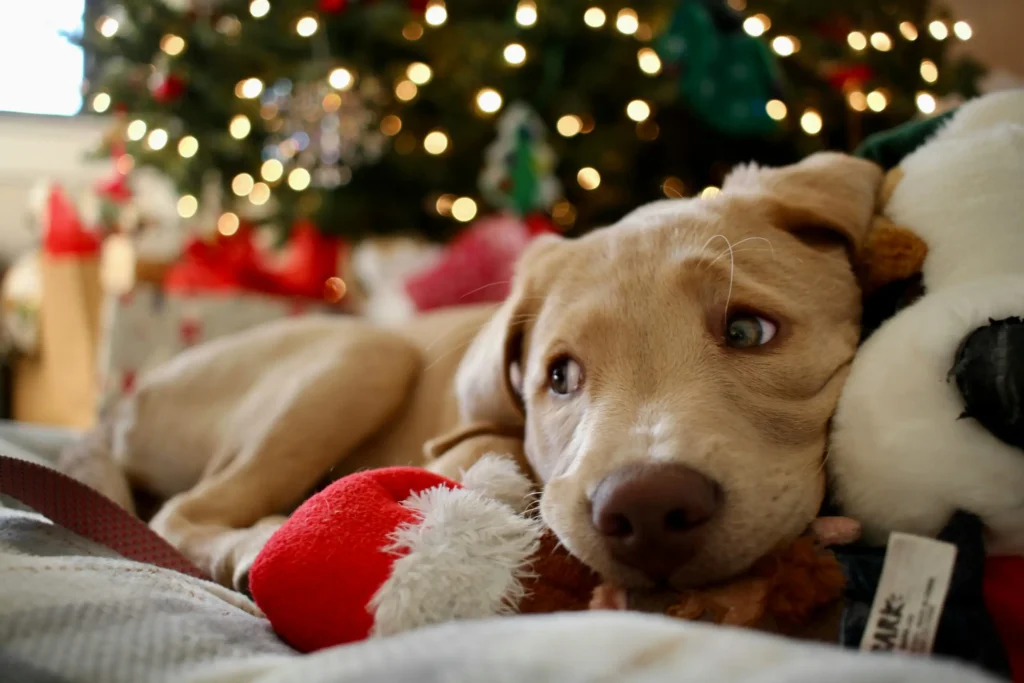
6. Cats Vs Dogs: Different Reactions to Firework Stress
When scared by fireworks, cats show their panic by trying to conceal it and staying quiet. Their first impulse is to find a hiding place: under bed, inside cabinet or in a corner so narrow that it is almost like a coffin. Cats freeze and don’t move, their pupils are dilated. The stress can be so strong that some cats may not urinate or eat and some even excessively lick themselves. This is an example how cats can suffer silently as most of the time their stress is very easy to pass unnoticed by their owners.
Dogs—on the other hand—show their stress outside and very intense. For example, they may be pacing, whining, clinging, panting very heavily or running around in a frenzy. One will find anxious dogs trying to break doors and windows dashing to the extreme. This makes them more susceptible to escaping, getting injured and lost than cats.
7. Early Warning Signs That Your Pet Is Scared of Fireworks
Pets show obvious warning behaviors before and during firework displays. Emotional signs include unexplained anxiety, obsessive clinginess, panicked eye contact, and extreme mental tension. Physical symptoms cover body trembling, muscle stiffness, frequent panting, dry nose, and accelerated heartbeat. Behavioral abnormalities involve frantic hiding, restless pacing, refusal to eat or drink, excessive lip licking, and constant restlessness. Sleep disturbances include insomnia, light sleep, and frequent nighttime awakening. These symptoms confirm that your pet is suffering from severe fear and requires immediate protection and soothing.
8. Practical Ways to Prevent Pet Stress and Ensure Holiday Safety
First, close doors and windows and use thick curtains to block firework flashes and noise, reducing external sensory stimulation. Second, play white noise, soft music, or television audio to mask sudden explosions and buffer intense auditory impact. Third, set up enclosed pet tents or cardboard shelters to create a safe, private hiding space for pets to relieve stress independently. Fourth, avoid outdoor walks and pet bathing during peak firework hours to eliminate additional stressors. Fifth, distract pets gently with snacks and toys without forced interaction or over-comforting. Sixth, reinforce windows, screens, and fences to prevent escape and injury caused by panic. Seventh, maintain regular feeding and daily routines, avoid sudden diet changes or overfeeding, and stabilize your pet’s physical condition throughout the holiday.
9. Core Reasons Why Pets Are Terrified of Firework Noises
Pets’ extreme fear of fireworks stems from innate sensory advantages and evolutionary survival instincts. First, superior sensory perception: cat and dog hearing is several times more sensitive than human hearing. Festive noises that sound celebratory to humans feel like harsh, explosive, painful blasts to pets, accompanied by uncomfortable air vibrations and glaring light stimulation. Second, genetic survival instinct: sudden, irregular, high-intensity noise and bright light represent unknown dangers and natural disasters in pet genetics, triggering primitive avoidance responses. Since firework explosions are completely unpredictable, pets remain in a constant state of high alert, eventually developing severe anxiety and stress reactions.
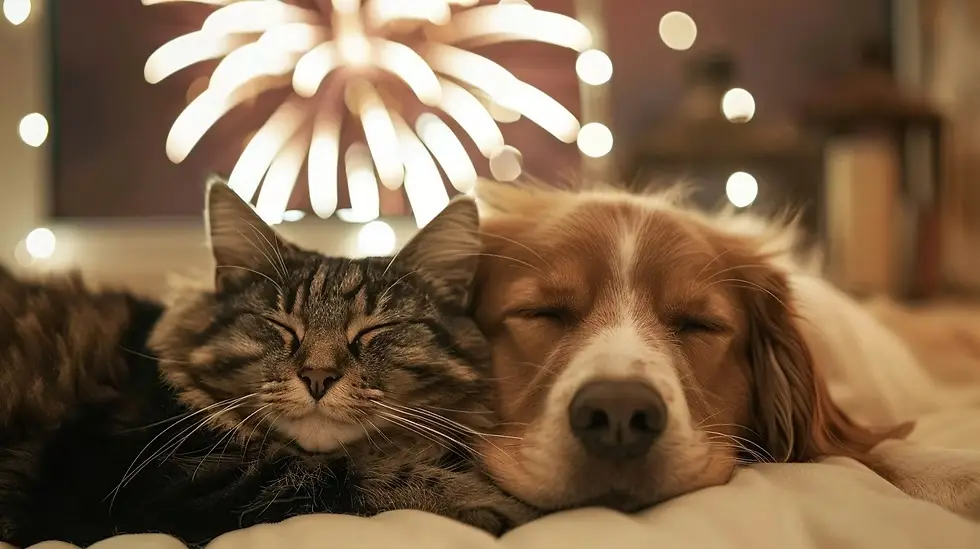
10. FAQs About Pet Noise Stress During Firework Seasons
Q1: Should I hold and comfort my trembling pet during fireworks?
A: Excessive hugging and anxious comfort is not recommended. Nervous over-soothing reinforces your pet’s belief that fireworks are dangerous. The best solution is to maintain a quiet environment, provide a safe hiding spot, and stay calm beside your pet without over-intervening.
Q2: Can pets recover naturally after firework stress?
A: Mild nervousness can resolve on its own. However, severe stress with symptoms such as appetite loss, urinary retention, continuous trembling, and lethargy will worsen without proper intervention, possibly leading to long-term permanent noise phobia.