Common Signs of Pet Anxiety & 6 Practical Ways to Improve Living Environment

Nowadays, more and more household pets suffer from emotional anxiety. Noisy surroundings, cramped living space, irregular daily routines and insufficient companionship will keep cats and dogs nervous and uneasy for a long time. Pet anxiety not only disturbs normal daily schedules, but also leads to abnormal behaviors, poor appetite, low immunity and other physical problems. Many pet owners only notice their pets’ weird actions, while ignoring that improper living environment is the main cause of anxiety. This article summarizes all typical anxious behaviors in pets, and shares 6 easy and practical environment adjustment tips from home layout, atmosphere creation and daily arrangement aspects. You can soothe pets’ emotions fundamentally and help them live in a relaxed and comfortable state.
1. Does All Pet Irritability Equal Environment-Induced Anxiety?
Occasional restlessness and playful hyperactivity are natural pet instincts, which are totally different from environment-triggered anxiety. Environmental anxiety refers to persistent tension, timidity and oversensitivity caused by long-term unsuitable living surroundings. Typical signs include fear of loud noises, discomfort in strange spaces and depression in messy rooms. Pets feel relaxed immediately after moving to quiet and cozy places. Such long-term unease and mental unrest are real environmental anxiety.
2. Common Mistakes When Calming Anxious Pets
Many soothing methods only work temporarily and cannot solve root causes. Owners tend to comfort anxious pets simply by offering endless snacks; force pets into tight hugs and limit their freedom when they feel scared; take no sound insulation measures even in noisy houses; rearrange home layout randomly and break pets’ fixed living habits; frequently bring pets to crowded and noisy public places; even deliberately frighten timid pets to train their courage. These wrong ways will never ease anxiety, but continuously deepen their inner fear.
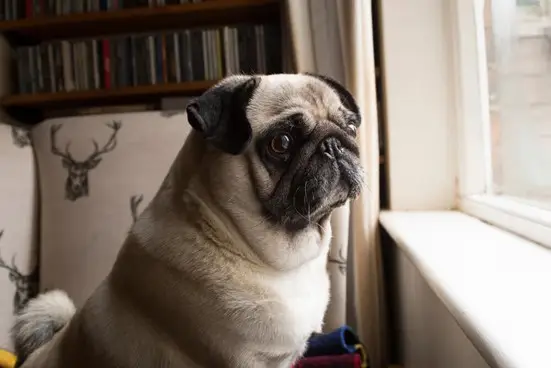
3. Physical Health Problems Caused by Long-Term Depressing Living Conditions
Staying in noisy and depressing spaces keeps pets mentally stressed all day long and severely affects sleep quality. Emotional suppression disturbs gastrointestinal functions, resulting in picky eating, vomiting and loose stools. Long-term mental tension weakens immune system and makes pets catch illnesses easily. Cats may develop indoor spraying, excessive hair licking and stress-induced hair loss. Dogs tend to become timid, irritable and prone to unnecessary barking. In severe cases, pets may suffer from various stress-related diseases that damage physical and mental health greatly.
4. Quick Home Tips to Calm Down Anxious Pets
Once pets show nervous signs, guide them to quiet dim corners to rest peacefully. Speak in soft low tones and avoid loud shouts. Close doors and windows to block outside noises in time. Offer familiar toys to shift their attention. Keep movements gentle and slow without sudden approaches, which can quickly stabilize their agitated mood within a short time.
5. The Link Between Pet Age and Anxiety Severity
Young pets with immature mentality are extremely sensitive to outside surroundings, so noises and strange environments easily trigger anxiety. Adult pets get used to fixed living environments and stay emotionally stable, only feeling uneasy when big environment changes happen. Senior pets over seven years old become less brave and lack a sense of security. They are especially sensitive to loud sounds and light changes, thus showing more obvious anxious emotions under uncomfortable living conditions.
6. Different Environmental Needs Among Various Pet Breeds
Most cats prefer quiet, shaded and private living areas and dislike noisy crowded places. Small clingy dog breeds love warm cozy spaces close to their owners. Large guard dog breeds need spacious activity zones and easily feel depressed in narrow closed rooms. Flat-faced pets are physically sensitive and tend to become irritable in hot crowded environments. Purebred pets are more delicate and easier to be influenced by surroundings compared with mixed-breed pets.

7. How Seasonal Changes Affect Pet Mood and Emotions
Thunderstorms are frequent in spring and summer, and loud thunder and heavy rain easily make pets extremely scared and anxious. Hot stuffy indoor spaces in summer cause restlessness and bad temper. Cold wind and big temperature differences in autumn and winter make pets feel cold and depressed. Seasonal changes in indoor light and ventilation also disrupt pets’ daily routines and lead to unstable emotions indirectly.
8. Home Layout Tips to Relieve Anxiety in Multi-Pet Households
Set up independent rest zones separately to avoid mutual disturbance and sense of oppression. Keep household noises low to prevent group stress reactions. Place food bowls and pet beds in separate positions to reduce conflicts and emotional tension caused by resource competition. Reserve enough open space for free movement and create an overall peaceful and relaxed living atmosphere.
9. Full List of Pet Anxiety Symptoms + 6 Practical Environment Improvement Methods
Common Typical Signs of Pet Anxiety
- Behavioral signs: Pacing back and forth restlessly, hiding quietly in corners, being highly alert and fleeing quickly at slight noises
- Sleep issues: Difficulty falling asleep at night, frequent waking up, excessive daytime sleepiness and completely disordered schedules
- Eating changes: Decreased appetite, slow eating speed or even refusal of food and water under nervous mood
- Social attitude: Keeping away from owners, resisting touching, becoming shy and lonely with less willingness to play
- Abnormal habits: Cat urine marking and over-grooming; unnecessary barking, item chewing and heavy panting in dogs
- Physical reactions: Rapid heartbeat, slight body trembling, flattened ears and whole-body muscle tension
6 Practical Ways to Optimize Pet Living Environment
1.Build Exclusive Safe Private Zones
Set up cozy pet nests, enclosed cat houses or fenced resting areas in quiet dim corners with soft warm cushions. Let pets have their own safe shelters to hide and relax whenever feeling nervous.
2.Improve Household Noise Reduction
Install soundproof curtains and keep doors and windows closed in noisy residential areas. Avoid loud talking and heavy object impacts indoors. Play soft light music or white noise to cover harsh sounds during thunderstorms and fireworks.
3.Keep Stable Home Layout
Pets have strong memory of living spaces. Do not frequently move pet beds, food bowls and litter boxes. Minimize large furniture rearrangement to maintain steady living surroundings and reduce strange uneasy feelings.
4.Regulate Indoor Light and Temperature Properly
Avoid strong direct sunlight towards pet resting areas. Keep soft soft light in daytime and dim quiet environment at night. Ensure good ventilation and cooling in summer, as well as warm windproof conditions in winter. Constant comfortable temperature effectively calms pet emotions.
5.Separate Play Areas and Rest Areas
Divide indoor space into active playing zones and quiet resting zones. Prevent pets from staying in high-energy excited states all day long. Let them switch freely between activity and relaxation to ease physical and mental pressure.
6.Reduce Visual Pressure with Tidy Space
Keep indoor rooms neat and clean without piles of messy sundries. Spacious tidy living space lowers pets’ psychological oppression and inhibits the generation of timid and nervous emotions.

10. Frequently Asked Questions About Pet Emotional Care
Q: Does frequent outdoor walking help relieve environment-induced anxiety?
A: Proper outdoor activities cheer pets up, but crowded noisy public places may worsen their sensitivity and anxiety. Optimizing home living environment is always the most fundamental solution.
Q: Will keeping pets in totally quiet rooms make them more timid?
A: A reasonable quiet environment is for soothing emotions rather than complete isolation. Matching with gentle daily company and interaction can ease anxiety without making pets unsociable and shy.
Q: How to ease pet anxiety after changing new pet beds?
A: Put old familiar bedding inside new beds to retain familiar scents. Let pets get used to new supplies gradually for smooth emotional adaptation.