Senior Pet Care Guide: How to Improve Life Quality for Aging Cats and Dogs

As time goes by, all household cats and dogs will gradually enter their senior years. After aging, pets experience rapid physical function decline, including deteriorated eyesight, weakened hearing, stiff joints and degenerated internal organs. Their immunity also drops sharply, making them prone to various chronic elderly diseases. Many owners still follow feeding habits suitable for young pets and ignore physical changes in senior companions, leading to poor later life quality. To help aging pets spend their golden years comfortably, owners need to fully adjust daily care covering diet, rest, living environment, regular checkups and emotional company. This complete senior pet care guide shares scientific caring methods to fully protect the life quality of elderly cats and dogs.
1. At What Age Do Pets Officially Enter Senior Stage
Under normal raising conditions, cats and small-medium dogs turn senior at 7 years old. Large dog breeds age faster and enter senior period around 6 years old. Tiny dog breeds have slower aging speed and show obvious aging symptoms after 8 years old. Once pets tend to sleep more, become less active and lose interest in playing, their bodies start aging. Pet owners should switch to senior care modes in advance instead of delaying proper maintenance.
2. Common Mistakes in Caring for Senior Pets
Many owners hold wrong caring concepts: keep feeding high-calorie adult pet food without switching to senior formula; allow overeating without reasonable portion control; stop regular deworming and vaccinations mistakenly thinking old pets no longer need disease prevention; keep senior pets indoors all day with almost no gentle exercise; regard low energy and laziness as normal aging signs and delay medical treatment; permit frequent stair climbing and jumping which bring heavy burdens to joints and organs; feed random snacks and meat products increasing metabolic pressure.
3. Negative Impacts of Neglecting Elderly Pet Care
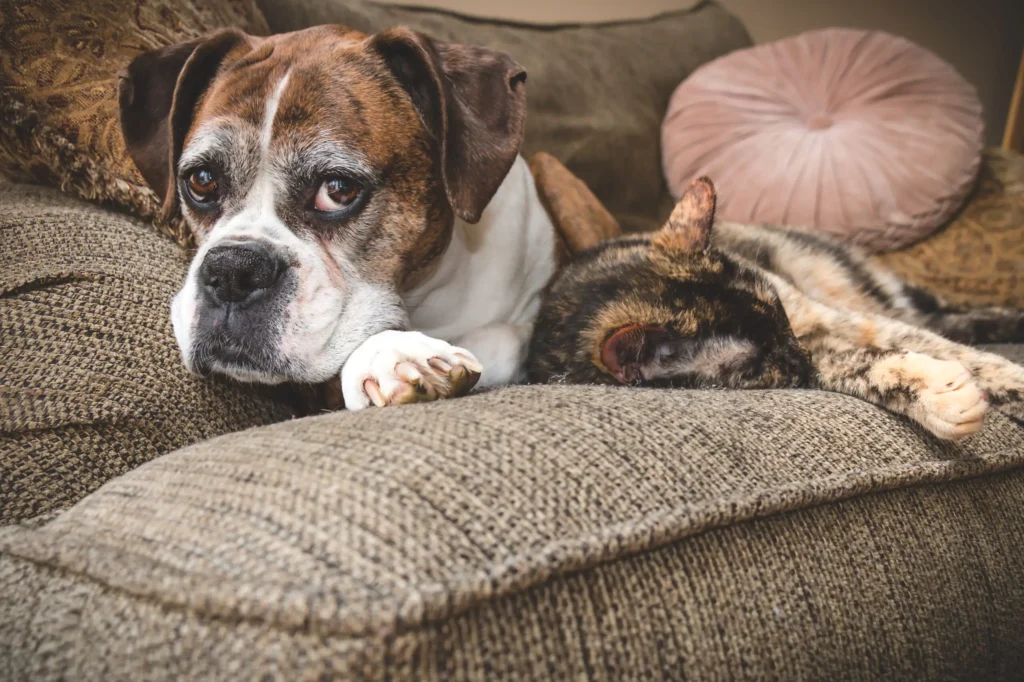
Long-term improper feeding accelerates physical function deterioration easily triggering senior illnesses such as kidney disease, pancreatitis, diabetes and heart problems. Insufficient mild exercise causes muscle atrophy, joint stiffness and rapid mobility decline. Hidden chronic diseases cannot be detected in time without regular physical examinations, resulting in difficult treatment after severe onset. Lack of daily companionship leads to depression, poor appetite and gradual weight loss, which greatly shortens pets’ lifespan.
4. Easy Home Ways to Improve Comfort for Aging Pets
Lay non-slip soft mats all over the house for senior pets with weak legs to walk and stand steadily. Use low-level pet beds instead of high beds to avoid falling injuries. Spend more time accompanying and petting them gently to ease loneliness. Keep indoor surroundings quiet and prevent sudden loud noises from scaring elderly pets. Place fresh clean drinking water in easy-to-reach positions for convenient daily water intake.
5. Aging Speed Differences Related to Pet Age and Body Size
Small-sized pets bear lighter physical burdens and age the slowest with better physical conditions in later life. Medium pets have stable aging rhythm and show aging symptoms gradually after turning seven. Large and giant dog breeds suffer heavy skeletal and internal organ pressure, aging rapidly with early joint and heart decline. Overweight obese pets age much faster than pets keeping standard body shape at the same age.
6. Breed Differences in Pet Aging Progress
Native mixed-breed cats and dogs have stronger physical fitness and more stable health conditions in senior years. Purebred pets have weaker innate constitution and are more likely to develop hereditary chronic diseases when aging. Short-legged long-haired breeds face prominent joint problems in old age. Flat-faced pets have poor breathing conditions and obvious cardiopulmonary function decline. Naturally energetic breeds generally keep better mental states than quiet lazy breeds during later life.
7. How Seasonal Temperature Changes Affect Senior Pets
Senior pets have poor heat dissipation ability and are vulnerable to heatstroke and cardiopulmonary discomfort in hot summer, so proper cooling measures are essential. They are sensitive to cold in cold autumn and winter with slow blood circulation, aggravated joint pain and higher cold catching risks. Large temperature differences during seasonal transitions are peak periods of senior disease outbreak, easily inducing respiratory, kidney and gastrointestinal illnesses, so comprehensive protection must be strengthened.
8. Special Care Tips for Elderly Pets in Multi-Pet Families
Avoid young energetic pets chasing and bumping into elderly companions to prevent accidental injuries. Separate feeding areas to ensure senior pets eat light and easy-to-digest senior food without snatching greasy meals. Divide activity spaces reasonably and arrange quiet exclusive rest zones free from disturbance. Arrange independent regular health checkups for elderly pets and adjust physical conditioning plans pertinently.
9. Clear Aging Signs in Senior Pets & All-Round Elderly Care Plans
Obvious Aging Symptoms in Elderly Cats and Dogs
- Mental state: Sharply increased sleeping time, constant drowsiness, reduced willingness to move and lowered curiosity towards surroundings
- Sensory decline: Slow response due to hearing loss, blurred eyesight and frequent collisions while moving at night
- Mobility changes: Slow standing up, stiff walking, hesitation on stairs, reluctance to jump and weak limb strength
- Diet & defecation: Decreased appetite and food intake, poor digestion leading to loose stool and vomiting, abnormal water drinking amount
- Coat & body condition: Whitened dry dull fur, severe hair loss, loose muscles and gradual weight loss
- Personality changes: Becoming quiet and introverted, less willing to interact and more easily frightened
Complete Care Solutions to Improve Senior Pet Life Quality
1.Switch to professional senior pet diet
Choose low-fat, low-salt, low-phosphorus and easily digestible senior pet food to reduce internal organ metabolic burden. Follow small frequent meals for better absorption. Completely cut off heavy-flavored snacks and add soft supplementary food properly for balanced nutrition.
2.Arrange proper mild exercise
Stop strenuous running and jumping. Focus on short-distance slow walks and gentle indoor activities. Adjust exercise duration according to physical conditions and avoid fatigue to protect joints and blood circulation.
3.Take regular comprehensive senior health checks
Senior pets over 7 years old need full physical examinations every six months, focusing on kidney function, blood sugar, heart condition, joints and blood routine tests, to screen potential elderly diseases for early intervention.
4.Stick to daily health protection
Keep regular internal and external deworming and core vaccinations since senior pets have weaker immunity. Take timely heatstroke prevention in summer and cold protection in winter especially for joints and abdomen. Groom fur, clean ear canals and trim nails regularly to prevent skin diseases.
5.Age-friendly home environment renovation
Install full-house anti-slip facilities and add gentle ramps and low steps for easy movement. Place all daily supplies at low accessible positions. Keep soft night lights on at night to assist pets with degraded eyesight.
6.Provide patient emotional companionship
Spare more time to interact and comfort elderly pets softly. Minimize stressful events such as house moving and pet boarding. Be more tolerant of occasional indoor soiling and reversed daily schedules of senior pets.
7.Targeted care for common elderly illnesses
Carry out daily maintenance for joints, heart, liver and kidneys. Seek professional veterinary treatment immediately once persistent lethargy, vomiting, frequent urination or coughing appear to slow down disease progression.
10. Frequently Asked Questions About Senior Daily Pet Care
Q: Does eating less mean healthier for senior pets?
A: Definitely not. Aging pets have weak digestion and poor appetite. Sufficient nutritional intake must be guaranteed through easy-to-absorb food and small frequent meals instead of blind dieting which causes malnutrition.
Q: Are vaccinations and deworming still necessary for senior pets?
A: Yes, they are extremely essential. Elderly pets have lower resistance and are more vulnerable to infectious diseases and parasite infestation, so basic health prevention work cannot be stopped.
Q: Is excessive sleeping normal for inactive senior pets?
A: More sleeping belongs to normal aging performance. However, constant unconscious drowsiness and total food refusal are abnormal symptoms requiring timely physical examination to rule out potential illnesses.