What To Do If Your Dog Has Diarrhea? Vet-Recommended Diet Adjustments & Observation Methods

Diarrhea is one of the most common health issues among dogs. Many pet owners panic easily and simply think it is only caused by bad food, then give random medicines casually. In fact, the causes of dog diarrhea are quite complicated. Mild diarrhea can be recovered quickly through diet adjustment, while severe diarrhea may indicate dangerous problems such as infectious diseases and internal organ inflammation. Improper treatment will easily lead to dehydration and shock. Combined with professional veterinary advice, this article sorts out various causes of dog diarrhea, shares safe dietary conditioning methods and scientific home observation tips.
1. Is Dog Diarrhea Only Caused by Wrong Food?
Occasional soft stool or mild loose stools are usually triggered by overeating, sudden food switching or eating miscellaneous food, which belongs to normal gastrointestinal stress reaction. However, frequent watery diarrhea, bloody stool and persistent loose stools are far more than simple dietary problems.Main causes include dietary disorders, overeating, cold and greasy food irritation; physical factors such as catching cold and environmental stress; and diseases including internal parasites, gastroenteritis, viral infections and pancreatic problems. Owners need to distinguish different causes clearly.
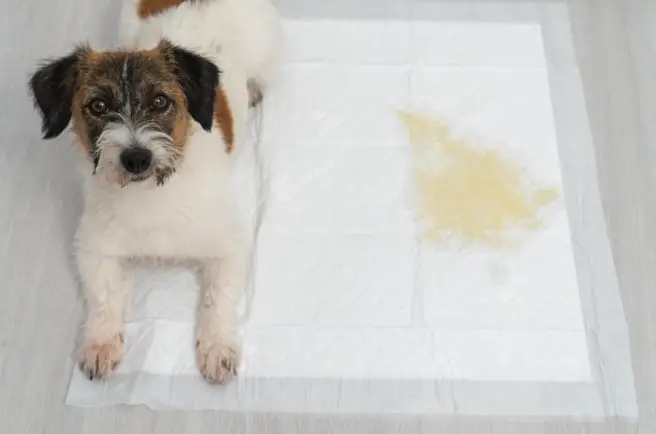
2. Common Mistakes New Owners Make When Dealing With Dog Diarrhea
Many dog owners feed human anti-diarrhea medicine and antibiotics directly, fast dogs for too long, blindly switch expensive intestinal care dog food, or keep feeding meat and snacks to supplement nutrition. These wrong behaviors will increase gastrointestinal burden and break the balance of intestinal flora. Puppies may even get poisoned from human medicine. Meanwhile, serious disease symptoms will be covered up, delaying the best treatment time.
3. Health Risks Caused by Repeated Long-Term Diarrhea
Dogs have sensitive stomachs. Long-lasting diarrhea leads to rapid loss of water and electrolytes, resulting in severe dehydration in a short time. Poor nutrient absorption causes weight loss and low immunity. Puppies are at high risk of hypoglycemia caused by continuous diarrhea. Adult dogs with recurrent diarrhea are easy to develop chronic gastroenteritis, which is difficult to cure completely and tends to relapse frequently.
4. Easy Gentle Home Emergency Conditioning Tips
Reduce staple food intake in the early stage of diarrhea and ensure sufficient clean drinking water all day long. Keep your dog’s abdomen warm and avoid lying on cold floors to prevent worse stomach discomfort. Stop all snacks, meat products and high-fat canned food temporarily. Keep living areas clean and tidy to reduce bacterial growth and observe defecation conditions steadily.
5. Connection Between Diarrhea Symptoms and Dog Age
Puppies mostly get diarrhea due to imperfect gastrointestinal development, insufficient deworming, colds and viral infections, which carry the highest health risks. Adult dogs usually suffer from diarrhea caused by improper diet, stress and mild stomach discomfort. Senior dogs over 7 years old with frequent diarrhea should be checked for chronic gastroenteritis, declined pancreatic function and aging internal organ functions.
6. Diarrhea Characteristics Among Different Dog Breeds
Large active dogs are prone to acute diarrhea from eating foreign objects randomly. Breeds with naturally fragile stomachs such as French Bulldogs, English Bulldogs and Corgis easily get diarrhea caused by inappropriate food. Small breeds like Bichons and Poodles often have digestive disorders due to picky eating. Purebred delicate dogs tend to have stress-induced soft stools even with slight environmental changes.
7. How Seasonal Climate Affects Canine Digestive Health
Rising temperature in spring and summer accelerates bacterial reproduction and makes pet food go bad easily, leading to bacterial diarrhea. Dogs like sleeping on cool ground in hot summer, which causes abdominal cold and frequent loose stools. Large temperature differences in autumn and winter stimulate intestines, and improper warm food intake also increases the occurrence of diarrhea and soft stool.
8. Special Inspection Tips for Multi-Dog Households
Diarrhea caused by infectious viruses and parasites is highly contagious, which can spread quickly among all pets at home. Feeding and drinking together make it hard to confirm the sick dog accurately. It is suggested to separate feeding and drinking supplies, isolate sick pets in time and observe their mental state and defecation separately to prevent large-scale cross infection.
9. Practical Home Diet Adjustments & Scientific Observation Ways
- Light Fasting Conditioning: Fast your dog for 6 to 8 hours during mild diarrhea to relieve digestive pressure, only provide warm drinking water without any food.
- Mild Food Replacement: Gradually resume meals with plain boiled chicken breast, pumpkin puree and easy-to-digest porridge without oil and salt.
- Intestinal Flora Care: Feed pet-specific probiotics regularly to regulate intestinal environment and improve soft stool problems.
- Strict Diet Control: Never feed table scraps, spicy cold food and sweet snacks. Fix feeding time and portion to form regular eating habits.
- Detailed Daily Observation: Keep track of your dog’s energy level, appetite, body temperature, as well as stool color, shape and frequency.
- Timely Veterinary Visit: Seek professional pet medical care immediately once symptoms like bloody stool, persistent vomiting, lethargy and continuous watery diarrhea appear.
10. Frequently Asked Questions
Q: Do I need medicine for slight soft stool in dogs?
A: No medication is required if your dog has normal energy and appetite. It can recover well only through diet adjustment and warm keeping.
Q: Can I feed milk and eggs to dogs with diarrhea for nutrition?
A: Absolutely not. Milk will worsen loose stools and high-protein eggs are hard to digest. Keep meals simple and light during diarrhea recovery period.