How to Relieve Pet Separation Anxiety? 7 Effective Training & Soothing Methods

Pet separation anxiety is a very common behavioral and psychological issue among domestic cats and dogs, which mostly occurs when pets stay home alone. After owners leave the house, pets may bark constantly, destroy furniture, have accidental peeing problems or even refuse food due to depression, all of which are obvious signs of anxious emotions. Long-term separation anxiety will not only disturb pets’ daily routines and damage their physical and mental health, but also cause property damage and neighborhood disturbance. Yelling and punishment cannot solve this problem fundamentally. Proper emotional guidance, daily habit adjustment and gradual training are essential. This article explains the main causes of pet separation anxiety and shares 7 practical and easy-to-follow training and soothing ways to help pets get used to staying alone calmly.
1. Does Restless Behavior While Being Alone Equal Separation Anxiety?
Many owners think pets make noises at home just for fun, but there are clear differences. Temporary boredom and occasional mischief are normal playful behaviors. However, separation anxiety is a real psychological emotional disorder that only breaks out obviously when owners prepare to leave or go out. Anxious pets show persistent restlessness, loss of appetite and emotional depression, and can only calm down quickly after reuniting with their owners. Such abnormal emotional reactions are true separation anxiety symptoms.
2. Common Wrong Ways to Correct Separation Anxiety
Many traditional correction methods make the situation even worse. Excessive hugging and comforting before leaving will deepen pets’ reluctance. Overly excited interaction right after returning home rewards bad noisy behavior. Severe scolding and punishment after pets make troubles at home bring more pressure. Offering endless snacks and toys out of guilt strengthens bad habits. Staying with pets all day long without any alone-time practice increases dependence. Sneaking away suddenly causes greater fear and unease. Ignoring anxious behaviors directly leads to fixed bad habits.
3. Physical and Mental Harms Caused by Severe Long-Term Separation Anxiety
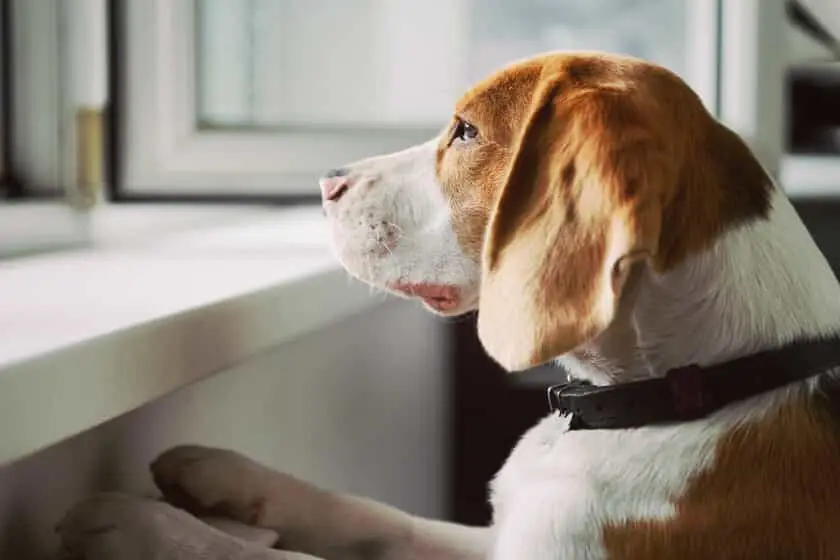
Long-term emotional tension will weaken pets’ immunity and make them catch colds and illnesses more easily. Mental depression easily causes eating disorders such as picky eating, anorexia and overeating. Constant barking and pacing lead to physical exhaustion and sleep disorders. Severe anxiety may even cause self-harm behaviors like excessive fur licking and skin biting. Some anxious pets develop habitual indoor soiling, stomach upset, vomiting and diarrhea, seriously damaging overall health.
4. Easy Daily Home Tips to Calm Pet Mood
Place old clothes and pillows with owner’s familiar scent indoors to soothe pets quickly. Prepare plenty of durable chew toys and food-dispensing toys to distract their attention. Keep soft indoor lighting instead of total darkness. Close curtains properly before going out to reduce stimulation from outside movements. Maintain a quiet living environment and avoid sudden loud noises that trigger nervousness.
5. Correlation Between Pet Age and Separation Anxiety Level
Young pets just leaving their littermates and mothers have extremely strong dependence, so they are the most vulnerable group to separation anxiety. Young adult pets used to constant company are also easy to form strong attachment feelings. Senior pets over seven years old lack a sense of security and fear loneliness and environmental changes, resulting in more obvious anxious emotions. Pets trained to stay alone from an early age tend to keep calm and stable when growing up.
6. Separation Anxiety Tendencies Among Different Pet Breeds
Among dogs, clingy breeds such as Poodles, Bichons, Golden Retrievers and Corgis suffer from serious separation anxiety. Independent and steady breeds like Huskies, Shiba Inus and guard dogs adapt much better to being alone. As for cats, gentle clingy breeds including Ragdolls and Persians are prone to loneliness and depression. Native domestic cats, British Shorthairs and American Shorthairs are naturally independent and can easily adapt to staying home alone.
7. How Environmental Changes Affect Pet Separation Mood
Pets feel safe and less anxious in long-term fixed living spaces. Frequent house moving and room rearrangement greatly increase their unease. Irregular owner schedules make pets unable to predict routines and become more irritable. Pets staying indoors all day long have poorer social adaptability compared with frequently socialized pets, so they struggle more with alone time.
8. Exclusive Ways to Ease Anxiety in Multi-Pet Households
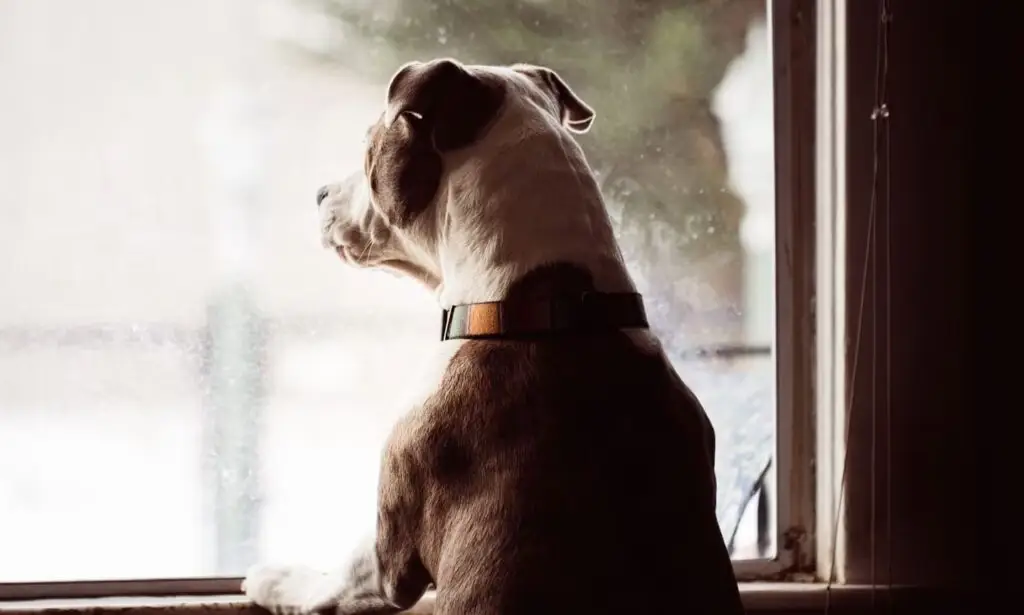
Companionship among pets can greatly reduce loneliness and relieve separation anxiety effectively. Let calm and gentle pets guide timid and clingy ones. Avoid leaving only one pet at home alone and keep them accompanied. Train alone-time habits together and unify daily routines. Prevent fierce fighting and create a relaxed and stable home atmosphere.
9. Typical Signs of Pet Separation Anxiety + 7 Practical Improvement Methods
Typical Behavioral Signs of Separation Anxiety
- Getting nervous and following owners closely when seeing shoes or keys before going out
- Constant long-time barking, whining and scratching doors right after owners leave home
- Crazy furniture biting and item destroying to release inner irritability while staying alone
- Random indoor peeing and pooping even after fully mastering litter box or potty training
- Waiting quietly by the door all day with low spirits and refusal to eat or drink
- Overly excited rushing and hugging immediately after hearing door opening sounds
- Severe self-comforting behaviors such as excessive fur licking and limb biting
7 Effective Training and Soothing Improvement Methods
1.Gradual Alone-Time Training
Start with short-time departures and come back soon, then slowly extend the leaving duration step by step, letting pets adapt to being alone gradually without rushing.
2.Simplify Leaving Rituals
Avoid extra kissing, hugging and deliberate farewells before going out. Keep leaving and returning plain and casual to lower pets’ sensitivity towards departure behavior.
3.Consume Excess Energy Fully
Take pets for sufficient exercise and play half an hour before going out to use up their physical strength. Tired pets prefer sleeping quietly alone instead of making noises.
4.Distract Attention with Interactive Toys
Place treat-dispensing balls, sniffing mats and puzzle toys at home to keep pets occupied and relieve loneliness and anxiety.
5.Build Comfortable and Familiar Living Atmosphere
Leave owner-scented personal items on site, and play soft relaxing music or white noise to cover outside noises and create a secure living environment.
6.Correct Reward and Discipline Guidance
Offer snacks and gentle petting as positive rewards when pets stay quietly alone. Ignore wrong behaviors calmly instead of scolding severely after coming home to form good habits.
7.Cultivate Independent Personality Daily
Avoid sticking together all the time at home and reserve separate personal spaces. Reduce excessive doting and close interaction to develop steady and independent pet character from an early age.
10. Frequently Asked Questions About Pet Alone-Time Anxiety
Q: Will separation anxiety disappear naturally as pets grow older?
A: No. Without proper training, anxious symptoms will become worse over time. Early gradual guidance can achieve better correction results, while fixed bad habits are much harder to change in adulthood.
Q: Is crate training helpful for easing separation anxiety?
A: It can limit destructive behaviors temporarily but cannot cure psychological anxiety fundamentally, and may even increase inner depression. It is only suitable for transitional use instead of long-term dependence.
Q: Can staying with pets all day long prevent separation anxiety?
A: On the contrary, longer company leads to stronger dependence, which causes more intense anxious reactions once owners leave. Proper alone-time practice is absolutely necessary.