Common Symptoms of Pet Parasite Infections & How to Prevent Fleas and Ticks

Internal and external parasites are widespread health threats for household pets. Fleas, ticks, roundworms and trichomonads suck pet blood and consume nutrients, while also spreading multiple zoonotic diseases that endanger both pets and family members. Many pet owners ignore regular deworming until obvious discomfort appears, which often leads to irreversible physical damage. This article summarizes typical signs of parasite infestation, highlights high-risk characteristics of fleas and ticks, and shares scientific daily prevention and deworming methods.
1. Can Indoor Pets Easily Get Parasites?
Many owners believe pets staying indoors all day will never catch parasites, which is incorrect. Parasite eggs can be brought indoors through owners’ clothes, shoes, parcels and household plants. Lawns, green belts and corridor corners are major gathering places for fleas and ticks. Even fully indoor pets face high infection risks. Regular parasite prevention is essential no matter how often pets go outside.
2. Common Deworming Mistakes Made by New Pet Owners
Most beginners make frequent errors: only deworm in summer and stop completely in cold seasons; use medicines temporarily after seeing pests without regular prevention; perform internal and external deworming on the same day; use human insect repellents or low-quality unbranded products; bathe pets right after deworming and reduce drug effectiveness; use strong dewormers blindly for puppies, kittens and pregnant pets; only kill adult parasites while ignoring eggs, resulting in repeated reinfestation.
3. Multiple Health Hazards Caused by Long-Term Parasite Infestation
Continuous bites from fleas and ticks trigger severe itching, allergic dermatitis, large-area hair loss, red swelling and skin ulcers. Ticks spread serious blood-borne diseases and cause pet anemia and lethargy. Internal parasites such as roundworms and hookworms take in-take nutrients away, leading to weight loss, malnutrition and stunted growth. Severe cases cause vomiting, diarrhea, bloody stool and swollen abdomen. Some parasites are contagious to humans, especially kids and the elderly, threatening whole-family health.
4. Easy and Effective Daily Home Deworming Tips
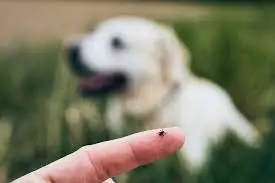
Clean living areas thoroughly regularly, wash and sun dry pet beds, toys and blankets frequently. Keep rooms dry and well ventilated to eliminate dark humid corners suitable for parasite reproduction. Groom pet fur carefully after outdoor activities, focusing on armpits, behind ears and paw gaps. Avoid letting pets wander in overgrown grass and damp dirty areas. Conduct regular household environmental disinfection to restrain egg hatching fundamentally.
5. Connection Between Parasite Risks and Pet Age
Young pets have weak immunity and delicate stomachs, making them highly vulnerable to internal parasites, which cause picky eating, thin body and slow development. Adult pets with wide activity ranges are most likely to get external parasites like fleas and ticks during daily walks. Senior pets over seven years old have declining physical fitness, recover slowly after parasite infection and easily develop underlying diseases, so mild and safe deworming products are highly recommended.
6. Parasite Infection Tendencies Among Different Pet Breeds
Long-haired cats and dogs have thick dense fur where parasites hide easily, leading to much higher external parasite infection rates than short-haired pets. Short-legged breeds walking close to the ground are more likely to catch ticks in grass. Small-sized inactive indoor pets tend to accumulate internal parasite eggs easily. Free-range outdoor pets face multiplied parasite risks compared with indoor-raised companions.
7. How Seasonal Changes Affect External Parasite Activity
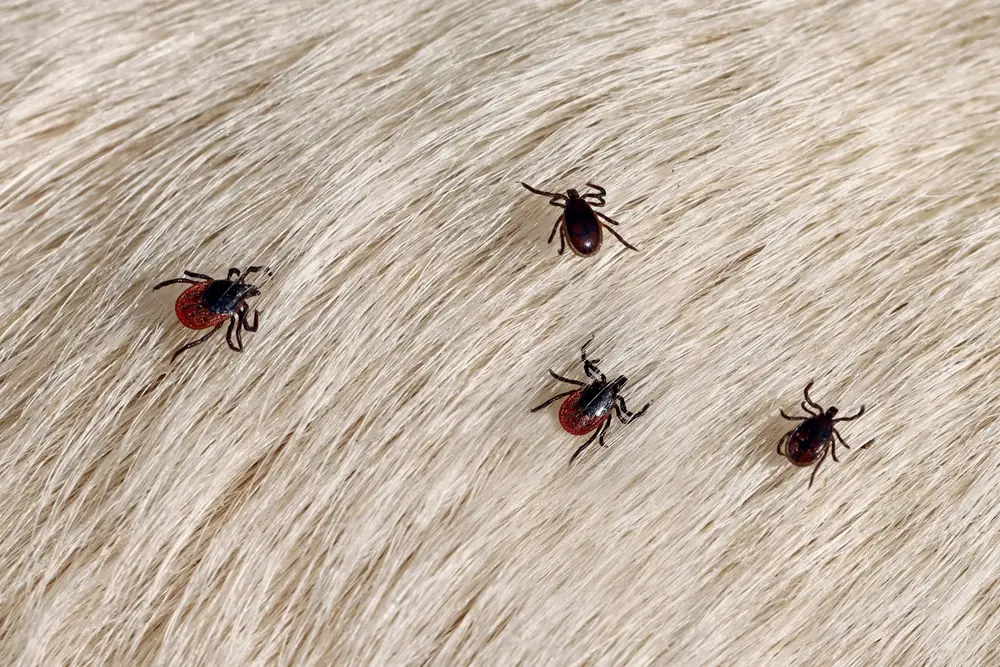
Warm and humid spring and summer create perfect conditions for parasite egg hatching, making fleas and ticks breed and spread most actively, which is the key period for strict prevention. High humidity in rainy seasons accelerates pest reproduction rapidly. Although adult parasites become less active in autumn and winter, eggs can survive cold weather and break out massively once temperatures rise, so deworming cannot be stopped in cold seasons.
8. Full-Scale Parasite Prevention Tips for Multi-Pet Households
Once one pet gets infected in multi-pet families, parasites spread quickly to all other pets. All pets need synchronized regular deworming instead of only treating sick individuals. Fully disinfect shared food bowls, beds and pet toys. Isolate newly adopted pets and complete full parasite removal first before mixing them with original pets, to prevent external parasite egg introduction.
9. Obvious Parasite Infection Symptoms + Flea & Tick Prevention Plans
Clear Signs of Pet Parasite Infections
1.External Parasite
SymptomsFrequent scratching and fur biting, red skin bumps and excessive dandruff; visible black parasite eggs or tiny pests near hair roots; frequent ear shaking and floor rubbing with restless sleep; severe local alopecia and inflamed suppurative skin.
2.Internal Parasite Symptoms
Gradual weight loss with normal appetite and dull rough coat; frequent vomiting and diarrhea with visible worms in feces; abnormally big belly, low energy and inactive behavior; bloody stool, malnutrition and growth retardation in young pets.
Professional Flea and Tick Prevention Solutions
1.Follow regular external deworming schedules
Use pet-specific spot-ons and sprays monthly in peak warm seasons, and extend the interval to one and a half months in cold weather.
2.Choose safe outdoor activity routes
Avoid overgrown bushes, wild lands and damp ditches; prefer clean flat roads during daily walks.
3.Full body inspection after going out
Groom whole pet fur carefully and check ears, armpits, groins and paw gaps thoroughly every time pets return home.
4.Regular household environmental disinfection
Spray pet-safe insect repellent in pet activity zones and hidden corners to kill residual parasite eggs.
5.Correct tick removal methods
Never pull out ticks forcibly by hands to avoid leftover mouthparts causing inflammation; send pets to professional pet hospitals for safe removal.

10. Frequently Asked Questions About Pet Deworming
Q: Is external deworming still necessary for pets that never go out?
A: Yes. Parasite eggs can be carried home through various channels. Indoor pets still need regular flea and tick prevention to avoid hidden infestation.
Q: Can internal and external deworming be done on the same day?
A: It is not recommended. Keep a 2 to 3-day interval to reduce pet physical stress and ensure stable deworming effects.
Q: How long should owners wait to bathe pets after external deworming?
A: Wait at least 3 days before bathing. Early washing will wash away skin repellent medicine and greatly shorten protection duration.