Why Do Cats Run Wild at Night? Vet Explains Common Causes & Solutions

Many cat owners struggle with a common issue: after falling asleep, their cats suddenly dash around, jump up and down and play loudly in the middle of the night. This so-called “midnight zoomies” disturbs owners’ rest, and excessive hyperactivity also poses hidden health risks to felines. This behavior is not just simple mischief. It results from a combination of biological instincts, irregular schedules, excess energy, health conditions and environmental factors. Based on professional veterinary knowledge, this article breaks down all root causes of cat nighttime zoomies and shares practical, easy-to-follow adjustment methods. You can correct your cat’s hyper nighttime habits and enjoy peaceful sleep for both you and your pet.
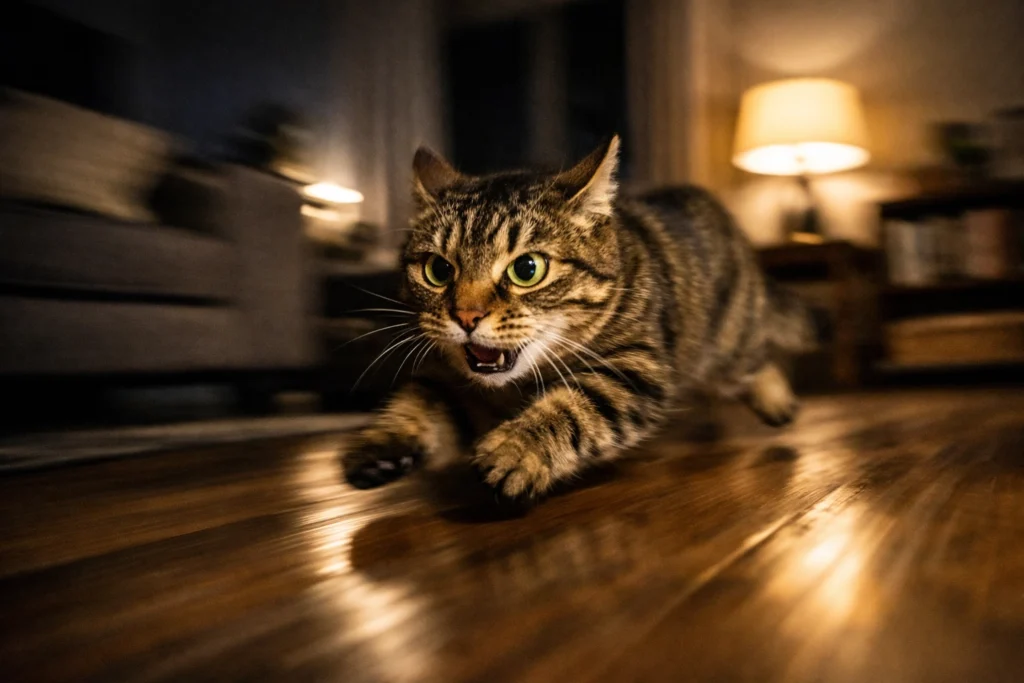
1. Is All Nighttime Running Behavior Abnormal for Cats?
It is important to distinguish natural instincts from abnormal behaviors. Cats are crepuscular animals, which means they are naturally most active at dawn and dusk. Short bursts of running and playing are innate hunting instincts inherited from their wild ancestors and completely normal. However, if your cat runs frantically, meows loudly and plays aggressively for a long time every midnight and severely disrupts household rest, or accompanies with anxiety, poor appetite and frequent waking up, this is no longer normal behavior. It is caused by irregular routines, surplus energy, physical discomfort or emotional stress and requires timely intervention.
2. Common Mistakes When Stopping Cats From Running Wild at Night
Many correction methods actually make the problem worse. Shouting, chasing or punishing cats during midnight activity turns running into interactive games. Feeding large amounts of food or snacks before bedtime to quiet cats down increases gastrointestinal burden. Confining cats in narrow spaces at night triggers stress and worsens restlessness. Letting cats sleep all day without activity leads to extreme energy surplus at night. Playing with cats actively when they zoom around rewards bad habits indirectly. Using human sedatives or calming medicine arbitrarily seriously endangers cats’ health.
3. Negative Impacts of Long-Term Nighttime Hyperactivity on Cats
A long-term reversed day-night schedule disrupts cats’ biological clock, resulting in daytime lethargy and weakened immunity. Cats become more vulnerable to colds, skin diseases and other illnesses. Frequent intense running at night accelerates joint and bone wear, especially worsening joint pain in senior cats. Irregular routines disturb gastrointestinal metabolism and cause picky eating, loose stools and vomiting. Persistent nighttime hyperactivity also makes cats sensitive and irritable, leading to inappropriate urination and over-grooming, while greatly ruining owners’ sleep quality.
4. Quick Home Tips to Calm Restless Cats at Night
When your cat starts running wildly at midnight, keep indoor lights dim and avoid getting up, calling or scolding. Put down wands, paper balls or other toys to let cats play and calm down gradually. Close doors and windows to prevent injuries from collision during chasing. Maintain a quiet environment and reduce outside noise. Place clothing with your familiar scent nearby to ease excitement and help cats settle down.
5. Connection Between Nighttime Zoomies and Cat Age & Body Type
Kittens aged 3 months to 1 year have boundless energy and strong curiosity, so they are the most likely to have midnight zoomies. Running and playing are their main ways to explore the world and release energy. Adult cats from 1 to 7 years old usually have stable schedules. Their nighttime hyperactivity is mostly caused by lack of exercise or environmental changes. Senior cats over 7 years old that pace and run frequently at night may suffer from deteriorated eyesight and hearing, cognitive dysfunction, joint pain or internal organ diseases, which require thorough health checks. Overweight and inactive cats are more prone to unbalanced daily routines.
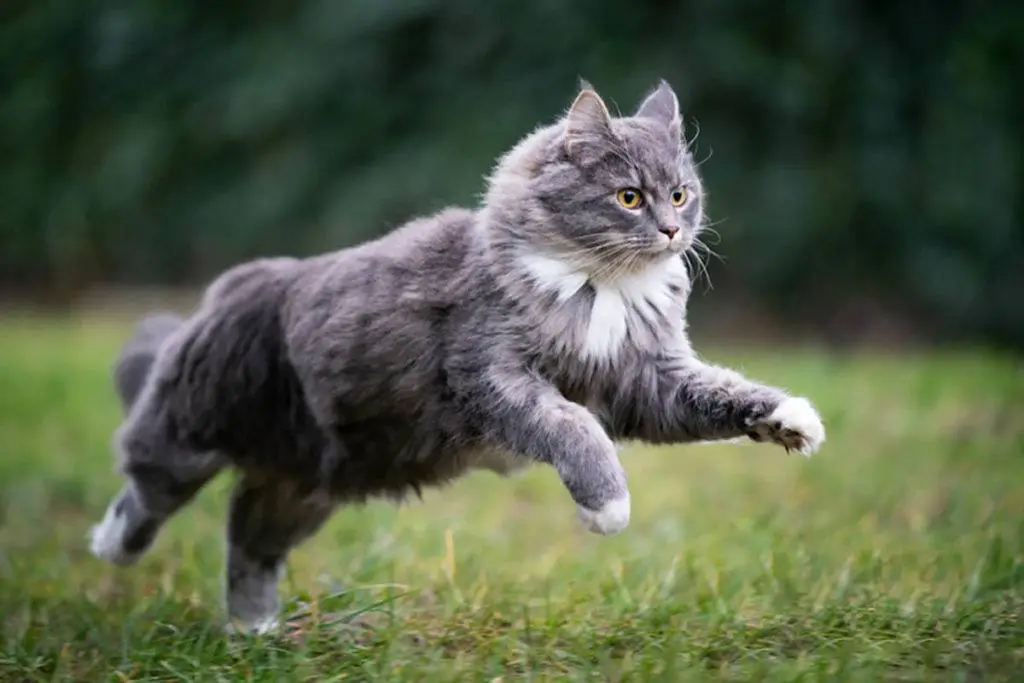
6. Differences in Night Activity Levels Among Various Cat Breeds
Energetic breeds such as Oriental Shorthairs, Bengal Cats and American Shorthairs are naturally lively and tend to run around at night. Gentle long-haired breeds like Ragdolls and Persians are quiet and lazy, and mostly rest soundly after dark. British Shorthairs and mixed domestic cats have moderate personalities, and their routines depend largely on daily guidance. Timid and sensitive breeds may feel nervous due to nighttime environmental changes and keep pacing back and forth.
7. How Seasonal and Environmental Changes Affect Cat Schedules
Summer has longer days and cooler nights, so cats prefer staying active after dark and zoom around more often. Cold and long winter nights make cats curl up and sleep, with much lower night activity. Obvious temperature and light shifts during spring and autumn disrupt cats’ body clocks and cause periodic nighttime restlessness. Flying insects, moths or small wild animals outside windows can arouse cats’ hunting instincts and trigger chasing and running at midnight.
8. Tips to Reduce Group Nighttime Hyperactivity in Multi-Cat Households
Cats easily excite each other. One running cat will quickly lead the whole group to play wildly, so unified schedule adjustment is necessary. Increase group playtime during the day to consume extra energy together. Arrange separate resting areas to avoid gathering and roughhousing. Put away chasing toys at night to cut off triggers. If one cat acts restlessly due to illness, isolate and care for it in time to avoid disturbing other cats.
9. Full Analysis: Causes & Practical Solutions for Cat Midnight Zoomies
Common Causes of Cats Running Wild at Night (Vet Summary)
- Unbalanced daily routines and excess energy Cats are born active at twilight. If they sleep all day without exercise, they store plenty of energy and have to release it by running and playing after dark. This is the most common cause.
- Activated hunting instincts Shadows, moving objects, flying creatures outside windows or slight noises will awaken cats’ primitive hunting drive and trigger chasing, pouncing and sprinting.
- Improper feeding schedule An early last meal makes cats feel hungry in the middle of the night, so they run and make noise to ask for food. Overeating right before bedtime also causes stomach discomfort and restlessness.
- Boredom and emotional anxiety Long hours of solitude while owners are out leave cats feeling lonely and stressed, which they relieve through nighttime activity. Home rearrangement, new pets or family members can also lead to anxious pacing and running.
- Underlying health issues Apart from normal play in kittens, sudden frequent nighttime running and howling in senior cats may indicate joint pain, hyperthyroidism, kidney disease or feline cognitive dysfunction. Frequent litter box visits and painful urination also cause repeated nighttime activity.
6 Effective Solutions Recommended by Vets
- Fully burn off energy during the day Play with your cat in separate sessions using feather wands, laser pointers and interactive toys. Each session lasts 15 to 20 minutes, 3 to 4 times a day. Prevent cats from oversleeping in daytime.
- Adjust feeding time and diet Serve the final meal 1 to 2 hours before your bedtime. Use automatic feeders or puzzle feeders to keep cats occupied and ease midnight hunger. Never offer excessive snacks before sleep.
- Have intense play right before bedtime Arrange a round of high-energy play half an hour before going to bed to simulate hunting activities. Tired cats will naturally fall into deep sleep and stay calm all night.
- Optimize nighttime home environment Close curtains to block outside lights, shadows and small animals. Put away balls and elastic toys that encourage chasing. Keep the room dim and quiet throughout the night.
- Build a fixed bedtime routine Stick to regular schedules including play, feeding, grooming and gentle petting. Help your cat form a conditioned reflex to know it is time to rest once the routine finishes.
- Check for potential illnesses For senior cats and adult cats with sudden schedule changes, take them to the vet for a full health check first. Rule out hyperthyroidism, kidney disease, joint problems and cognitive disorders. Treat illnesses before correcting behavioral issues.
10. Frequently Asked Questions About Adjusting Cats’ Night Routines
Q: Will locking a cat in a separate room stop midnight zoomies?
A: It can reduce noise temporarily but cannot solve excess energy or anxiety fundamentally. It may even worsen stress. Prioritize increasing daytime exercise and adjusting routines instead.
Q: Can I give my cat snacks to make it sleep?
A: Not recommended. This will teach your cat that making noise earns treats and burden its digestive system, making nighttime problems worse. Q: Will kittens outgrow midnight zoomies naturally as they age?
A: Some cats become less active when growing up. However, bad day-night reversed habits will stay if left uncorrected. Early guidance always brings better results.