Pet End-of-Life Care Guide: How to Recognize Pain & Provide Comfortable Care

In the final stage of a pet’s life, physical functions decline completely, and they constantly suffer from illnesses, weakness and low mood. Many pet owners fail to tell whether their pets are in pain or know how to offer gentle care, and can only watch their companions struggle through the last days. End-of-life care does not mean giving up treatment. Instead, it focuses on stopping unnecessary aggressive medical intervention, relieving physical pain, improving comfort and accompanying pets to pass away peacefully. This guide teaches you to identify pet pain signs accurately and shares warm and comforting nursing methods. With patience and company, you can help elderly and sick pets spend their final days peacefully and gracefully.
1. Do Pets Have to Suffer Naturally in Their Final Days?
Many people think pain and discomfort are inevitable for old and seriously ill pets in their later life, and nothing can be done but let nature take its course. In fact, end-of-life discomforts such as soreness, chest tightness, body stiffness, insomnia and difficulty eating can be greatly relieved through scientific care. Pets cannot express their suffering in words, and all pains are reflected in their movements, facial expressions and breathing states. With careful observation and proper soothing nursing, owners can minimize their agony and let pets depart calmly in a warm and stable environment rather than enduring severe torment.
2. Most Common Wrong Care Practices During Pet End-of-Life Stage
Out of sincere love, many owners take improper measures: forcing dying pets to eat and drink which increases gastrointestinal burden; blindly giving intravenous infusion and injections and excessive rescue treatments causing more physical damage; frequently lifting and moving weak pets and triggering severe joint pain; keeping noisy indoor surroundings and frequent visitor disturbances breaking quiet rest atmosphere; feeling anxious and passing negative emotions to pets; insisting on regular deworming, vaccination and outdoor walks regardless of poor physical tolerance; deliberately delaying farewell time and making pets struggle harder against illnesses.
3. Physical and Mental Torments Caused by Lack of Proper Hospice Care
Without thoughtful end-of-life care, pets will endure long-lasting whole-body pain, poor breathing and physical stiffness. Being too weak to turn over independently easily leads to bedsores and skin ulcers. Complete loss of appetite causes rapid physical exhaustion, severe dehydration and internal organ failure. They will also stay in constant fear and anxiety with severely disrupted sleep schedules. In the final moments, pets may pass away amid severe convulsions, breathing difficulties and intense physical pain.
4. Easy Home Ways to Calm Dying Pets Quickly
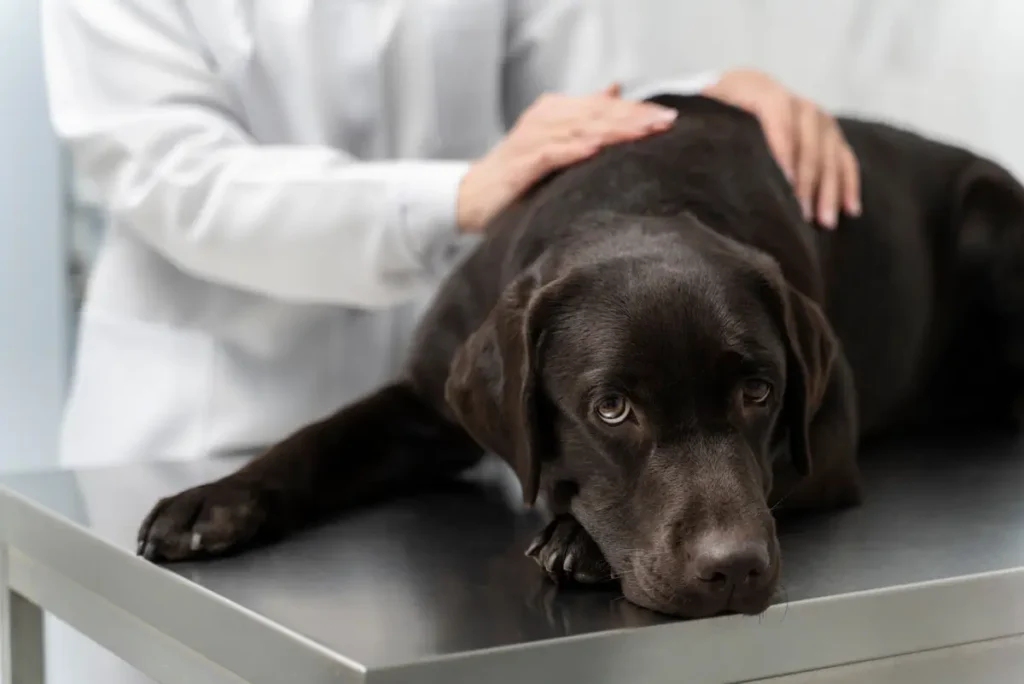
Place dying pets in quiet and familiar areas where owners often stay. Keep soft dim lighting and avoid strong direct sunlight. Speak gently and move slowly. Stroke their heads and backs softly in their favorite touching areas. Keep them away from noisy corridors and doorways to block all external noises. Maintain steady indoor temperature to prevent overheating or coldness and ease nervous moods efficiently.
5. Connections Between Final Health State and Pet Age & Physique
Pets dying of natural aging experience gradual physical decline with milder pain and calmer emotions. Those reaching end-of-life due to acute illnesses suffer faster physical deterioration, stronger body pain and more restless moods. Pets with strong natural vitality stay relatively stable in their final period, while frail pets with multiple chronic diseases tend to have more complications and need more targeted pain relief and soothing care.
6. Breed Differences in End-of-Life Behavioral Manifestations
Large dog breeds usually suffer severe joint pain, difficulty standing and obvious limb stiffness in later life. Small pets feel less physical soreness but are more likely to have palpitations and shortness of breath. Flat-faced breeds tend to have severe breathing difficulties and chest distress. Long-haired pets easily get tangled messy fur when weakening and feel more uncomfortable. Compared with dogs, cats are more tolerant of pain and hide discomfort quietly, making their suffering harder to notice.
7. How Seasonal Temperature Changes Affect Critically Ill Pets
In hot summer, dying pets lose heat dissipation ability easily, leading to rapid breathing, hot discomfort and heavier cardiopulmonary pressure. In cold autumn and winter, poor blood circulation causes cold stiff limbs and worsened joint pain. Sharp seasonal temperature fluctuations may trigger cough, asthma and gastrointestinal disorders, which further weaken fragile bodies. Constant warm or cool temperature control is essential all year round.
8. Company and Isolation Tips for Dying Pets in Multi-Pet Households
Limit healthy pets from disturbing critically ill companions with chasing and playing. Allow short-distance gentle company to satisfy emotional needs if suitable. Isolate dying pets immediately for quiet rest once they become sensitive and irritable. Separate feeding and resting areas thoroughly to avoid disturbance during recovery. Soothe anxious moods of other pets timely to keep overall household atmosphere peaceful.
9. Complete Pet Pain Recognition Signs & Full-Set Comfort Care Methods
Clear Signs to Tell If Pets Are in Pain in Final Stage
- Limb pain signs: Refusing to stand or walk, dodging and growling when touched, curling up tightly without stretching, trembling while standing up
- Internal organ discomfort signs: Frequent retching and vomiting, tight hard abdomen, preferring side lying rather than lying flat, rapid breathing and obvious chest ups and downs
- Emotional suffering signs: Constant low whimpering, hiding in corners away from people, dull empty eyes, excessive sleep yet poor sleep quality
- Sensory discomfort signs: Resisting touching and petting, getting startled easily by noises, feeling extremely insecure with declined eyesight and hearing
- Late-stage failure signs: Gradually cold limbs, loss of body control, urinary and fecal incontinence, open-mouth gasping and slight continuous body twitching
Warm Full-Process Comfort End-of-Life Care Methods
1.Create constant-temperature quiet resting space
Turn off unnecessary lights and noisy electric appliances. Keep indoor temperature stable, ensure good ventilation and cooling in summer, and full warm protection in winter to build a cozy quiet nest.
2.Prepare soft bedding to prevent bedsores
Lay thick soft cotton pads and fluffy cushions. Help pets turn over gently at regular intervals to avoid long-term local body compression and prevent skin damage and ulcers.
3.Offer proper water instead of forced feeding
Stop force-feeding once pets completely lose appetite. Moisten their mouths and lips with warm water using cotton swabs to relieve dryness. Provide tiny amounts of water only if they can swallow smoothly to ease internal thirst.
4.Gentle massage to ease whole-body soreness
Pet slowly along hair growth directions and avoid stiff painful areas. Knead stiff joints softly to relieve numbness and aching pain with all gentle movements without pulling bodies.
5.Eliminate all unnecessary external stimulation
Stop bathing, grooming, outdoor activities, frequent medicine taking and injections. Refuse excessive visits from relatives and friends and let pets rest in the most relaxed state.
6.Stay around to provide sufficient sense of security
Accompany pets as much as possible silently without redundant talking. Familiar company brings more comfort than any medicine in their final days.
7.Relieve symptoms professionally under vet guidance
Adopt mild pain-relieving and soothing nursing methods suggested by veterinarians. Prioritize pain reduction and peaceful passing away rather than aggressive rescue attempts.
10. Frequently Asked Warm Questions About Pet End-of-Life Care
Q: Does constant whimpering mean the pet is in great pain?
A: Mostly caused by physical weakness, poor breathing and general soreness. Proper warming, regular turning-over and noise reduction can effectively relieve their suffering.
Q: Should owners keep feeding nutritional supplements when pets refuse food and water?
A: There is no need. Aging bodies can no longer digest and absorb nutrients in final stage. Forced feeding only causes nausea and vomiting and increases pain. Just keep their mouths moist properly.
Q: What do dying pets need most from their owners?
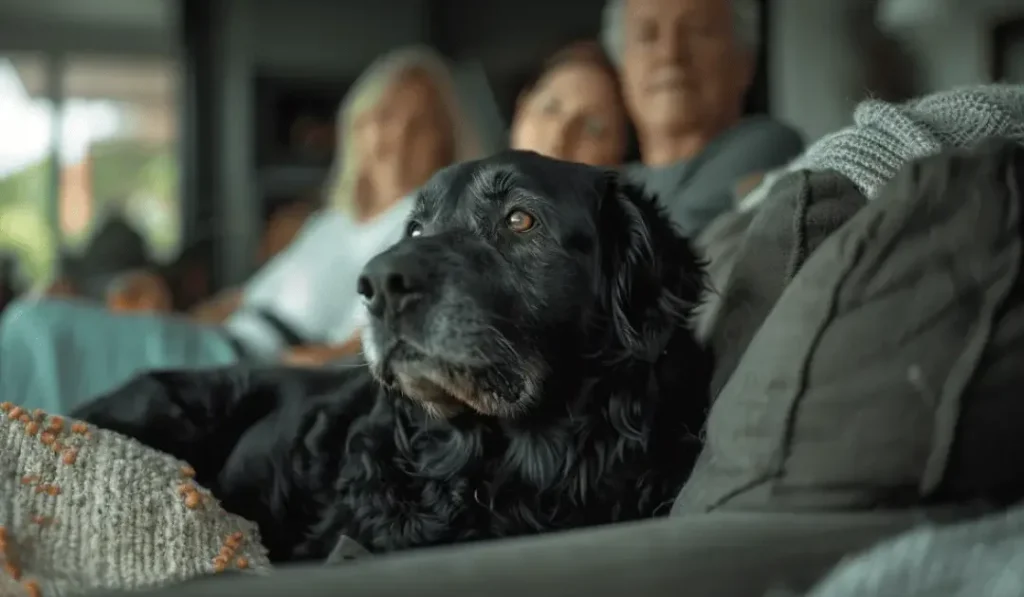
A: Stay quietly beside them with soft gentle touches, keep the living environment warm and stable, and let them leave peacefully surrounded by familiar scents and warm company.