Is Excessive Cat Grooming Leading to Bald Spots Normal? Complete Guide to Stress & Skin Issues

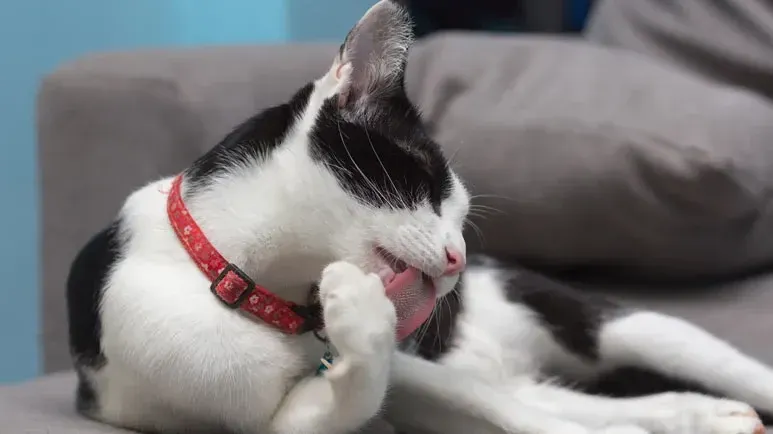
Grooming is an innate habit for cats. Moderate daily licking helps them clean fur and soothe emotions. However, if a cat repeatedly licks, chews and pulls at the same area until the hair falls out completely, this is no longer normal behavior. Excessive grooming and patchy baldness are commonly caused by mental stress, itchy skin, parasites, allergies or underlying internal diseases. Without proper care, it will lead to broken skin, inflammation and secondary infections, severely threatening feline health. Combining professional veterinary experience, this guide covers all potential causes of over-grooming and bald patches in cats. It differentiates stress-induced behavioral grooming from medical skin conditions, and provides targeted improvement, care and treatment solutions. Follow this guide to identify root problems and protect your cat’s skin and coat health.
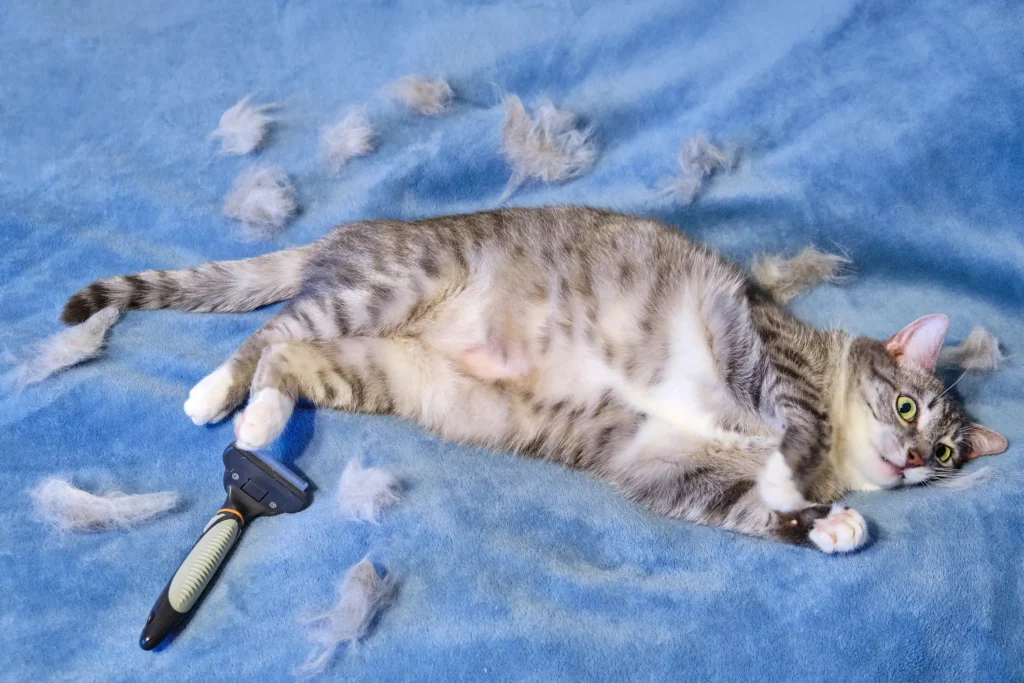
1. Does Baldness Caused by Cat Grooming Always Mean Illness?
Healthy cats groom gently on a regular basis with even, smooth fur and no bare patches. Local hair loss from constant licking falls into two main categories. The first is behavioral grooming triggered by stress. The skin looks normal without redness, dandruff or scabs, and cats lick themselves compulsively to relieve anxiety. The second is medical skin problems. It occurs due to itchiness, pain, parasites, fungi or allergies, and cats lick and scratch persistently because of physical discomfort. These two conditions have distinct symptoms and require different treatments. Not all bald spots are skin diseases, so careful observation and judgment are essential.
2. Common Mistakes When Dealing With Excessive Cat Grooming
Many owners only address the symptoms instead of the root cause, which often worsens the situation. Using an Elizabeth collar alone to block licking without finding underlying issues will lead to immediate relapse once removed. Bathing cats too often or using harsh grooming products damages the natural skin barrier. Applying human ointments or unproven home remedies may cause secondary allergies or poisoning. Mistaking over-grooming baldness for normal shedding delays treatment and turns minor issues into stubborn skin disorders. Scolding or punishing cats for licking increases their stress and restlessness. Frequently changing cat food or rearranging home spaces further disturbs sensitive felines.
3. Multiple Harms Caused by Long-Term Over-Grooming
Continuous licking and biting thin and break the outer skin, resulting in red lesions, open wounds and bleeding. Bacterial invasion easily causes dermatitis, pus and fungal infections. Large areas of hair loss weaken the skin’s insulation and protection, making cats more vulnerable to cold and insect bites. Stress-induced over-grooming indicates long-term emotional distress, which further leads to poor appetite, low immunity and disrupted sleep. In addition, swallowing large amounts of fur during frequent grooming increases gastrointestinal burden, triggering hairballs, vomiting and constipation. In severe cases, intestinal fur blockages can be life-threatening.
4. Easy Home Tips to Relieve Frequent Cat Licking Temporarily
Put a properly sized Elizabeth collar on your cat to physically stop licking and biting affected areas. Keep the home quiet and reduce disturbances from noise, guests and strangers to calm their mood. Groom the whole body gently with a soft brush to shift their attention. Maintain good indoor ventilation and cleanliness, and regularly wash cat beds and cushions to minimize mites and bacteria. Avoid staring at or scolding the cat. Play interactive games with toys to help them release energy and relieve stress.
5. Links Between Over-Grooming and Cat Age & Body Condition
Kittens aged 3 months to 1 year are curious and prone to excessive licking due to playing, external parasites or sensitive young skin. Adult cats aged 1 to 7 years are the most affected group. Long hours of loneliness and monotonous life easily develop compulsive grooming habits from stress. Senior cats over 7 years old may lick frequently to ease discomfort caused by declining senses, joint pain and organ disorders. Overweight and inactive cats have unbalanced skin oil secretion. Lack of exercise and emotional outlets also make their grooming and baldness issues more serious.
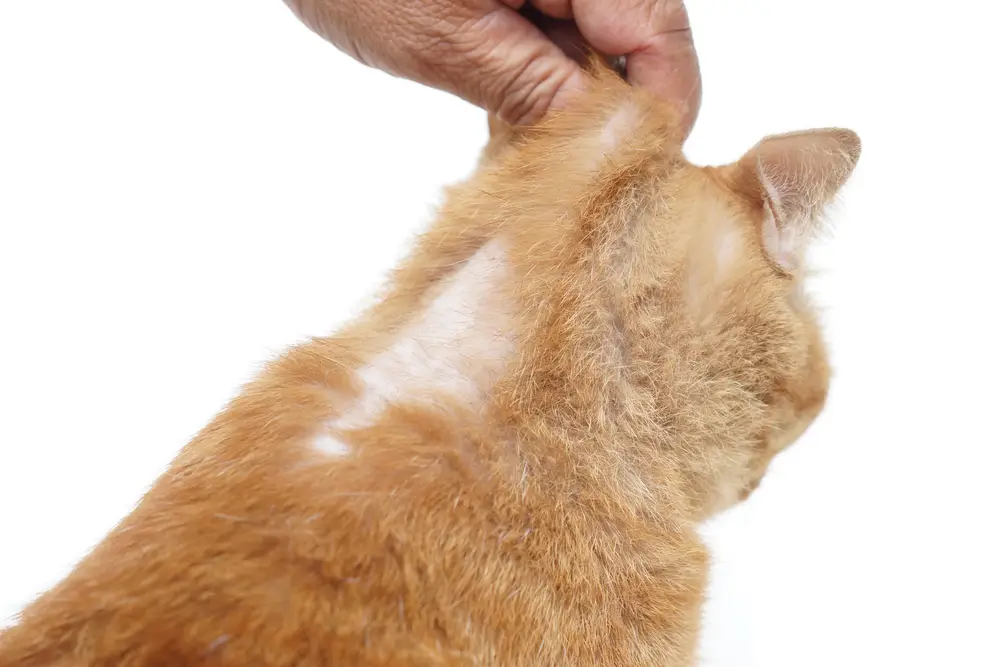
6. Breed Differences in Grooming Habits, Shedding and Skin Disease Risks
Long-haired breeds such as Ragdolls, Persians and Chinchillas have dense fur that tangles easily and traps dirt, raising risks of fungi and mites that cause itching and licking. Short-haired breeds including British Shorthairs, American Shorthairs and domestic mixed cats have more exposed skin, so they are more likely to suffer from allergic dermatitis. Hairless cats and flat-faced breeds have fragile skin barriers and are sensitive to external irritation, resulting in frequent local discomfort and licking. Timid and clingy breeds are more vulnerable to loneliness and stress, with a much higher rate of behavioral over-grooming and baldness than independent cat breeds.
7. How Seasonal & Environmental Changes Affect Cat Skin and Grooming Behavior
Warm and humid spring and summer see rapid reproduction of fungi, mites and insects, leading to a high incidence of feline skin diseases and increased licking caused by itchiness. Seasonal shedding also makes cats groom more frequently. Dry air in autumn causes dehydrated, flaky and itchy skin, which encourages extra licking. Closed rooms with poor ventilation in winter accumulate dust and mold and irritate the skin. Drastic temperature changes, house moving and furniture rearrangement can also trigger stress and compulsive grooming.
8. Special Care Tips for Abnormal Grooming in Multi-Cat Households
Hierarchy competition and resource fights commonly exist in multi-cat homes, leaving vulnerable cats under persistent mental stress and prone to stress-related over-grooming. Place food bowls, litter boxes and beds separately to reduce confrontation and conflict. Isolate any cat diagnosed with contagious skin diseases immediately to prevent cross-infection of fungi and mites. Examine the skin condition of all cats regularly for early detection and care. Arrange more group playtime to create a relaxed atmosphere and relieve collective anxiety.
9. Full Analysis: Causes & Complete Solutions for Over-Grooming and Bald Spots
Two Main Causes of Frequent Licking and Patchy Baldness in Cats
1. Mental Stress & Behavioral Issues (Behavioral Grooming)
- Chronic boredom and loneliness: When left alone at home for long hours, cats use excessive grooming to kill time and ease loneliness, which gradually develops into compulsive behavior.
- Environmental stress: House moving, renovation, new pets, frequent visitors and loud noises make cats feel unsafe and soothe tension through constant licking.
- Disrupted daily routine: Sudden changes to feeding, playing and sleeping schedules cause restlessness and abnormal grooming.
- Innate sensitive personality: Timid and insecure cats react to minor external stimuli with excessive licking.
2. Skin & Physical Disorders (Medical Grooming)
- External parasites: Fleas, mites and ticks cause persistent itching. Cats often lick areas around the belly, limbs and tail base.
- Fungal or bacterial skin infections: Ringworm and dermatitis lead to hair loss, dandruff, scabs and itchiness. These conditions are highly contagious.
- Food or environmental allergies: Allergies to pet food protein, grains, pollen, dust mites or cleaning products result in local or full-body red and itchy skin.
- Endocrine and organ diseases: Thyroid disorders, kidney problems and hormone imbalance cause widespread hair loss and dry skin accompanied by extra licking.
- Joint or physical pain: Senior cats with arthritis or hidden injuries keep licking sore areas to relieve discomfort.
Targeted Improvement & Care Solutions
Scenario 1: Stress & Anxiety Induced Behavioral Grooming (Intact skin, no redness or dandruff)
- Enrich daily activities: Use feather wands, laser pointers and puzzle feeders for regular play sessions to burn excess energy and avoid all-day napping.
- Optimize living environment: Keep familiar items and scents; avoid frequent layout changes. Add hiding spots and cat trees to boost security.
- Increase companionship: Set aside fixed daily time for gentle petting and interaction to reduce loneliness.
- Gradually correct bad habits: Use an Elizabeth collar for short periods combined with positive guidance. Never use harsh punishment.
- Vet-recommended calming aids: For severe anxiety, use pet-specific calming products under veterinary guidance.
Scenario 2: Skin Irritation & Diseases (Redness, dandruff, scabs and hair loss)
- Professional diagnosis: Take your cat to the vet for skin scrapings and fungal tests to confirm parasites, infection or allergies, then use targeted medication.
- Wear protective collars consistently: Prevent repeated licking and biting to avoid wounds and secondary infection.
- Medical baths and topical treatment: Follow vet instructions to use medicated shampoo, sprays and ointments. Sanitize living areas regularly to eliminate parasite eggs and fungi.
- Regular parasite prevention: Stick to monthly external deworming and routine internal deworming to stop parasite problems at the source.
- Dietary adjustment: Switch to hypoallergenic prescription food for food allergies. Cut off snacks and high-protein supplementary meals.
General Daily Care
Wash and sun-dry cat beds, cushions and toys regularly, and keep rooms well ventilated. Avoid over-bathing and use only cat-safe shampoo to protect the natural skin oil layer. Check coat and skin condition frequently for early intervention.
10. Frequently Asked Questions About Cat Grooming and Baldness Care
Q: Can a small bald patch from licking heal on its own if the skin is not red or itchy?
A: It is mostly stress-induced grooming. Spontaneous recovery is rare. You need to resolve emotional issues and enrich daily life to correct compulsive behavior, otherwise the bald area will keep expanding.
Q: Does frequent bathing reduce cat licking and skin diseases?
A: No. Over-bathing destroys the skin’s protective layer and worsens dryness and itchiness. Healthy cats only need bathing once every 1 to 2 months.
Q: How long does it take for fur to regrow after ringworm is cured?
A: After skin inflammation fully fades, hair usually grows back within 3 to 8 weeks. Keep up protection and care to prevent repeated licking and damage.