How to Deal With Excessive Cat Shedding? Seasonal Grooming & Nutrition Guide

Excessive shedding is a common trouble for every cat owner. During seasonal transitions, cats lose large clumps of fur, leaving hair all over sofas, clothes and floors. Many people regard heavy shedding as a normal phenomenon and pay little attention. In fact, besides natural seasonal molting, improper grooming, unbalanced nutrition, skin diseases, stress and anxiety can also cause abnormal hair loss. Neglecting severe shedding not only increases housework, but also leads to inflamed skin, damaged hair follicles and brittle fur in cats.
Combining professional pet grooming knowledge, animal nutrition and veterinary experience, this guide distinguishes normal molting from pathological hair loss. It explains major causes of heavy shedding, and provides practical advice on seasonal care, proper bathing, nutritional supplements and effective solutions. Follow these tips to reduce cat shedding and protect your feline’s skin and coat health.
1. Does Heavy Shedding Always Mean Your Cat Is Sick?
First, tell the difference between physiological shedding and pathological hair loss. Physiological shedding includes seasonal molting and regular fur metabolism. Fur falls out evenly all over the body, with intact skin free of redness, dandruff, scabs or bald patches. Cats maintain normal energy, appetite and daily routines, so no special treatment is needed.
However, if your cat loses fur in patches, leaving bare skin, or has dry, brittle hair accompanied by excessive dandruff, red itchy skin and frequent scratching and biting, this is abnormal shedding. It is usually triggered by skin infections, nutritional deficiencies, parasites, hormonal disorders or long-term stress. These are clear warning signs that require timely inspection and intervention.
2. Common Mistakes When Handling Excessive Cat Shedding
Many owners take improper measures that worsen shedding. Bathing cats too frequently, or using human body wash and soap, destroys the natural protective oil layer on the skin, leading to dry skin, damaged follicles and more hair loss. Blindly feeding popular hair-care products or human supplements burdens cats’ internal organs.
Shaving a cat’s coat completely cannot stop shedding. It may also cause stress, sunburn and skin allergies. Relying only on lint rollers to clean loose fur while ignoring regular brushing and skin care is just a temporary fix. Mistaking parasite or fungal infections for normal molting delays treatment for skin diseases. Feeding low-quality food long-term results in insufficient protein and trace elements, making fur fragile and prone to falling out.
3. Hidden Risks Caused by Long-Term Severe Shedding
If loose fur is not cleaned regularly, cats will ingest large amounts of hair while grooming, which easily forms hairballs. This may lead to vomiting, constipation and intestinal blockage, and severe cases require surgery. Untreated pathological hair loss leaves skin exposed and vulnerable to fungal and bacterial infections, expanding bald areas and developing chronic skin issues.
Shedding caused by malnutrition is often accompanied by poor physical condition and low immunity, making cats more susceptible to various illnesses. Severe itching and patchy fur loss make cats irritable and scratch constantly, creating a vicious cycle of skin and follicle damage. In addition, floating pet hair affects indoor hygiene and may trigger respiratory discomfort and allergies in humans.
4. Simple Daily Tips to Reduce Loose Fur at Home
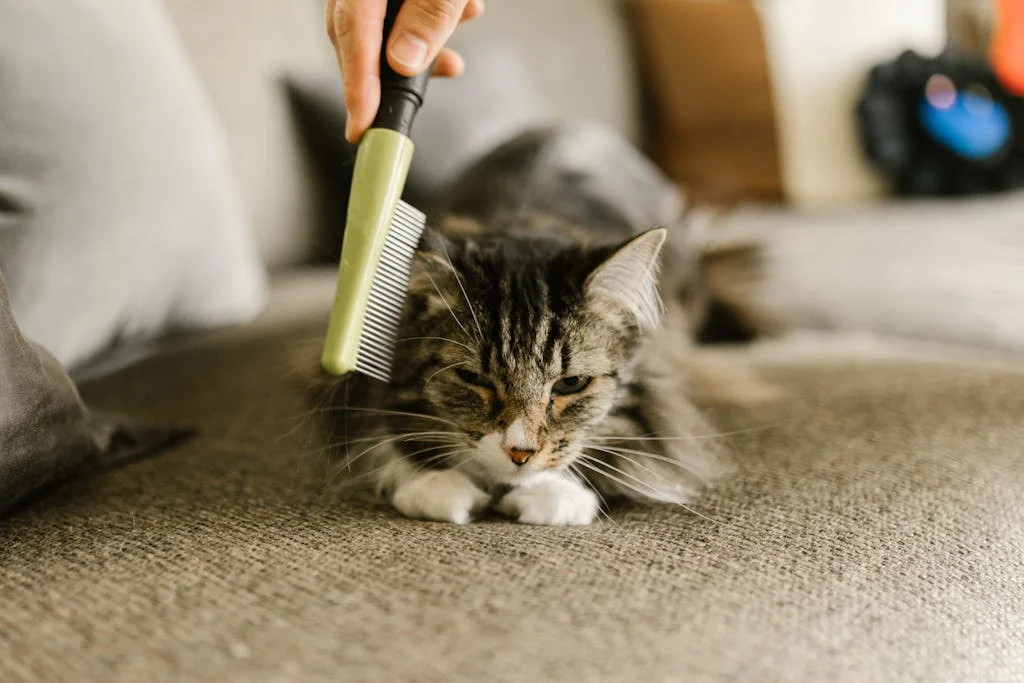
Brush your cat regularly every day with breed-specific combs to remove loose fur in advance and prevent hairballs. Avoid over-bathing unless necessary. Maintain proper indoor humidity to relieve dry skin and fur. Vacuum floors, sofas and fabrics frequently to remove residual hair.
Prevent cats from staying under direct strong sunlight for long periods to avoid sunburn and increased shedding. Keep cats active daily to ease mood and reduce stress-related hair loss.
5. Connection Between Shedding and Cat Age & Body Condition
Kittens aged 3 months to 1 year are in the fur development stage. Their soft kitten fur gradually turns into adult coat, causing regular even shedding. This is a normal growth process with healthy skin.
Adult cats from 1 to 7 years old have stable coat conditions. Heavy shedding mainly occurs during spring and autumn molting seasons. Sudden increased shedding in adult cats is mostly related to diet, improper grooming or environmental stress.
Senior cats over 7 years old have declining body functions. Reduced skin oil secretion and weakened hair follicles lead to thinner, drier fur and obvious shedding. Chronic diseases and hormonal problems in old age will further worsen hair loss. Overweight cats have slow metabolism and more skin folds with poor ventilation, which raises the risk of oil imbalance, skin problems and heavy shedding.
6. Cat Breed Differences in Shedding Traits & Grooming Needs
Long-haired breeds such as Ragdolls, Persians and Chinchillas have thick, long coats and shed heavily during molting seasons. They require frequent thorough brushing to prevent matting and keep skin moisturized.
Short-haired breeds including British Shorthairs, American Shorthairs, Siamese and domestic mixed cats have dense short fur. Tiny loose hair easily sticks to clothes and furniture. Daily brushing and regular deworming are essential.
Hairless cats and curly-coated breeds barely shed. Any patchy fur loss or skin abnormality usually indicates skin disease or injury and needs immediate examination. Special breeds like Scottish Folds and Munchkins tend to have low activity levels and poor nutrient absorption, so shedding issues are more noticeable.
7. How Seasonal & Environmental Changes Affect Cat Shedding
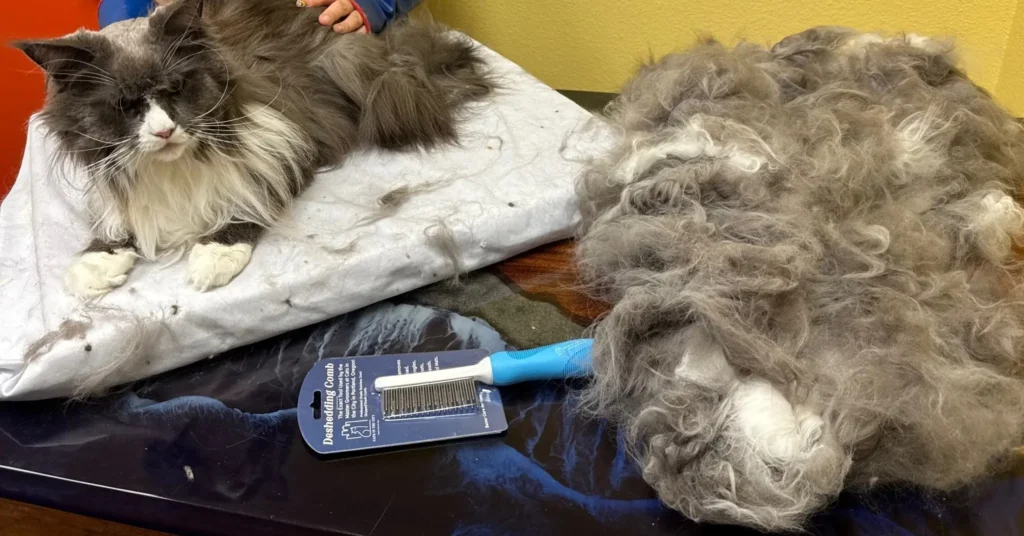
In spring, cats shed thick winter coats and grow lighter summer fur, resulting in the heaviest shedding of the year. In autumn, cats develop dense winter coats again, bringing another major molting period. These are natural seasonal cycles.
Hot and humid summer weather promotes skin oil secretion. Poor ventilation easily breeds fungi and mites, triggering pathological shedding. Dry air in winter, worsened by heaters and air conditioners, makes fur dry, brittle and prone to breakage.
In addition, moving house, renovation, frequent guests, loud noise and new pets cause long-term stress, disrupt metabolism and lead to abnormal out-of-season shedding.
8. Grooming Tips for Multi-Cat Households
Fungal and parasitic skin diseases spread quickly among cats. Isolate any cat with patchy fur loss or itching immediately and disinfect the whole house thoroughly.
Use unified pet grooming products, staple food and supplements for all cats. Prepare separate combs, beds and mats to avoid cross-infection. Wash and sun-dry pet supplies regularly to kill parasite eggs and fungi.
Distinguish normal molting from infectious skin issues. Even fur loss with healthy skin across all cats is typical seasonal shedding. If multiple cats develop dandruff, red spots and bald patches one after another, conduct full inspection and treatment for the whole group.
9. Full Analysis: Causes, Grooming & Nutrition Solutions for Excessive Shedding
Two Main Causes of Severe Cat Shedding
1. Physiological Shedding (Focus on Daily Grooming, No Medication Needed)
- Seasonal molting: Cats replace coats massively in spring and autumn to adapt to temperature changes. Fur falls out evenly with strong hair roots and smooth skin.
- Natural fur metabolism: Hair grows and sheds periodically all year round, producing a small amount of loose fur normally.
- Age-related fur transition: Kittens losing kitten fur and senior cats with naturally weakened follicles both experience temporary shedding without skin discomfort.
2. Pathological & Induced Shedding (Targeted Treatment Required)
- Nutritional imbalance: Long-term consumption of low-quality food leads to insufficient protein, lecithin, fish oil, vitamins and minerals. Fur becomes dull, fragile and sheds heavily, often accompanied by poor body condition.
- Skin issues & external parasites: Fleas, mites, fungi and bacterial infections cause itchy, inflamed skin. Cats scratch and bite constantly, resulting in patchy hair loss, excessive dandruff, red spots and scabs.
- Improper bathing habits: Over-frequent baths or human shampoo damage the skin’s sebum layer, causing dry skin and shedding.
- Stress & hormonal disorders: Long-term anxiety, heat cycles, thyroid problems and hormone imbalances disrupt body metabolism and cause unexpected year-round shedding.
Targeted Grooming, Bathing & Nutrition Plans
Case 1: Seasonal Physiological Shedding
Brush your cat 1 to 2 times every day according to coat length. Pay extra attention to armpits, belly and legs of long-haired cats to prevent matting. Use a humidifier indoors to relieve dry air. Clean pet beds and fabrics regularly.
Bathe cats once every 1 to 1.5 months in summer and every 2 to 3 months in winter with pet-specific shampoo. Dry the undercoat completely after bathing. Supplement with pet-grade fish oil and lecithin daily to strengthen fur and reduce seasonal shedding.
Case 2: Shedding Caused by Malnutrition
Choose high-quality cat food rich in animal protein. Add properly cooked chicken breast, fish and egg yolk for extra nutrition. Stick to pet fish oil, multivitamins and lecithin to nourish hair follicles. Never feed salty or greasy human food, as excess salt accelerates fur loss and oily skin.
Case 3: Parasites, Fungal & Bacterial Skin Infections
Stick to monthly external deworming and quarterly internal deworming. Take your cat to the vet for skin tests once dandruff, red spots or bald patches appear. Use prescribed sprays, medicated baths and ointments strictly. Deep clean the house and sun-dry all pet supplies to avoid reinfection.
Case 4: Dry Skin & Shedding From Improper Bathing
Stop using human toiletries and switch to mild pet shampoo. Extend the interval between baths and ensure thorough drying afterward. Run a humidifier indoors to improve air moisture and relieve dry skin.
Case 5: Shedding Caused by Stress & Hormonal Issues
Minimize environmental changes and disturbances. Add hiding boxes and toys, and spend more time accompanying your cat to ease anxiety. Consider neutering after heat cycles. Seek veterinary endocrine tests and professional care for hormone disorders.
General Daily Care Principles
Follow four core rules: regular brushing, balanced diet, routine deworming and correct bathing. Avoid blind shaving, over-bathing and improper supplements. Strengthen grooming and nutrition in advance before molting seasons.
10. Frequently Asked Questions About Cat Shedding
Q: Can I shave my cat completely to stop shedding?
A: Not recommended. Shaving cannot stop normal follicle metabolism, and new fur will still shed. It also increases risks of stress, sunburn, insect bites and coarse regrown fur.
Q: Is heavy shedding all year round normal for cats?
A: No. Shedding should be mild except during spring and autumn molting peaks. Persistent severe shedding usually relates to diet, skin diseases or hormonal issues. Adjust food and arrange a skin examination in time.
Q: Do egg yolk and fish oil really help reduce shedding?
A: Yes. They are rich in unsaturated fatty acids and protein, which nourish follicles and strengthen fur. Consistent use improves coat condition and reduces brittle hair loss, but cannot eliminate natural seasonal molting.
Q: My cat dislikes daily brushing. How to change this?
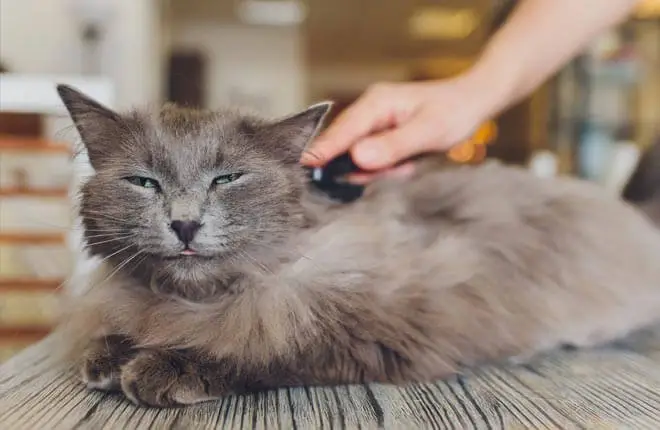
A: Start with short brushing sessions and reward with treats. Choose soft combs and avoid sensitive areas. Let your cat get used to the process gradually.
Q: Can I apply over-the-counter medicine on local bald and red skin?
A: Not advised. Medications for fungi, mites, allergies and wounds are totally different. Improper use will mask symptoms and worsen infection. Visit a vet for professional skin tests and targeted treatment.