Why Does Your Cat Suddenly Attack You? 5 Common Causes & Safe Correction Methods

Many cat owners have experienced a confusing situation: an ordinarily gentle and affectionate cat may suddenly pounce, bite or scratch without warning. Most people mistakenly believe cats turn mean or bear grudges. In fact, feline aggressive behavior is rarely malicious. It is usually triggered by natural instincts, physical pain, fear, stress or territorial awareness. Yelling, hitting or punishment will only make cats more defensive and rebellious, worsening aggression over time. Combining pet behavioral science and veterinary experience, this article explains the five main causes of sudden cat attacks. We also share gentle, practical and safe training solutions to help you understand your cat’s emotions and build a harmonious human-cat relationship.
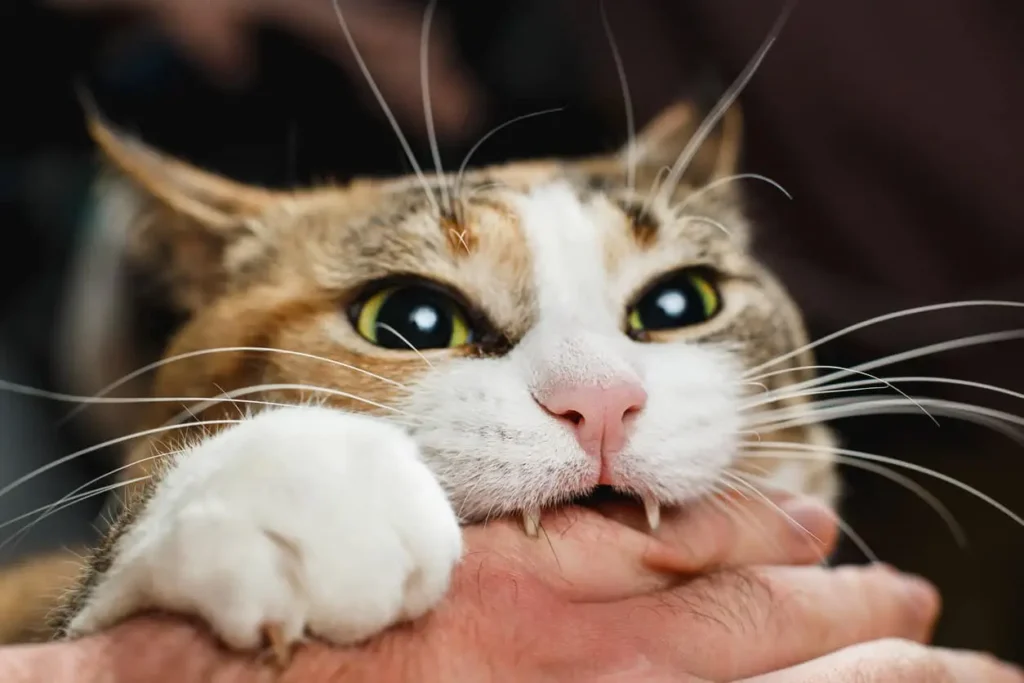
1. Are All Cat Bites and Scratches Acts of Malicious Aggression?
It is vital to distinguish playful interaction from real aggressive behavior. Kittens and young cats often deliver soft bites and gentle scratches. Their ears face forward, tails stay relaxed and bodies look loose, which is simply instinctive hunting practice with no harmful intent.
True defensive or hostile aggression shows obvious warning signs: flattened ears, raised fur, rapidly swishing tails, growling and hissing. Cats bite and scratch hard enough to break skin and refuse to back off. This type of behavior stems from fear, pain, irritation or invaded territory and requires timely intervention.
2. Common Mistakes When Correcting Cat Aggressive Behavior
Many owners’ improper reactions make the problem worse. Screaming or overreacting when bitten encourages cats to treat biting as a fun game. Hitting, scolding or physical punishment breaks trust and provokes counterattacks. Playing directly with hands and feet confuses cats into thinking human limbs are toys. Neglecting mild biting allows bad habits to grow serious over time. Giving cats the silent treatment or isolation after being attacked increases their anxiety. Forcing cuddles and petting when cats resist frequently triggers defensive strikes.
3. Negative Consequences of Ignoring Cat Biting and Scratching
Uncorrected biting and scratching leads to long-term behavioral issues. Cats will learn that aggression is a way to communicate demands and control interactions. Habits formed in kittenhood become more dangerous in adulthood, causing skin wounds, bleeding and bacterial infections. Constant conflicts destroy the bond between cats and owners, making felines suspicious, guarded and withdrawn. Persistent stress also results in over-grooming, inappropriate urination and loss of appetite. In severe cases, cats may attack all family members including children and the elderly.
4. Quick Tips to Stop Cat Attacks at Home
When your cat raises fur, growls and prepares to pounce, stay completely still and pull your hands away. Avoid sudden movements that may frighten the cat further. Step back slowly sideways to leave enough personal space and avoid direct confrontation. Keep the area quiet and remove extra distractions. Toss a toy far away to divert the cat’s attention and break the aggressive state. Do not comfort or reward your cat with treats immediately after the incident, as this may reinforce bad behavior. Resume normal interaction only after the cat fully calms down.
5. The Connection Between Aggression and Cat Age & Physical Condition
Kittens aged 3 months to 1 year go through teething and have strong hunting instincts. Most of their biting is playful, and this is the best period for behavior correction. Adult cats from 1 to 7 years old have stable personalities. Sudden aggression is usually caused by environmental stress, emotional distress or physical illness. Senior cats over 7 years old suffer from weakened senses, joint pain and organ diseases. They are easily startled when touched and mostly act out of self-defense. Overweight and inactive cats have excess energy and easily become irritable, leading to higher aggression risks.
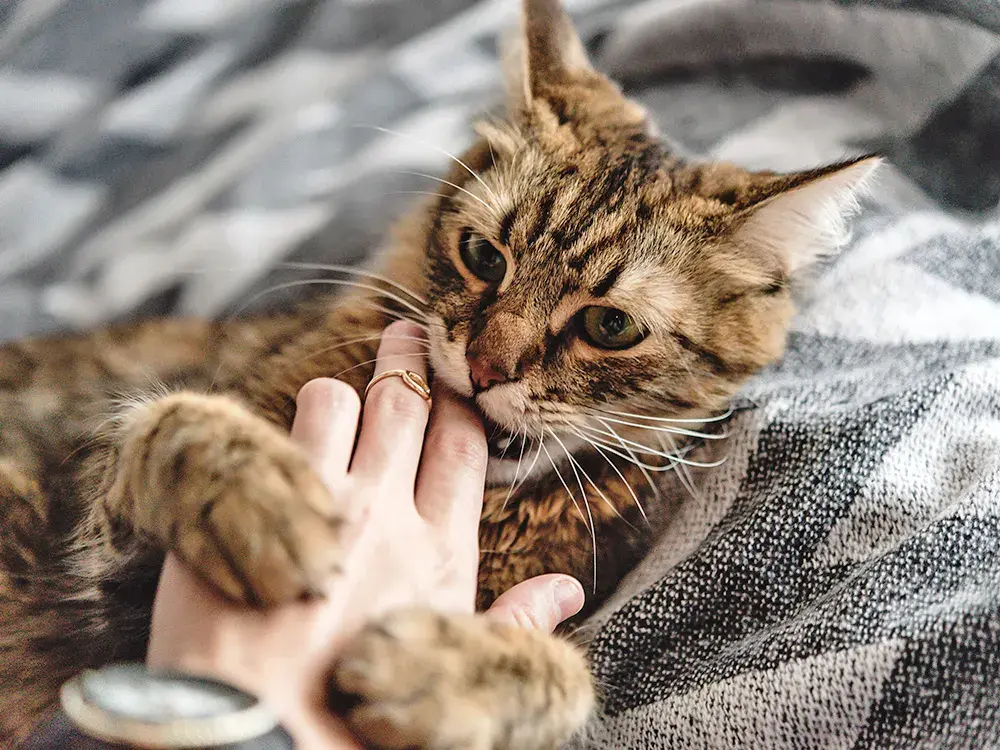
6. Temperament and Aggression Differences Among Cat Breeds
Energetic breeds such as Siamese cats, Bengals and American Shorthairs have strong hunting drives and tend to play-bite more often. Independent breeds like British Shorthairs stay calm most of the time but may fight back when disturbed during rest or alone time. Gentle long-haired breeds including Ragdolls and Persians rarely launch active attacks and only defend themselves when threatened. Domestic mixed cats are highly alert and territorial, showing more hostility in unfamiliar surroundings. Timid and sensitive breeds tend to panic easily and respond with defensive biting and scratching at the slightest stimulus.
7. How Seasonal and Environmental Changes Affect Cat Mood
Cats become moody and irritable during spring mating season due to hormone fluctuations, leading to more unprovoked growling and pouncing. Hot summer weather reduces cats’ patience, and minor disturbances can trigger resistance. Drastic temperature changes and varying daylight hours in autumn and winter disrupt their biological clocks and cause emotional instability. In addition, moving home, rearranging furniture, new appliances, frequent guests and continuous loud noises make cats feel unsafe, nervous and prone to sudden attacks.
8. Special Notes for Multi-Cat Households With Aggressive Cats
In multi-cat homes, cats often compete for status, food and territory. Vulnerable felines stay under long-term mental pressure and may release stress by attacking their owners. Negative emotions from fights between cats can spread and make the whole group bad-tempered. Provide separate food bowls, litter boxes and sleeping beds for every cat to reduce competition. Divide independent activity zones to avoid disturbance. Spend one-on-one time with each cat to relieve anxiety caused by group competition. If one cat acts aggressively frequently, observe its physical and emotional conditions separately.
9. 5 Main Causes of Sudden Cat Attacks & Complete Safe Correction Solutions
5 Common Reasons Why Cats Suddenly Attack Owners
1.Triggered Hunting Instinct (Play Aggression) This is the most widespread cause. Moving hands and feet look like prey to cats with innate hunting instincts. Lack of daily exercise and long hours of napping build up surplus energy, so cats pounce and scratch to release vitality. This behavior is common among kittens and young cats and has no real malicious intent.
2.Self-Defense From Physical Pain Cats have strong pain tolerance and rarely show obvious discomfort when suffering from stomatitis, arthritis, skin diseases or digestive issues. They will attack instantly out of instinct if you accidentally touch sore areas. These seemingly unprovoked strikes are actually distress signals from sick bodies.
3.Defensive Aggression Caused by Fear and Stress Sudden loud sounds, strangers, baths, parasite treatments or forced restraint put cats into extreme fear. To protect themselves, they choose to attack first. Typical signs include hissing, raised fur and fast swiping, which are clear stress responses.
4.Rebellion From Invaded Personal Boundaries Every cat needs private space. Constantly disturbing their sleep, prolonged forced petting, or touching sensitive areas such as tails and bellies push cats to their limits. They use attacks to clearly express discomfort and refusal.
5.Emotional Stress and Territorial Anxiety Long hours of solitude, monotonous daily life, new family members or newly added pets make cats accumulate negative emotions. Some cats cannot relieve pressure on their own and vent irritability through attacking their owners.
Full Set of Safe & Gentle Correction Methods
1.Never Use Hands or Feet as Toys Interact with cats exclusively using feather wands, laser pointers and plush toys. Help cats form a clear rule: only toys are for pouncing and biting, while human hands are for feeding and gentle petting. This eliminates biting habits from the root.
2.Burn Off Excess Energy Every Day Arrange 2 to 3 intense play sessions daily, around 15 minutes each, to simulate hunting and running activities. Serve food right after play to complete the natural hunting routine. Tired cats stay calm and quiet, and sudden attacks will decrease significantly.
3.Use Time-Out to Set Behavioral Rules Immediately stop all interaction and walk away silently once biting or scratching occurs. Do not shout or punish. Cats will learn that aggression ends fun and companionship, while good behavior earns playtime and treats. Apply positive reinforcement consistently.
4.Read Body Language and Respect Boundaries Watch for warning signs: flattened ears, fast tail movements, tense bodies and dilated pupils mean the cat is annoyed. Stop petting or holding at once and keep a proper distance. Avoid waking sleeping cats and touching sensitive body parts to reduce defensive attacks.
5.Full Health Check for Hidden Illnesses For adult and senior cats with newly developed aggressive behavior, take them to the vet for a complete checkup covering joints, mouth, skin and internal organs. Resolve physical discomfort first before adjusting behavioral habits for long-term improvement.
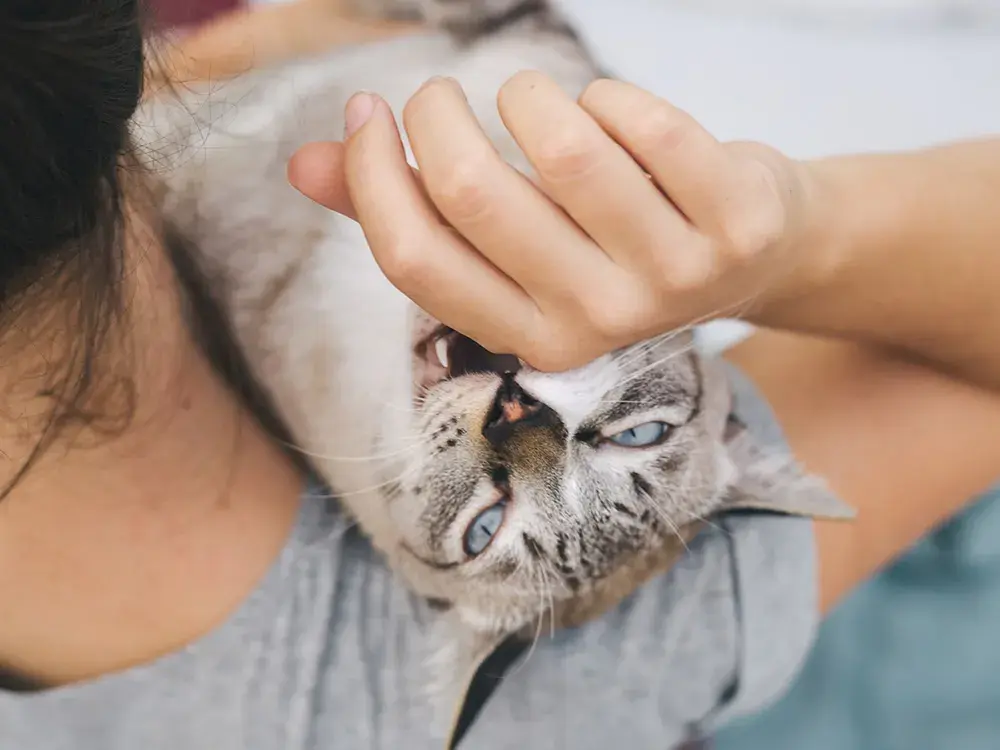
10. Frequently Asked Questions About Cat Biting and Scratching
Q: Should I correct gentle playful biting from kittens?
A: Yes. Soft bites are the start of bad habits. Without correction, cats will gradually bite harder and cause injuries when they grow up. Setting rules early is essential.
Q: Can locking cats up stop aggressive behavior?
A: Not recommended. Confinement is a form of punishment that increases fear and resentment. It may seem effective temporarily but leads to repeated aggression later.
Q: How to soothe irritable and aggressive cats during mating season?
A: Minimize disturbance, keep the home quiet and offer more toys to distract them. If you have no breeding plans, consult your veterinarian about neutering, which can fundamentally relieve hormone-driven bad tempers.