Why Does Your Cat Keep Rubbing Against Furniture & Walls? Full Behavior Guide

Many cat owners notice their pets constantly rub their heads, cheeks and bodies against furniture, walls, door frames and corners. Most people think this is just playful scratching or random movement, but this common action carries rich behavioral meanings. Cats use rubbing to leave scent marks, express emotions, meet physical needs and communicate socially. Ignoring excessive rubbing may make you miss early warning signs of health issues. Combining feline behavioral science and veterinary knowledge, this guide explains all possible reasons behind the behavior, distinguishes normal habits from abnormal symptoms, and shares practical observation, care and training tips to help you understand your cat better.
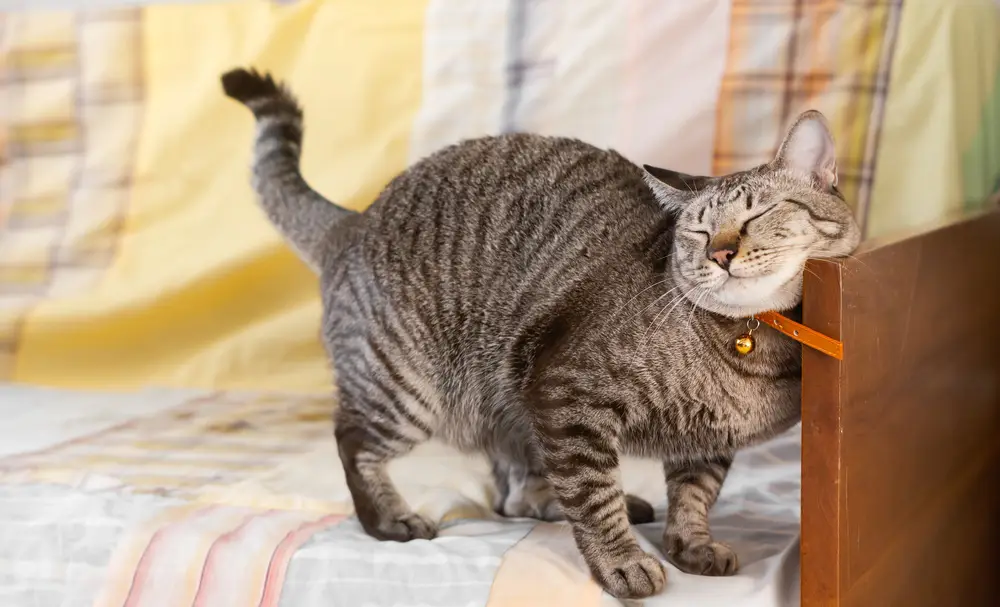
1. Is Rubbing Against Furniture and Walls Always Normal for Cats?
First, tell the difference between natural instincts and abnormal behavior. Healthy cats occasionally rub surfaces gently with relaxed body language. This is for scent marking, stretching or mild itching, which is a completely innate habit.
However, if your cat rubs frantically all day long, presses its body hard against walls and corners, and accompanies the action with frequent scratching, head shaking, restlessness or loss of appetite, this is not normal behavior. Excessive rubbing is usually triggered by itchy skin, ear infections, physical pain or severe anxiety, which requires timely checkups and intervention.
2. Common Mistakes When Dealing With Excessive Cat Rubbing
Many owners take improper approaches out of misunderstanding. Shouting or driving cats away harshly will raise their stress level and worsen anxiety-driven rubbing. Applying human anti-itch creams or grooming products on irritated areas easily causes skin allergies. Frequently wiping off cat scent on furniture and walls disrupts their territorial marks, making them rub repeatedly to re-establish scent. Leaving cats to rub against sharp edges without protection may lead to skin cuts. Neglecting frequent head rubbing and ear scratching delays treatment for ear and skin conditions, turning minor issues into chronic illnesses.
3. Potential Problems Caused by Ignoring Abnormal Rubbing
If rubbing results from mites, fungi or skin irritation, continuous friction will damage the outer skin, causing redness, wounds and secondary bacterial infections. Untreated ear problems may develop into otitis media, impairing hearing and leading to head tilting and lethargy. Anxiety-induced over-rubbing indicates long-term insecurity, which gradually causes inappropriate urination, excessive grooming and hiding. In addition, constant friction against hard surfaces and sharp corners scratches fur and skin, resulting in local hair loss and physical injuries.
4. Easy Home Tips to Reduce Over-Rubbing
When your cat keeps rubbing walls or furniture, distract it gently with toys or treats and guide it away instead of pulling forcefully. Place soft scratching posts and cushions in favorite rubbing spots to replace hard surfaces and prevent injuries. Keep the home quiet and stable to relieve tension. Clean floors and corners regularly to reduce dust, mites and mold. Pet your cat’s head and cheeks softly to satisfy its need for affection and scent marking.
5. Links Between Rubbing Behavior and Cat Age & Body Type
Kittens aged 3 months to 1 year are curious and energetic. They rub objects mainly for playing, exploring and learning territorial marking, which is mostly normal. Adult cats aged 1 to 7 years follow regular daily routines. Sudden frequent rubbing usually signals environmental changes or mild physical discomfort. Senior cats over 7 years old have weakened senses, stiff joints, dry itchy skin and possible cognitive decline, so they tend to rub surfaces unconsciously more often. Overweight and inactive cats have unbalanced skin oil and more skin folds, making them more prone to itching and frequent rubbing.
6. Differences in Rubbing Habits Among Various Cat Breeds
Short-haired breeds such as British Shorthairs, American Shorthairs and Siamese cats have exposed skin that is more sensitive to external irritation. They rub surfaces more often for itch relief and territorial marking. Long-haired breeds including Ragdolls, Persians and Chinchillas have thick fur that protects the skin, so they rub slowly in fixed areas mainly to leave scents. Hairless cats have extremely delicate skin and are highly sensitive to dust and friction, leading to a higher risk of abnormal rubbing. Affectionate and clingy breeds prefer rubbing owners and furniture to show attachment, while independent breeds tend to choose quiet corners for rubbing with less interaction.
7. How Seasonal & Environmental Changes Affect Cat Rubbing
Warm and humid spring and summer create ideal conditions for mites, fungi and insects. Skin and ear irritation become common, so cats rub walls and furniture much more frequently. Seasonal shedding accelerates skin metabolism and dry itchiness, also increasing rubbing behavior. Dry autumn air causes dehydrated and flaky skin, worsening discomfort. Closed rooms with poor ventilation in winter accumulate dust and mold that irritate the skin. Moving house, rearranging furniture or adding new items disrupt existing scent territories, prompting cats to re-mark every corner by rubbing repeatedly.
8. Key Notes for Multi-Cat Households With Group Rubbing Behavior
Cats easily imitate each other’s actions, so one cat’s frequent rubbing will soon be followed by others. They also rub extensively to claim territory during resource competition. Provide separate beds and resting zones for each cat to reduce excessive marking caused by territorial conflicts. Isolate any cat showing abnormal rubbing due to skin or ear diseases to prevent cross-infection of parasites and fungi. Clean all corners and hidden areas thoroughly on a regular basis. Spend one-on-one time with timid or vulnerable cats to ease stress-related rubbing.
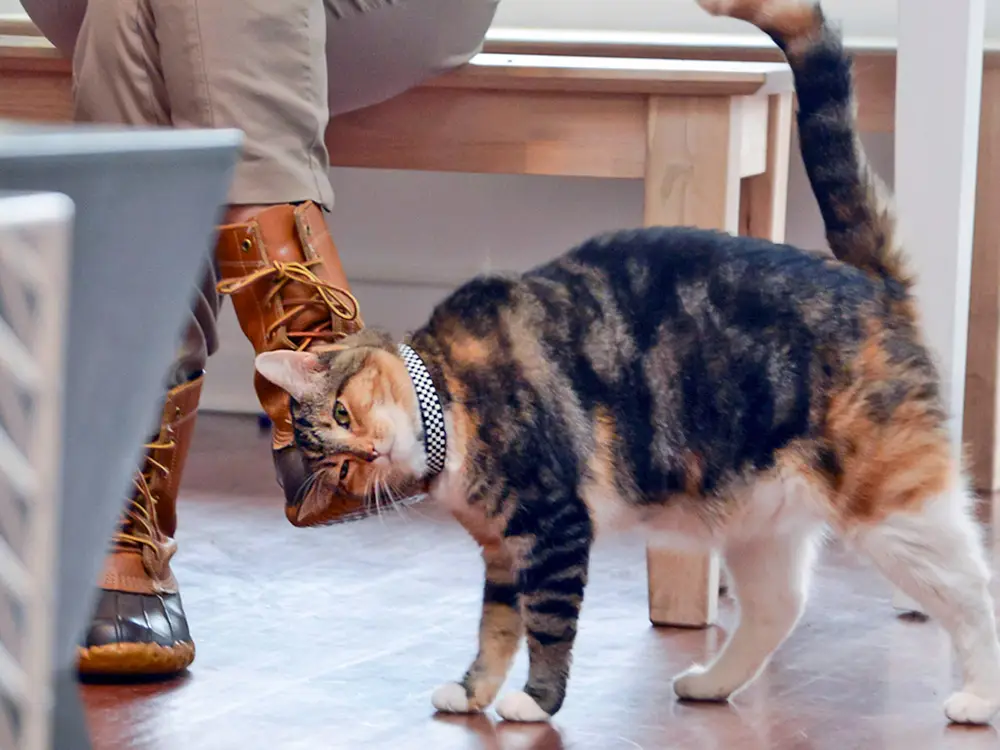
9. Full Analysis: Meanings of Cat Rubbing & Corresponding Solutions
Main Behavioral Meanings of Cats Rubbing Furniture & Walls
1. Normal Physical & Social Behaviors (No Intervention Needed)
- Scent marking and territory claiming Cats have scent glands on their cheeks, chin and body sides. Rubbing leaves their unique smell to declare “this place belongs to me”. Familiar scents also greatly boost their sense of security and make them feel relaxed at home.
- Stretching and relaxing muscles After long hours of resting or sleeping, cats rub against hard surfaces to stretch their backs and limbs, just like humans stretching to relieve muscle stiffness.
- Showing affection and trust If your cat often rubs sofas and seats you frequently use, it expresses fondness, trust and attachment toward you.
2. Abnormal Rubbing Caused by Physical Discomfort (Requires Checkups & Care)
- Itchy skin and external parasites Fleas, mites, fungi and dandruff cause persistent itchiness. Rubbing against hard surfaces brings temporary relief. Related signs include frequent scratching, fur biting and excessive shedding.
- Ear discomfort from ear mites or otitis Cats rub their heads and cheeks against corners constantly, accompanied by head shaking, ear scratching, dark dirty discharge and unpleasant odor inside ears. This is typical of ear mites or ear inflammation.
- Oral or facial pain Stomatitis, dental issues and facial skin problems make cats rub their cheeks and chin to ease pain. You may notice excessive drooling, hesitation while eating and low energy.
3. Rubbing Triggered by Anxiety & Insecurity (Behavioral Issues)
Sudden loud noises, strangers, long-time solitude or frightening incidents leave cats nervous. They rub repeatedly to spread familiar scents and calm themselves down. These cats usually hide in corners, stay inactive and have irregular routines.
Targeted Handling & Guidance Methods
- Normal marking or stretching behavior Let your cat behave naturally. Do not frequently wipe off its scent. Place scratching posts around the house to meet daily activity needs.
- Itchy skin and external parasites Stick to monthly external deworming. Clean living areas regularly and sun-dry cat beds and cushions. See a vet for skin tests if red spots, dandruff or bald patches appear, and use medicated sprays or baths as directed. Keep fur trimmed short to maintain dry skin.
- Ear problems, mites and inflammation Check cat ears daily. Clean dirt gently with pet ear cleaner. Complete the full medication course for diagnosed infections. Avoid letting cats rub hard surfaces to prevent further irritation.
- Oral and facial pain Observe eating habits and oral conditions. Seek veterinary treatment immediately for swollen gums, bad breath or drooling. Replace hard rubbing surfaces with soft fabrics to reduce friction.
- Over-rubbing due to anxiety Keep home layout and environment stable. Reduce noise and visitor disturbance. Increase daily play and companionship, and add cat trees and hiding boxes to enrich living space. Use vet-recommended calming products for severe anxiety.
10. Frequently Asked Questions About Cat Rubbing Behavior
Q: Does my cat rub corners because of special smells there?
A: Partially yes. Corners gather dust, moisture and small insects that attract cats. They are also favorite spots for scent marking. If your cat also shakes its head and scratches ears frequently, watch out for ear mites.
Q: Will frequently removing cat scent on furniture affect it?
A: Yes. Constant cleaning erases familiar smells and makes cats feel unsafe, so they will keep rubbing to re-mark. Do regular cleaning instead of wiping their favorite rubbing areas deliberately.
Q: Will kittens stop rubbing everywhere as they grow older?
A: Rubbing for playing and territory marking will gradually become less frequent and regular in adulthood. However, rubbing caused by skin issues, ear problems or anxiety will continue if left untreated.