Why Does Your Cat Suddenly Hide in Corners? Early Signs of Stress & Pain

Many cat owners notice their normally friendly cats suddenly retreat to hidden spots such as under sofas, inside cabinets or beneath beds and refuse to come out or interact. Some people assume cats just want alone time or are being moody. In fact, hiding is a crucial signal that cats use to express emotional distress or physical discomfort. This behavior mainly falls into three categories: environmental stress, physical pain and natural personality traits. If ignored, mild anxiety can develop into severe stress, and underlying illnesses will continue to worsen.
Combining feline behavioral science and veterinary expertise, this article analyzes all possible reasons for sudden hiding. We distinguish normal resting behavior from stress responses and health issues, and share practical tips for observation, soothing, care and guidance. Learn to read your cat’s hidden feelings and protect its physical and mental well-being in a timely manner.
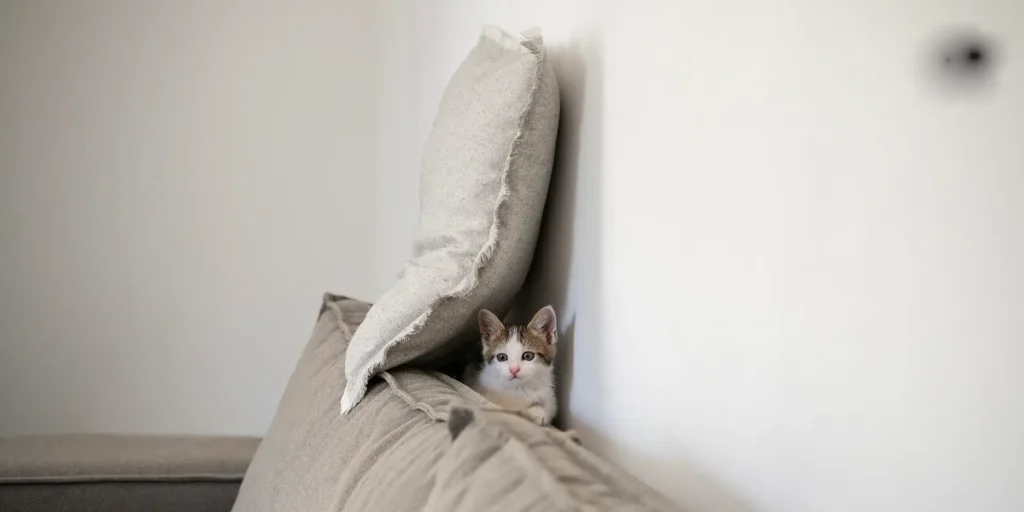
1. Does Hiding Always Mean Your Cat Is Unwell?
First, tell the difference between normal habits and abnormal behavior. Cats naturally favor small enclosed spaces. If your cat occasionally hides to rest and nap with a relaxed posture, ears in a neutral position and responds to your call normally, it simply enjoys private time. This is completely natural and requires no intervention.
However, if your cat curls up in a corner for hours, actively avoids people, refuses food and water, and shows tense body posture, flattened ears, tucked tail and low energy, this is not ordinary resting. Such unusual hiding is mostly triggered by external stress, physical pain or fear. It serves as an early warning of emotional breakdown or illness, which deserves your immediate attention.
2. Common Mistakes When Dealing With a Hiding Cat
Many owners take improper actions that make the situation worse. Pulling, grabbing or calling loudly to force the cat out increases fear and defensiveness. Crowding around the hiding spot to watch, take photos or tease keeps the cat in a constant state of tension. Treating hiding as bad temper and punishing the cat by withholding food further destroys its sense of security.
Some owners only label the cat as timid while ignoring red flags such as loss of appetite, stiff movement and lethargy, leading to delayed medical treatment. Blocking all hidden corners deprives cats of safe zones and aggravates anxiety. In multi-cat homes, failure to stop chasing and conflicts forces vulnerable cats to hide constantly and suffer long-term mental pressure.
3. Negative Impacts of Long-Term Persistent Hiding
If hiding results from stress, prolonged fear and tension will cause decreased appetite and disrupted sleep. The cat’s immune system weakens, making it prone to colds, skin problems and gastrointestinal disorders. It may also develop behavioral issues including over-grooming, inappropriate urination and increased aggression.
When hiding is caused by physical pain, untreated conditions will gradually develop into chronic diseases. Minor injuries, joint problems and internal organ disorders will deteriorate and even become life-threatening. Cats that stay isolated for a long time will grow extremely withdrawn and lose the willingness to interact. Trust between cats and owners will be hard to rebuild. Additionally, staying in dark and damp corners exposes their fur to dirt, mites and further skin problems.
4. Easy Home Tips to Calm and Guide a Hiding Cat
Keep a proper distance and do not approach or touch the cat. Create a quiet environment by turning down loud noises and talking softly. Place fresh water, cat food or treats outside the corner instead of pushing them directly toward the cat. Dim the lights and avoid strong glare to reduce visual stimulation.
Wait patiently until the cat calms down. Speak gently and move slowly when it pokes its head out, and refrain from sudden petting. Record how long the cat stays hidden, its eating habits and body language to help identify the root cause later.
5. The Connection Between Hiding Behavior and Cat Age & Body Condition
Kittens aged 3 months to 1 year are unfamiliar with surroundings and easily frightened. Hiding after being scared is common, and they usually recover quickly after comfort. They also love exploring corners for fun, which is normal playful behavior.
Adult cats aged 1 to 7 years have stable daily routines. Sudden long-term hiding is most likely caused by stress or unexpected physical pain and needs thorough checks. Senior cats over 7 years old experience declining senses, stiff joints and weakened organ functions. They tend to hide for relief from persistent discomfort. Their recovery is slower and relapses happen more often.
Overweight cats move clumsily and suffer heavier joint pressure. They are more likely to hide due to physical discomfort. Various internal diseases linked to obesity also lead to abnormal hiding behavior.

6. Breed Differences in Solitude Habits and Hiding Patterns
Naturally timid breeds such as Siamese, Devon Rex and many domestic mixed cats tend to hide easily at the slightest disturbance. Gentle and affectionate long-haired breeds like Ragdolls and Persians rarely hide without reason. If they stay secluded for a long time, they are likely suffering from illness or severe stress.
British Shorthairs and American Shorthairs are calm and independent. Short periods of hiding for rest are nothing to worry about. Energetic breeds such as Bengals seldom stay hidden normally, so unusual hiding strongly indicates health issues. Breeds prone to joint problems like Scottish Folds often hide to rest and relieve pain and require extra care.
7. How Seasonal and Environmental Changes Affect Cat Hiding Behavior
Fluctuating temperatures in spring and autumn cause physical soreness, colds and low immunity, so cats seek warm corners to rest. More dust and insects during transitional seasons also make shy cats hide more frequently.
In hot summer, cats stay in cool corners to escape heat, which is normal. However, thunderstorms and loud lightning create severe stress and make cats hide desperately. In cold winter, cats curl up in sheltered warm areas. Drafts and constant noise will also increase hiding frequency.
Furthermore, moving home, renovation, new furniture, guests, new pets and changed grooming products all break cats’ sense of security and lead to continuous hiding.
8. Key Notes for Multi-Cat Households With Cats Hiding Together
Hierarchy struggles and chasing fights are common among multiple cats. Vulnerable members are often forced to hide and endure long-term stress. If all cats hide at the same time, there is usually a shared trigger such as loud noise, strangers or strange odors.
Do not drive hiding cats away. Set up separate activity areas and add multiple cat beds and hiding boxes to ensure every cat has its own safe space. Place food bowls and litter boxes apart to reduce resource competition. Stop excessive chasing and confrontations between cats. If several cats appear lethargic and refuse food, check for potential group health problems immediately.
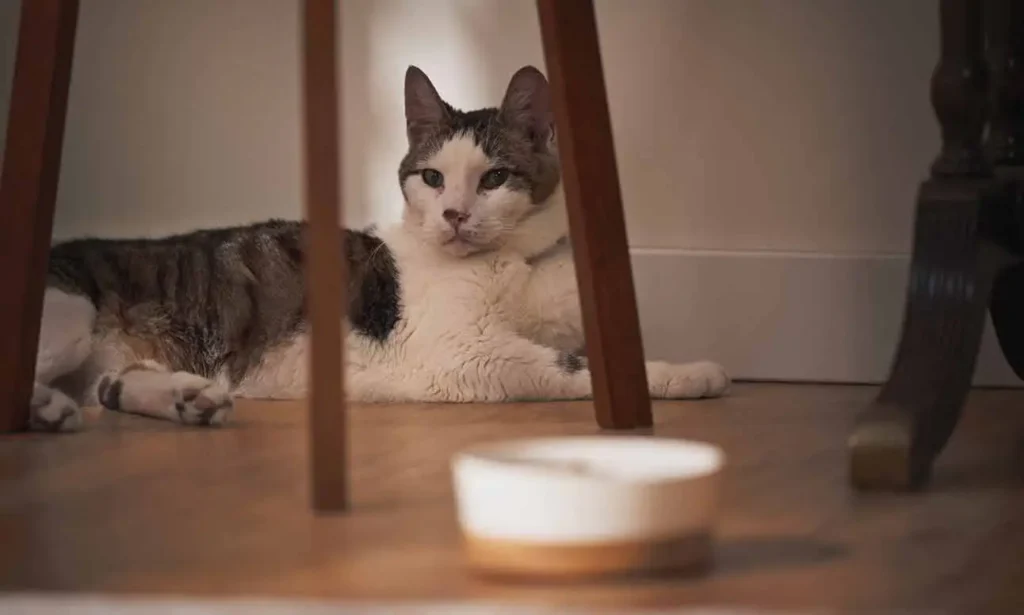
9. Full Analysis: Causes & Complete Solutions for Sudden Hiding
Three Main Causes of Abnormal Hiding
1. Normal Habit: Voluntary Solitude (No Intervention Needed)
Cats prefer quiet environments. Small hidden spaces bring them a sense of safety. If a cat only hides occasionally to nap with relaxed body language, responds to calls and maintains regular eating and playing habits, it is simply enjoying private time. Do not disturb it.
2. Fear & Stress: Hiding Triggered by External Stimuli (Behavioral Issue)
This is the most common cause of unusual hiding. Loud sounds, unfamiliar guests, bathing, parasite treatment, moving, renovation, new pets and forced cuddling can destroy a cat’s sense of security.
Typical signs: Crouching still for a long time, flattened ears, body trembling, hissing and raised fur, loss of appetite with no visible wounds or limping.
3. Physical Pain: Hiding Due to Illness or Injury (Critical Health Warning)
Cats have high pain tolerance. When suffering from injuries, inflammation or internal disorders, they instinctively hide in quiet corners to limit movement and save energy for self-protection.
Typical signs: Reluctance to stand up, limping, stiff movements, flinching or growling when touched. Accompanied by lethargy, loss of appetite, vomiting, diarrhea, bad breath and abnormal urination. Senior cats, overweight cats and joint-prone breeds are at higher risk.
Other Triggers
Cats in heat often feel restless and tend to hide and howl. Some cats also retreat temporarily to calm down after being scolded or frightened.
Targeted Handling & Guidance Solutions
Case 1: Normal Solitude
Respect your cat’s nature. Keep several safe corners and hiding spots available and never block them. Maintain a quiet living environment and provide food and water regularly. Interact as usual.
Case 2: Hiding Caused by Fear and Stress
- Remove stress sources immediately: turn off noisy devices, ask guests to leave and pause renovation work.
- Keep lights soft and the room quiet. Do not surround, call or drag the cat out.
- Place food and treats nearby and wait for the cat to relax voluntarily. Avoid over-interaction even after it comes out.
- Long-term prevention: Equip the home with hiding boxes and cat trees. Minimize major environmental changes. Use sound insulation and calming products recommended by vets for severe stress.
Case 3: Hiding Caused by Pain or Illness
- Basic home check: Gently touch the cat’s body to look for wounds, lumps or swollen joints. Observe its walking, eating, defecation and urination conditions.
- Seek veterinary care right away if you notice limping, sensitivity to touch, vomiting, diarrhea or complete loss of appetite. Check for joint diseases, internal inflammation, injuries or infections.
- Post-treatment care: Reserve a quiet corner for recovery. Provide fresh water and mild food, and reduce disturbances.
Case 4: Hiding and Restlessness During Heat
Schedule neutering surgery when the cat is in good health to resolve hormonal issues fundamentally. Reduce disturbances, add more toys to distract it and create a comfortable living space.
General Prevention Tips
Reserve 1 or 2 permanent safe corners at home. Avoid frequent relocations and unnecessary outings. Interact gently and never scare the cat. Control your cat’s weight and arrange regular health checkups to prevent age-related joint and organ diseases. In multi-cat households, ease conflicts and stop bullying between cats.
10. Frequently Asked Questions About Cat Hiding Behavior
Q: My cat likes staying under the bed every day. Does it mean it is too timid?
A: Not necessarily. Dark hidden spaces under beds make cats feel secure. As long as it eats, plays and interacts normally, it is just a favorite resting spot and no correction is needed.
Q: My cat hides all day and refuses food. Is it only feeling scared?
A: Not exactly. Pure stress rarely leads to complete refusal to eat. If your cat goes without food for over 24 hours and acts lethargic, it most likely has health problems and needs a vet visit.
Q: Should I block all corners to stop my cat from hiding?
A: Not recommended. Hidden spaces act as emotional shelters for cats. Blocking all corners will make them feel permanently unsafe and worsen anxiety.
Q: Do I need to comfort my cat actively after it hides due to scolding? A: Keep quiet company and leave food and water nearby instead of forced cuddling. Let it come out on its own before resuming normal interaction. Excessive comfort may reinforce negative emotions.
Q: Is frequent hiding in senior cats a normal sign of aging?
A: Partially yes, as elderly cats prefer quiet areas. However, sudden increased hiding, inactivity and stiff movements usually indicate joint pain or organ issues. Arrange regular senior cat checkups.