Is It Normal for Dogs to Eat Grass? 7 Possible Reasons Explained by Vets

A lot of dog owners see their furry friends nibbling on grass and plants during the walk. Some reckon it is just a natural habit with no harm, while others get worried mostly about pesticides, parasites or an underlying problem. Actually, eating grass can be good or bad. Just to let it happen or to stop it may both miss the point if a dog need a vet care.
Drawing on the knowledge of veterinary professionals, this post identifies the most frequent motivations for grass-eating in dogs. We differentiate instinctive behavior from dietary and medical disorders, and also point out common mistakes, health risks, ways to check at home and viable solutions. Perspective on this habit can be changed and at the same time dog welfare can be safeguarded.
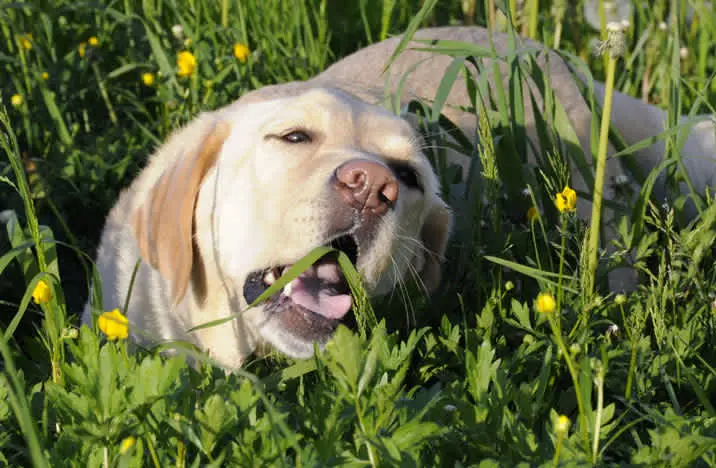
1. Does Occasional Grass-Eating Always Mean Your Dog Is Sick?
First, tell normal behavior apart from abnormal signs. If a healthy dog eats a small amount of grass occasionally, acts relaxed afterward, with no vomiting, diarrhea, lethargy or changes in appetite and activity, this is natural instinct or taste preference and requires no worry.
If your dog actively searches for grass, swallows large quantities constantly, vomits, retches, has loose stools, loses appetite or nibbles on indoor potted plants, this is abnormal behavior. It may indicate upset stomach, nutritional imbalance, anxiety or other problems that need prompt attention.
2.Common Mistakes When Dealing With Dogs Eating Grass
Several dog parents fail to treat this problem in the right way. On the one hand, some do not pay any attention to the activity, not thinking of any pesticides, herbicides, parasite eggs and hidden gastrointestinal problems on wild grass. On the other hand, some raise their voices or pull the dog away sharply, which leads to stress and the dog eating the grass still secretly the next time.
Some people think eating grass is just due to a lack of trace elements and give too many supplements without changing the main diet, so the problem still happens. Some just give anti-vomiting medicine when the dog throws up, without trying to find the real reason. Besides, many families put toxic houseplants where dogs can get to them, only realizing the danger of grass outside and not thinking of the very dangerous indoor plants.
3. Health & Safety Risks of Excessive Grass Consumption
Outdoor grass carries major hazards. Pesticides, herbicides and insecticides on roadside grass can cause poisoning, leading to excessive drooling, convulsions, vomiting and diarrhea. Parasites, eggs and bacteria in grass may trigger internal parasitic infections and gastroenteritis.
Large amounts of coarse grass overburden the digestive system, irritate the stomach lining and cause frequent vomiting, acid reflux and loose stools, eventually leading to chronic digestive disorders. Worse still, eating toxic houseplants such as pothos, lilies, daffodils and dieffenbachia can damage the mouth, digestive tract and kidneys, and may be fatal in severe cases.
If frequent grass-eating is caused by malnutrition or chronic stomach issues, long-term neglect will lead to weight loss and low immunity. Anxiety-driven grass-eating will also worsen negative emotions and cause secondary bad habits like excessive barking and destructive chewing.
4.Quick Home Checks & Simple Redirection Tips
Always keep your dog on a leash when you take it for a walk. If it starts eating grass, give it a treat or a toy or talk to it and then gently lead it away. Do not yank. After the incident, check your dog for signs of vomiting, diarrhea, or lethargy for 12 to 24 hours.
Put all pot plants that are toxic to dogs on high shelves or closed areas where your dog cannot get to them. You can get a small wheatgrass plant that is safe for your dog to chew on indoors. Keep an eye on your dog’s eating habits, the quality of its stools and how much water it drinks to distinguish between behavior problems and illnesses.
Don’t take your dog for a walk in heavily wooded areas or places recently sprayed with chemicals. If your dog vomits after eating grass, give it one meal less and make sure it drinks a lot of fresh water to calm its stomach.
5. Grass-Eating Habits Linked to Dog Age & Body Condition
Puppies aged 3 months to 1 year are extremely curious. They love chewing grass, dirt and branches mostly for exploration and fun. Their delicate stomachs make them more prone to vomiting and diarrhea after eating grass, so close supervision is necessary.
Adult dogs from 1 to 7 years old with stable health usually eat grass out of natural preference. Frequent grass-eating is common among picky eaters, dogs with monotonous diets and inactive pets. Underweight and malnourished dogs crave grass more often to gain vitamins and fiber.
Senior dogs over 7 years old have slower digestion and intestinal motility. They tend to eat grass on purpose to relieve bloating, nausea and constipation. With weaker immunity, senior dogs face much higher risks of poisoning and illness from chemically treated grass.
Overweight dogs usually eat rich food and lack exercise. Indigestion and stomach stagnation are common, so they also turn to grass for relief.
6. Breed Differences in Grass-Eating Tendencies
Large and working breeds such as Golden Retrievers, Labrador Retrievers, German Shepherds and Border Collies have high activity levels and strong curiosity. They frequently eat grass for entertainment, especially after eating heavy meals to ease bloating.
Medium companion breeds including Corgis, French Bulldogs and Shiba Inus generally have sensitive stomachs. They often eat grass to induce vomiting when feeling nauseous or gassy. Brachycephalic breeds have weaker digestion and are more likely to vomit after eating large amounts of grass.
Small breeds like Poodles, Bichon Frises and Chihuahuas have small, fragile stomachs and rarely eat large quantities of grass. Frequent plant-chewing in small dogs usually points to nutritional imbalance or separation anxiety.
Breeds with a strong sense of smell are easily attracted by grass aroma and texture, while lazy, less active dogs show less interest in grass.
7. How Seasonal & Environmental Changes Affect This Behavior
In spring, fresh, tender grass grows everywhere with strong scents, making this the peak season for grass-eating. Meanwhile, active insects and parasites increase the risk of infection.
Hot summer weather causes dry mouth, internal heat and indigestion in dogs. Lush grass leads to more grass-eating behavior. Roads and gardens are sprayed with pesticides frequently in summer, creating the highest chemical hazard risk.
Dry autumn air causes dehydration and constipation. Dogs eat grass to get extra fiber and boost bowel movements. Dry, tough fallen grass may scratch the mouth and intestinal lining.
Grass withers in winter, so outdoor grass-eating decreases obviously. Many dogs turn to indoor potted plants instead, raising the risk of poisoning from houseplants.
In addition, environmental changes such as moving, long hours alone, frequent guests and loud noise trigger anxiety. Dogs use grass-chewing as a way to relieve stress, making the habit suddenly worse.
8. How to Manage Group Grass-Eating in Multi-Dog Households
Dogs learn behaviors from each other quickly. Once one dog starts eating grass outdoors, the rest will follow and form a group habit. Keep all dogs on leashes and redirect their attention to avoid gathering near grass areas.
If all dogs only taste grass occasionally with no discomfort afterward, it is just group play and natural preference. If multiple dogs repeatedly eat grass, vomit or have diarrhea, they may suffer from collective stomach issues or the local grass is contaminated with chemicals. Change walking routes immediately and adjust their diet together.
Separate all houseplants and keep them out of reach. Use individual food and water bowls to ensure balanced nutrition for every dog. Arrange regular internal and external parasite prevention for the whole pack to stop cross-infection from wild grass.
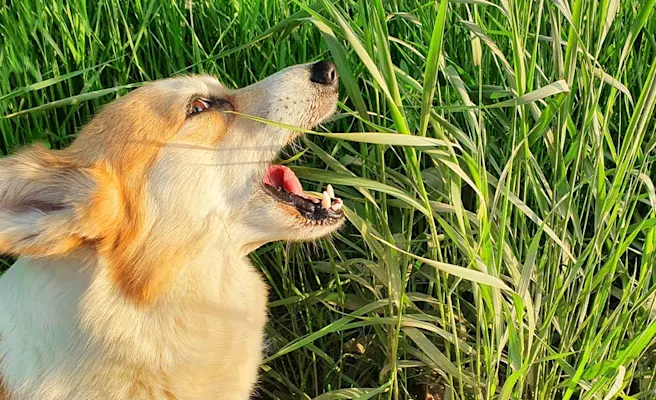
9. 7 Causes of Grass-Eating & Corresponding Solutions
Veterinarians summarize grass-eating into 7 main causes, covering natural instinct, stomach issues, nutrition, behavior and external influences. Below are detailed explanations and solutions.
Reason 1: Inherited Wild Instinct (Normal Behavior)
Dogs’ wild ancestors ate plants and berries to supplement food sources. This genetic instinct remains in domestic dogs. Most dogs simply enjoy the special texture and taste of grass. Solution: No strict restriction needed. Keep your dog leashed outdoors, avoid chemically treated grass and control intake.
Reason 2: Relieve Stomach Upset & Induce Vomiting (Natural Self-Protection)
This is the most common cause. When dogs ingest hair, foreign objects or spoiled food, or suffer from bloating and acid reflux, coarse grass fibers irritate the stomach and trigger vomiting to expel harmful contents. Grass also helps ease constipation by boosting intestinal movement. Typical signs: Vomiting soon after eating grass, bringing up undigested food or hair. Solution: Feed regular meals and avoid spoiled or greasy food. Offer hairball remedies regularly. If vomiting occurs frequently, visit a vet and use pet probiotics to restore gut health.
Reason 3: Supplement Fiber & Vitamins (Unbalanced Diet)
A diet consisting mainly of single dry kibble or meat lacks plant fiber, vitamins and minerals. Dogs will seek grass naturally to make up for nutrients. Typical signs: Searching for grass many times a day, dry stool and mild weight loss. Solution: Adjust the diet by adding cooked broccoli, carrots and pumpkin. Provide pet multivitamins to achieve balanced nutrition.
Reason 4: Pica Caused by Trace Element Deficiency (Pathological Issue)
Low-quality food or long-term monotonous meals lead to severe lack of minerals and trace elements, resulting in pica. Dogs with pica eat grass, dirt, wall plaster, paper and even feces. Typical signs: Obsessive grass-eating anywhere, poor coat condition and weight loss. Solution: Switch to high-quality dog food. Feed vet-recommended trace element supplements consistently. Supervise closely outdoors and correct abnormal eating habits long-term.
Reason 5: Boredom & Pastime (Behavioral Habit)
Insufficient exercise and company leave dogs with nothing to do during walks. Eating grass becomes a simple way to kill time. Typical signs: Casual grass-eating while walking, relaxed mood and no physical discomfort. Solution: Increase daily exercise and interactive play. Provide durable chew toys to burn extra energy. Engage with your dog more during walks to distract its attention.
Reason 6: Anxiety & Stress Relief (Mental Issue)
Long loneliness, environment changes, fright and lack of companionship cause anxiety. Repetitive chewing and eating grass have a calming effect for stressed dogs. Typical signs: More grass-eating when alone or in unfamiliar places, accompanied by trembling, barking or destructive behavior. Solution: Spend more time accompanying your dog and avoid leaving it isolated for too long. Keep the living environment stable. Use pet calming aids under veterinary guidance for severe anxiety.
Reason 7: Attracted by Scent & Texture (Taste Preference)
Some types of grass have a fresh aroma and crisp texture that appeal to dogs with sensitive noses. They only take a few bites without overeating. Solution: Guide gently outdoors. Avoid roadside wild grass. Grow safe wheatgrass at home to satisfy its chewing preference.
General Daily Prevention Plan
- Balanced diet: Choose premium dog food and add vegetables, probiotics, vitamins and trace elements regularly.
- Outdoor safety: Use a leash, stay away from grass sprayed with pesticides or herbicides, and limit grass intake.
- Plant management: Isolate all toxic houseplants; grow safe wheatgrass as an alternative.
- Exercise & company: Ensure daily activity and interaction to reduce boredom and stress.
- Health monitoring: Keep up with parasite prevention and regular checkups. Seek veterinary help immediately if grass-eating is paired with vomiting, diarrhea or lethargy.
10. Frequently Asked Questions About Dogs Eating Grass
Q: My dog eats a few bites of grass every day without vomiting. Should I stop it?
A: No. Small amounts with no adverse reactions are normal instinct or taste preference. Just keep it away from treated grass.
Q: Does vomiting after eating grass mean my dog has stomach problems?
A: Most likely yes, such as indigestion, hairballs or mild gastritis. Add probiotics for gut care. Consult a vet if vomiting happens repeatedly.
Q: Is growing wheatgrass at home safe for dogs?
A: Yes. Wheatgrass is clean, non-toxic and an ideal safe substitute for outdoor grass.
Q: Are pothos and lilies poisonous to dogs?
A: Definitely yes. Pothos irritates the mouth and digestive tract, while lilies cause fatal kidney damage. Place them completely out of reach.
Q: Does grass-eating always mean a trace element deficiency?
A: Not exactly. Occasional grass-eating is instinct or stomach relief. Pica (eating dirt, plaster or feces alongside grass) usually indicates nutrient deficiency.
Q: Is it safe for dogs to eat grass after rain?
A: Not recommended. Wet grass carries more bacteria and parasites, and chemical residues still remain after rain, raising health risks.