Why Do Cats Love Biting Plastic Bags? Dangerous Habits & Safe Alternatives

Many cat owners notice their pets are obsessed with plastic bags. Cats paw, chew and tear at the edges, or even put their entire heads inside to rip the material and swallow tiny plastic pieces. Most people treat this behavior as simple mischief, ignoring severe hidden dangers.
Cats bite plastic bags due to natural instincts, sensory attraction, emotional needs and underlying health issues. Leaving this habit uncorrected can lead to choking, intestinal blockage, poisoning and other life-threatening emergencies. Combining feline behavioral science and veterinary knowledge, this article analyzes the main causes behind this habit, explains potential risks and common mistakes. We also share practical correction methods, safe toy alternatives and home protection tips to guide your cat away from dangerous behavior and keep it safe.
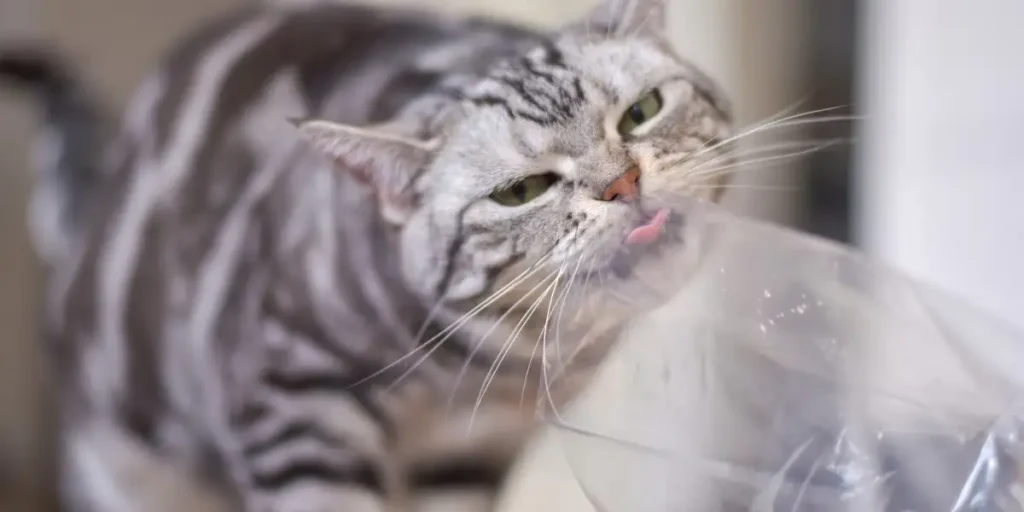
1. Is Biting Plastic Bags Just Normal Playfulness?
First, distinguish between harmless play and abnormal behavior. Kittens and energetic adult cats that occasionally bat or gently chew plastic bags and walk away afterward, with normal appetite, energy and bowel movements, are simply following curiosity and hunting instincts. This is temporary playful behavior.
However, if your cat fixates constantly on plastic bags, tears aggressively, actively swallows plastic fragments or searches everywhere for bags while ignoring other toys, this is more than naughtiness. Excessive chewing may signal sensory dependence, anxiety, pica, nutritional deficiencies or gastrointestinal discomfort. You need to identify the root cause and intervene promptly.
2. Common Mistakes When Stopping Cats From Chewing Plastic
Many common solutions make the problem worse. Shouting loudly or hitting your cat on the spot creates fear or defiance, so the cat will chew secretly later. Simply putting plastic bags away without providing alternative toys leads cats to target tissues, wrapping paper and tape instead.
Some owners give human snacks or hard bones to soothe teething discomfort, which brings new health hazards. People often overlook risks when cats chew thin soft plastic, thinking minor bites are harmless. Attempting to induce vomiting after plastic ingestion incorrectly can damage the esophagus. In multi-cat homes, disciplining only one cat fails to stop copying behavior, resulting in a group chewing habit.
3. Severe Life-Threatening Risks of Long-Term Plastic Chewing
Plastic cannot be digested by a cat’s digestive system. Small fragments can scratch the esophagus, stomach and intestines, causing vomiting, bloody stool and gastrointestinal inflammation. Large pieces or thin plastic films easily cause intestinal blockage, a critical emergency. Affected cats cannot eat or defecate and suffer severe abdominal pain, which can be fatal without timely treatment.
Thin shopping bags may wrap around a cat’s head and cover its nose and mouth, leading to suffocation. Ink, adhesive residues, food grease and cleaning agents on plastic bags cause chronic poisoning and mouth ulcers when licked or chewed. Cats with pica usually have severe nutritional imbalance and long-term mental stress, resulting in weight loss, low immunity and increased aggression.
4. Easy Home Tips to Divert and Correct the Behavior
Store all shopping bags, food packaging and plastic cords inside sealed cabinets or containers to limit access. When you catch your cat chewing, use squeaky toys or wands to gently redirect its attention instead of startling it.
Apply pet-safe bitter-tasting spray or anti-chew deterrent on remaining plastic items; cats dislike the bitter flavor and will lose interest. Place rubber chew toys and soft fabric toys nearby to satisfy chewing urges safely. Keep a simple record of chewing frequency and timing to tell boredom apart from compulsive pica.
5. Links Between Chewing Habits and Cat Age & Body Condition
Kittens aged 3 months to 1 year go through teething. Sore and itchy gums, together with strong curiosity and hunting drive, make them the most likely to chew plastic bags. Most kittens outgrow this habit with proper guidance.
Cats aged 1 to 7 years have mature temperaments and rarely chew foreign objects regularly. Sudden obsession with plastic usually stems from stress, boredom or poor nutrition.
Senior cats over 7 years old experience declining senses and cognitive function, and some chew objects unconsciously. Their weaker digestive systems mean plastic ingestion poses much higher risks and requires extra supervision. Underweight, picky eaters and malnourished cats are far more prone to pica and persistent chewing.
6. Breed Differences in Chewing Preferences and Behaviors
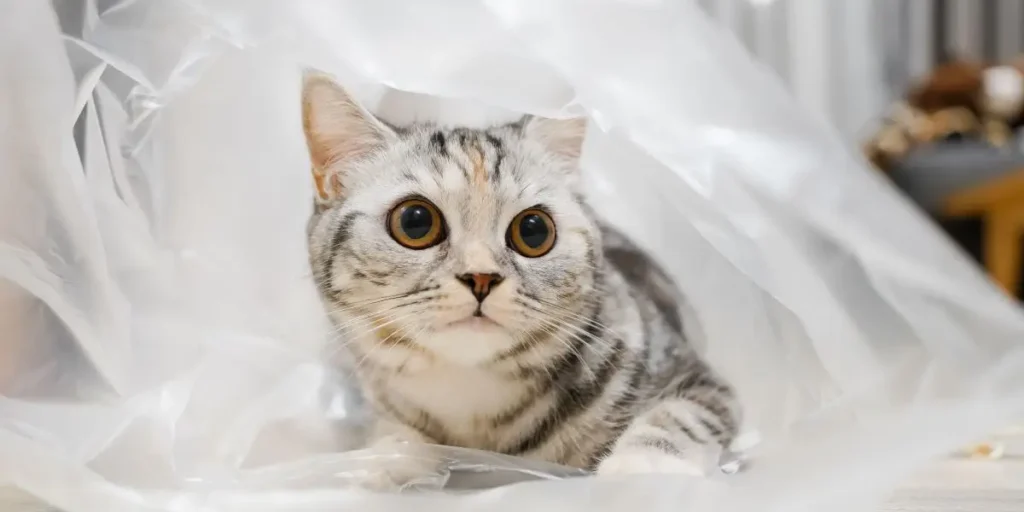
Active breeds with strong hunting instincts such as American Shorthairs, Siamese and Bengals love tearing noisy, flexible plastic bags for play.
Gentle, laid-back long-haired breeds like Ragdolls and Persians rarely chew foreign items actively. Most only sniff or explore out of curiosity and seldom swallow pieces.
Short-legged breeds including Scottish Folds and Munchkins have limited activity and often chew plastic to kill time. Domestic mixed cats adapt well to environments; frequent chewing in mixed breeds usually relates to nutrition or stress. All breeds tend to chew more during the teething stage.
7. How Seasonal & Environmental Changes Affect This Habit
Fluctuating temperatures in spring and autumn weaken immunity. Some cats become irritable and chew more. Meanwhile, more online shopping and daily purchases bring extra plastic packaging around the house.
Cats stay alone for longer periods in long summer days and often chew bags to relieve boredom. In cold winter, limited indoor space leaves excess energy unspent, so cats turn to plastic items for entertainment.
Moving home, new furniture, long hours alone at home and frequent guests cause anxiety. Repetitive chewing acts as a stress reliever, making the habit more frequent.
8. How to Manage Group Chewing in Multi-Cat Households
Cats learn quickly from each other. Once one cat starts chewing plastic bags, others will copy and form a group habit. Fully clear all plastic items indoors to cut off access, instead of disciplining individual cats only.
Provide separate chew toys and interactive toys for every cat to avoid resource competition. Feed cats separately and maintain balanced nutrition to lower the risk of group pica.
Tell playful chewing apart from unhealthy pica: cats that only bat bags without swallowing mainly need more games and activities. If multiple cats actively tear and swallow plastic, they likely suffer from nutritional deficiency or collective anxiety. Adjust diet and living environment immediately. Regularly check each cat’s appetite and defecation for signs of digestive trouble after ingestion.
9. Full Guide: Causes, Corrections & Safe Replacement Solutions
Four Main Reasons Why Cats Bite Plastic Bags
1. Natural Instincts & Physical Needs (Normal Behavior, Focus on Redirection)
- Hunting and play drive: Rustling sound and flexible texture of plastic bags mimic small prey, triggering cats’ natural hunting instinct. Chewing and pawing bags become simulated hunting games.
- Teething discomfort: Kittens aged 3 to 6 months have sore, swollen gums while baby teeth fall out and adult teeth grow. They chew flexible materials to ease irritation.
2. Attraction to Scents and Texture (Acquired Habit)
Food packaging retains grease and food smells, which appeal strongly to cats’ sensitive noses. Certain plastic textures and tastes also create long-term sensory dependence.
3. Emotional and Psychological Needs (Behavioral Issue)
Long loneliness, limited toys and lack of interaction leave cats bored and depressed. Chewing plastic helps them kill time and release energy. When frightened or stressed by environmental changes, repetitive chewing calms their mood, just like stress relief habits in humans.
4. Underlying Health Issues (High Risk, Requires Vet Care)
- Pica: Caused by lack of minerals, vitamins and trace elements due to monotonous diet. Typical signs include eating plastic, paper, fur and wall materials.
- Gastrointestinal problems: Acid reflux, intestinal parasites and stomach discomfort make cats chew objects instinctively to soothe irritation, usually accompanied by vomiting, loose stool and low energy.
Targeted Correction Methods & Safe Alternatives
Case 1: Playfulness and Curiosity (For All Ages)
Store all plastic bags, courier bags and plastic cords in fully closed storage. Offer squeaky toys, elastic balls, fabric mice and feather wands to satisfy hunting desires. Set aside 1 to 2 play sessions daily to burn extra energy.
Case 2: Teething in Kittens
Provide pet-specific chew sticks, rubber teething rings and freeze-dried treats. These safe options relieve gum itch without health risks. Check kittens’ mouth condition regularly and gradually reduce chewing behavior after teething ends. Never use plastic bags as teething tools.
Case 3: Habitual Chewing From Scents or Texture
Thoroughly remove food residues from packaging and avoid leaving scented plastic bags out. Apply pet bitter spray on frequently chewed items to break the habit. Rotate different toys to shift your cat’s focus.
Case 4: Chewing Caused by Boredom or Anxiety
Enrich the living space with cat trees, tunnels and puzzle feeders. Add hiding boxes to increase security. Minimize major environmental changes and spend more time accompanying your cat. Automatic interactive toys are recommended for cats left alone for long hours.
Case 5: Pica or Gastrointestinal Disorders (Veterinary Visit + Diet Adjustment)
Take your cat for blood tests and fecal exams to check for parasites, nutritional deficiencies and stomach diseases. Switch to high-quality balanced cat food and add pet trace element supplements and multivitamins. Keep cats strictly away from plastic and foreign objects. Follow veterinary medication plans and attend regular rechecks.
General Home Safety Rules
Develop the habit of putting plastic items away immediately. Stick to three core principles: remove dangerous objects, provide safe toys and increase companionship and play. If you witness plastic ingestion, monitor your cat closely. Seek emergency veterinary treatment right away once vomiting, bloating or loss of appetite appears. Do not induce vomiting or give laxatives without professional guidance.
10. Frequently Asked Questions About Cats Chewing Foreign Objects
Q: My cat only plays with plastic bags and never swallows pieces. Do I still need to stop it?
A: Yes. Tiny fragments may be swallowed accidentally during play. Plastic bags can also cover the cat’s face and cause choking. Early correction is always necessary.
Q: Can I use tape to wrap plastic bags and stop chewing?
A: Not recommended. Tape is another dangerous foreign object. Cats may chew and swallow tape pieces, and sticky residue can tangle fur and irritate the mouth. The safest way is to store plastic bags completely out of reach.
Q: Does chewing plastic bags mean my cat lacks nutrients?
A: Not always. Pawing and playing usually come from natural instinct and boredom. If the cat actively swallows plastic, paper or wall debris, it is likely pica, which requires supplements and a vet checkup.
Q: What are safe alternatives for teething kittens besides chew toys?
A: Dried meat strips, pet freeze-dried snacks and soft cotton toys are great choices. They are gentle on gums and hard to break into swallowable pieces.
Q: What should I do if my cat accidentally swallows a small piece of plastic?
A: Observe your cat for 24 to 48 hours. Check if the plastic passes out in stool and watch for vomiting or lethargy. Visit a vet immediately if any abnormal symptoms occur.