Why Is Your Dog Suddenly Extra Clingy? Understanding Separation Anxiety & Mood Changes

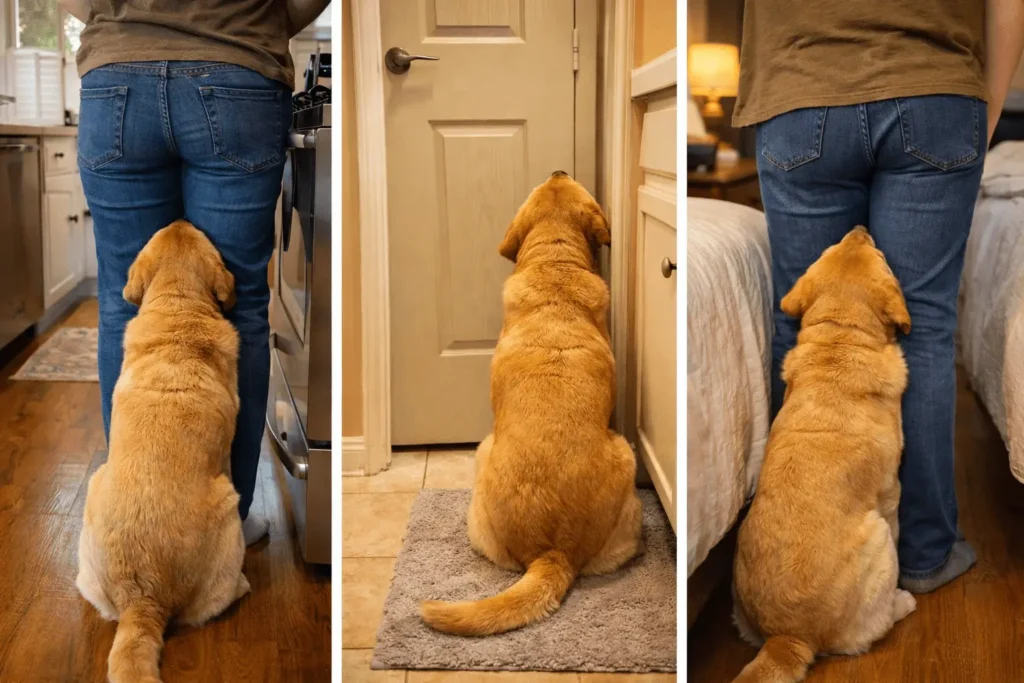
Many dog owners notice a dramatic shift in their pet’s personality. A once independent dog starts following you everywhere — into the bathroom, while you clean, and even sleeps right beside you. It grows restless and whines whenever you step away. While this behavior may seem cute and affectionate, sudden clinginess is often more than just wanting attention. It can signal mood swings, physical discomfort, environmental stress or separation anxiety. Left unaddressed, it may lead to excessive barking, destructive chewing and house soiling.
Combining pet behavior science and veterinary expertise, this guide differentiates normal affection from problematic clinginess. We cover common causes, owner mistakes, potential risks, easy at-home assessments and practical solutions. Learn to read your dog’s emotions and provide proper guidance.

1. Does Clinginess Always Mean Mental or Health Issues?
First, tell normal attachment apart from abnormal clinginess. Dogs naturally bond with their owners. Occasional snuggling, gentle following and affectionate behavior are signs of trust and love. If your dog stays calm while alone, maintains regular eating, sleeping and potty habits, this is healthy affection and requires no intervention.
If your dog suddenly sticks closely all day, refuses to stay alone, and reacts with whining, pacing, scratching doors, panting or drooling whenever you leave, it is displaying abnormal behavior. Additional red flags include accidents indoors, furniture chewing, low energy and loss of appetite. These signs usually point to emotional distress, physical pain, environmental triggers or separation anxiety that need timely attention.
2. Common Mistakes When Dealing With a Suddenly Clingy Dog
Many owners respond incorrectly and make the problem worse. Some indulge the behavior completely with constant cuddling and attention. This reinforces the idea that staying near you equals safety, gradually worsening separation anxiety.
Others react with frustration, pushing, scolding or punishment. This increases fear and insecurity, making the dog cling even harder and breaking mutual trust.
A common oversight is dismissing clinginess as simple timidity while ignoring underlying pain or illness. Delayed medical checks can allow health conditions to progress.
Frequent changes to daily routines, living spaces or schedules also keep the dog stressed and turn temporary clinginess into a permanent habit.
3. Behavioral & Emotional Risks of Long-Term Excessive Clinginess
Short-term clinginess usually comes with heightened sensitivity and fear when separated. Over time, severe separation anxiety develops. Dogs may bark or howl nonstop while alone, damage furniture and belongings, or have stress-induced accidents indoors.
Chronic emotional stress disrupts hormone balance and weakens immunity, leading to appetite issues, weight loss, excessive shedding and recurring skin problems. Some dogs become overly timid, wary of strangers and loud noises, and may even show aggression.
Extreme dependency limits a dog’s social skills and ability to adapt independently, making future training much harder. If clinginess stems from physical pain, delaying treatment will worsen the original health condition.
4. Quick At-Home Calming & Behavior Guidance Tips
Stay calm and avoid reacting impatiently. Offer gentle petting for short comfort, but refrain from over-coddling. Practice brief distance training: step a little farther away in the same room. Reward your dog with treats and praise when it stays calm, helping it get used to being apart gradually.
Provide puzzle feeders, durable chew toys and sniff mats to keep your dog occupied and encourage independent play. Identify and remove stress triggers such as loud noises, bright lights, strange smells or unfamiliar visitors.
Check your dog’s overall condition carefully. Gently touch its body to see if it flinches, growls or shows signs of soreness. Record when the clingy behavior started and what situations trigger it. Stick to a fixed schedule for meals, walks, play and rest to stabilize its mood.
5. Clingy Behavior Linked to Dog Age & Body Condition
Puppies (3 months to 1 year): Recently separated from their mother and littermates, puppies feel insecure in new environments. They naturally follow owners closely. Sudden clinginess often occurs after scares or moving to a new home. With proper guidance, this habit is easy to correct.
Adult dogs (1 to 7 years): Their personality is generally stable. A sudden shift toward clinginess usually results from environmental changes, emotional upset or hidden physical pain. Dogs left alone for long hours also grow overly attached due to loneliness.
Senior dogs (7 years and older): Declining eyesight, hearing and mobility make older dogs feel vulnerable. Joint pain and age-related illnesses also drive them to stay close for comfort and protection. Clinginess in senior dogs tends to be persistent.
Overweight and inactive dogs rely more on human company. Underweight or frail dogs are often timid and prone to excessive attachment as well.
6. Breed Differences in Attachment Tendencies
Companion breeds: Poodles, Bichon Frises, Pomeranians, Corgis and French Bulldogs are naturally affectionate. They quickly become overly clingy when lacking company or feeling stressed, and are among the most prone to separation anxiety.
Large family breeds: Golden Retrievers, Labradors, Samoyeds and Border Collies are friendly and usually independent. Sudden clinginess often follows long neglect or major life changes, accompanied by low spirits.
Guard breeds: Naturally alert and cautious. Unusual attachment typically means they sense a threat or are unwell.
Independent breeds: Shiba Inus, Huskies and Alaskan Malamutes normally keep to themselves. Any sudden clinginess strongly indicates physical discomfort, emotional stress or environmental trouble and requires thorough checks.
7. How Seasonal & Environmental Changes Affect Mood & Clinginess
Spring: More outdoor noise, crowds and fireworks easily scare timid dogs. Hormonal changes during mating season also cause mood swings and unusual behavior.
Summer: Thunderstorms and strong winds are common fear triggers. Hot weather can make dogs irritable and more dependent for comfort.
Autumn: Temperature fluctuations may worsen joint and respiratory discomfort. Changing scenery and wind sounds also unsettle sensitive dogs.
Winter: Shorter daylight and cold weather reduce outdoor activity. Longer indoor alone time increases loneliness. Closed rooms amplify outside noises and raise stress levels.
Major life changes such as moving, home renovations, new family members, returning from boarding or dramatic schedule shifts are major causes of sudden clinginess year-round.
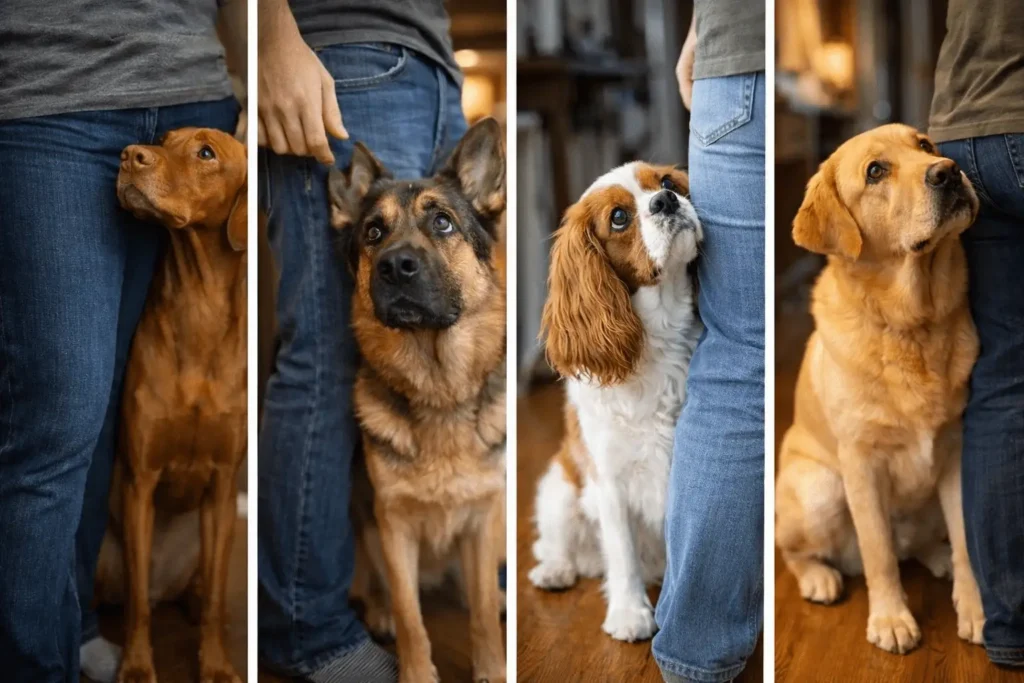
8. Managing Group Clinginess & Dependency in Multi-Dog Households
Dogs easily pick up emotions and habits from one another. If one dog becomes clingy or anxious, the whole group may follow. First, locate and remove shared stress sources like loud noise or strangers.
Provide separate resting areas and toys to prevent excessive grouping and mutual dependency. Carry out short individual training and play sessions to build independence in each dog.
If all dogs act clingy and nervous at the same time, the cause is usually environmental stress. If only one dog shows unusual behavior, focus on its individual health or emotional issues.
Avoid spoiling the entire pack. Apply consistent short-separation training with rewards to help them grow more confident alone. Monitor every dog’s appetite and energy daily so no health problem goes unnoticed.
9. Full Analysis: Causes & Targeted Solutions for Sudden Clinginess
Sudden clinginess falls into four main categories: mental and emotional issues, physical health problems, environmental stress and lifestyle changes. Below are detailed causes, signs and solutions.
Reason 1: Separation Anxiety (Most Common Mental Issue)
Past abandonment, poor boarding experiences or being left alone too often make dogs fear separation. They stick closely to you out of worry you may leave again. Signs: Restlessness when you grab keys or shoes; barking, chewing or indoor accidents while alone; tense body posture in solitude. Solutions: Practice gradual separation training. Start with small distances inside the room, then short periods behind a closed door. Reward calm behavior. Keep departures low-key without long goodbyes. Leave toys or background sound to ease loneliness. For severe cases, consult a professional dog behaviorist or use vet-recommended calming aids.
Reason 2: Physical Discomfort & Pain (Health Warning)
Dogs cannot speak when hurt. Those suffering from joint pain, digestive issues, wounds, itchy skin or internal illness naturally stay close to their owner for comfort and protection. Signs: Clinginess plus low energy, reluctance to move, flinching when touched, loss of appetite, vomiting, limping or constant scratching. Solutions: Examine the dog’s body, paws, ears and mouth thoroughly. Monitor eating and bowel movements. Seek veterinary care immediately if symptoms persist. Clinginess will ease once health improves.
Reason 3: Fear & Loss of Security (External Stress)
Loud thunder, fireworks, construction noise, intimidating strangers, attacks by other animals or getting lost can leave dogs terrified. They feel safe only beside their owner. Signs: Trembling, tucked tail, flattened ears and hesitation to be alone; running to you at the first unfamiliar sound. Solutions: Offer gentle comfort without forcing the dog into scary situations. Create a quiet safe corner indoors. Close curtains and play soft music during storms or fireworks. Limit exposure to stressors temporarily and rebuild confidence slowly.
Reason 4: Sudden Lifestyle & Environment Changes (Adaptation Stress)
Moving home, renovations, new pets or children, changed walking times or your return after a long trip disrupt routine and cause anxiety. Signs: Constant following, cautious body language and disturbed daily rhythms in the new setting. Solutions: Keep familiar beds, toys and items with old scents. Maintain original feeding and walking schedules. Use treats and games to encourage exploration. Never force the dog to approach unfamiliar things.
Reason 5: Boredom & Loneliness (Habit Issue)
Increased attention recently or long periods of neglect make dogs crave constant company. They stick to you for play and interaction. Signs: Playful behavior, nudging your hand or carrying toys to invite fun; no panic or whining when left alone. Solutions: Balance companionship and alone time. Offer a variety of toys for independent play. Increase daily walks and activities to burn excess energy and reduce over-dependency.
Reason 6: Hormonal Changes During Heat Cycles (Physiological Shift)
Unspayed female dogs and intact male dogs experience dramatic hormone fluctuations during mating season, leading to sensitivity, irritability and clinginess. Signs: Restlessness at night, frequent looking outdoors, mood swings; females have discharge, while males mark territory indoors. Solutions: Supervise closely at home and limit unsupervised outdoor trips. Arrange calm activities to soothe mood. If you do not plan breeding, consider spaying or neutering after the heat cycle to prevent recurring emotional instability.
General Daily Prevention Plan
- Stable routine: Stick to fixed times for meals, walks, play and sleep to build security.
- Balanced companionship: Give adequate attention without over-coddling.
- Early desensitization: Train puppies to stay alone briefly from a young age to prevent anxiety.
- Safe environment: Minimize sudden loud noises and frequent changes. Comfort dogs during storms or fireworks.
- Regular health care: Keep up with vaccinations, parasite control and checkups to catch illness early.
- Enrichment: Use puzzle toys and increase socialization and exercise to fight boredom.
10. FAQs About Dog Emotion & Attachment Behavior
Q: My dog follows me around but eats, plays and acts normally. Do I need to correct this?
A: No major correction is needed. It is natural affection. Practice occasional short-distance separation to prevent excessive dependency later.
Q: My dog is independent outdoors but clingy at home. Why?
A: It usually gets bored indoors and looks to you for fun. Add more interactive toys to enrich its home life.
Q: Can separation anxiety be fully cured?
A: Mild cases can be greatly improved or resolved with consistent training and environmental adjustments. Severe anxiety requires long-term patience and professional guidance to reduce symptoms significantly.
Q: Is sudden clinginess normal for senior dogs?
A: It is common due to weakened senses and age-related discomfort. First complete a full health check, then provide extra care and company. Do not force strict correction.
Q: Is locking a dog in a room alone a good way to train independence?
A: No. Sudden isolation increases fear and anxiety. Use gradual training combined with rewards for better results.
Q: My dog barks and chews while I am at work. Is this always separation anxiety?
A: Most likely yes. It can also stem from excess energy or boredom. Increase exercise and leave engaging toys first. Seek anxiety intervention if no improvement.